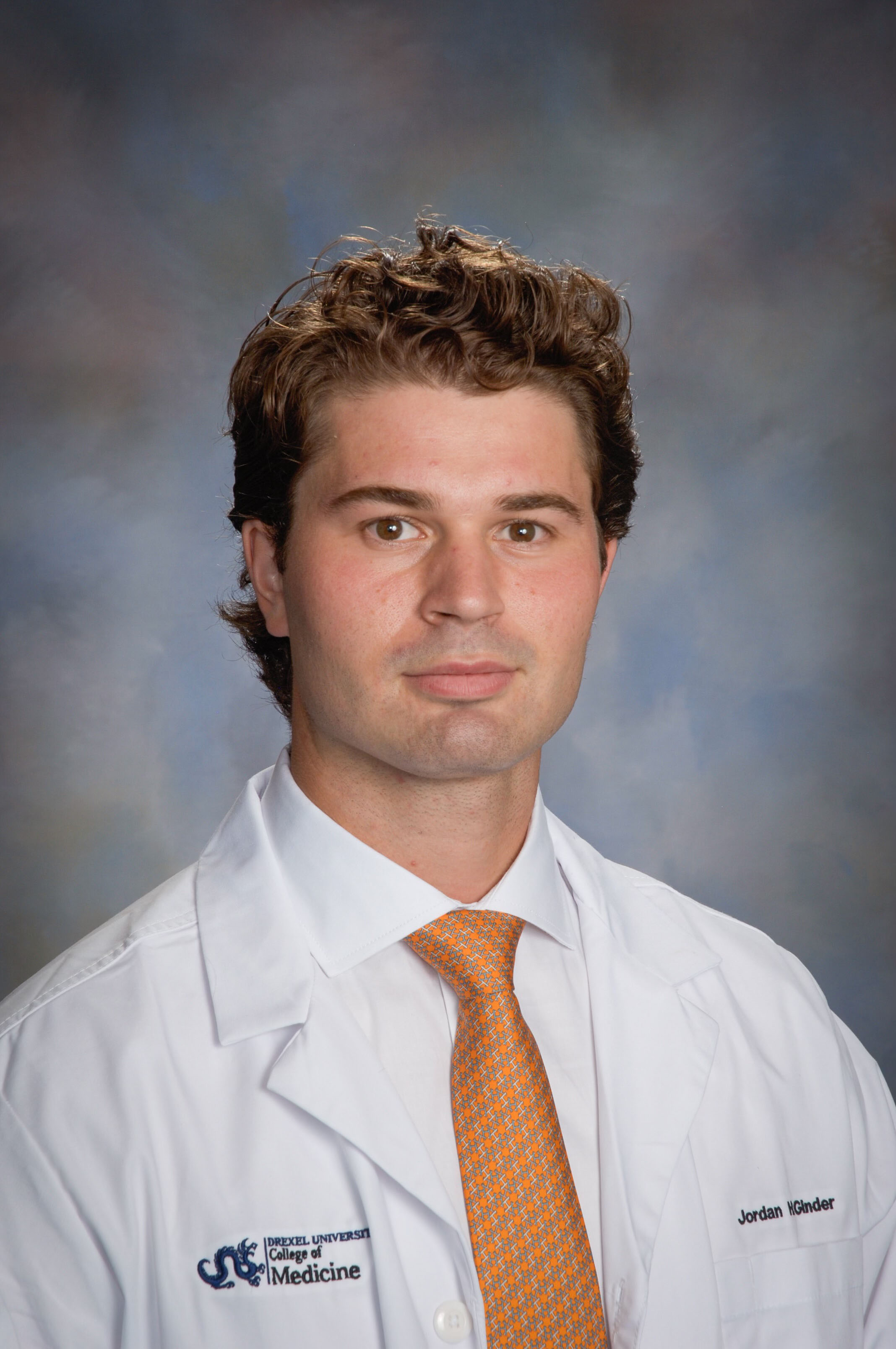
Hometown: New York City, New York
Undergraduate: Duke University
Academic Interest: Orthopedic Surgery
What initially sparked your interest in your field of study?
I've always enjoyed helping others and solving complex problems, which naturally drew me toward medicine. As I gained more exposure to different specialties, I became especially interested in orthopedic surgery because it combines critical thinking, technical skills and the opportunity to make an immediate impact on a patient's quality of life. Whether it's helping an athlete return to competition or enabling someone to regain independence after an injury, orthopedic surgeons can see the direct results of their work.
I've also been fortunate to have incredible mentors throughout my journey, particularly in orthopedics. They not only taught me the science and surgical principles behind the field but also demonstrated the importance of compassion, communication and putting patients first. Through research and clinical experiences, I saw how innovation and evidence-based medicine can improve outcomes and advance the specialty. Those experiences confirmed that medicine, and orthopedic surgery in particular, is the career where I can combine my passion for helping others, solving challenging problems and building lasting relationships with patients.
How did your background prepare you for the MD program at Drexel?
My time at Duke University prepared me for medical school in countless ways. Being a Division I lacrosse player while managing a rigorous academic workload taught me how to balance competing priorities. Every day required careful time management, whether it was early morning workouts, practices, travel, studying or research. Those experiences taught me how to perform under pressure and stay focused even when the demands were high.
Just as importantly, playing Division I athletics taught me the value of being a great teammate. Success wasn't about individual accomplishments; it was about trusting the people around you, communicating effectively, supporting one another and working toward a common goal. Those lessons translate directly to medicine, where patient care depends on strong teamwork among physicians, nurses, therapists and countless other healthcare professionals.
Outside of athletics, I was involved in orthopedic research, where I learned the importance of collaboration, critical thinking and evidence-based medicine. Combining academics, athletics and research gave me the skills to succeed in the fast-paced environment at Drexel and helped me develop habits that continue to serve me well during my clinical training.
Do you have any research stories or volunteer stories from your time at Drexel that you are particularly proud of?
One of the experiences I'm most proud of has been working closely with Dr. Ilyas. This year alone, we've collaborated on five research publications, and he has been an incredible mentor throughout my medical school journey. Beyond research, he has taught me what it means to be an outstanding physician, educator and leader. His mentorship has played a significant role in shaping my interest in orthopedic surgery.
Another unforgettable experience was spending a week in Vail, Colorado, with the orthopedic medical staff caring for the U.S. Olympic Men's Ski Team. It was an incredible opportunity to observe the care of elite athletes and learn from physicians, athletic trainers, and therapists working together in a high-performance environment. Watching how they evaluated injuries, managed recovery and helped athletes safely return to competition further strengthened my passion for orthopedic surgery and reinforced the importance of teamwork in delivering exceptional patient care.
How has your experience at Drexel shaped your career aspirations? What are your next steps professionally and/or academically?
My experience at Drexel has solidified my passion for orthopedic surgery. Through clinical rotations, research and incredible mentorship, I've found a specialty that perfectly combines my interests in problem-solving, teamwork, innovation and helping patients restore their function and quality of life. Every experience has reinforced that this is the career I want to pursue.
As I continue through my third year, my goal is to become the strongest orthopedic surgery residency applicant I can be. I'm committed to continuing meaningful research, developing my clinical and surgical skills, and taking advantage of every opportunity to learn.
I've also been incredibly fortunate to be mentored by physicians who have had a profound impact on my journey, including Dr. Daniel Osei [MD, MSc, Hospital for Special Surgery], Dr. Brian Lau [MD, Duke Orthopedics], Dr. Andrew Hecht [MD, Mount Sinai], Dr. Alexander Vaccaro [MD, PhD, MBA, Rothman Orthopedics], and Dr. Ilyas. They have each invested their time, guidance and belief in me, and I hope to emulate the kind of physicians they are. They are exceptional surgeons, but more importantly, they are compassionate mentors, leaders and role models. My goal is not only to become an outstanding orthopedic surgeon but also to one day provide the same mentorship and support to future medical students and residents that they have provided to me.
What is your relationship with the faculty like?
I have tremendous respect and appreciation for the faculty at Drexel. From the incredible staff in the anatomy lab, who made one of the most challenging parts of medical school an engaging and supportive experience, to professors like Dr. Strochlic, I've been fortunate to learn from faculty who are deeply invested in their students' success. The faculty at Drexel have always been approachable, supportive and genuinely committed to helping students grow — not just academically, but personally and professionally. Their mentorship has had a lasting impact on my medical education and the physician I hope to become.
How do you balance your MD studies with Olympic lacrosse training?
I've played lacrosse for most of my life, and it has been one of the biggest influences on who I am. I'm extremely competitive and have always loved being part of a team that's working toward a common goal. The opportunity to pursue Olympic training with Team Israel has been an incredible honor. Representing something larger than myself while competing at the highest level is both humbling and motivating. It's given me another chance to challenge myself and continue growing as an athlete. Balancing that pursuit with medical school has reinforced the importance of commitment, teamwork and always striving to be the best version of myself.
Medicine is, and always will be, my number one priority. Everything else in my life is scheduled around my responsibilities as a medical student. Pursuing Olympic lacrosse requires exceptional time management, organization and discipline. Many of my days begin early so I can train before heading to the hospital or to class, and I've learned to make every hour count. Careful planning allows me to stay fully committed to my education while continuing to pursue a lifelong athletic goal.
I believe the experiences I've gained through lacrosse are helping shape me into a better physician. The leadership skills and work ethic I've developed as an athlete have strengthened the way I approach medical school, and I know those lessons will continue to benefit me throughout my career. While medicine remains my primary focus, pursuing excellence in lacrosse has made me a more well-rounded person and will ultimately help me provide better care for my patients.
What advice would you give to students just starting out at Drexel who are trying to balance passions with a rigorous MD schedule?

My biggest piece of advice is to remember that you don't have to do it all alone. Drexel has incredible resources, whether it's faculty mentors, upperclassmen, advisors, classmates or student organizations. Take advantage of those opportunities early. Ask questions, seek guidance and don't be afraid to lean on the people around you. Some of the best advice I've received has come from mentors and fellow students who had already been through the challenges I was facing.
Medical school is demanding, and there will always be moments when balancing everything feels difficult. Focus on doing your best every day rather than striving for perfection. Stay organized, manage your time well and be intentional about how you spend your energy. If you're passionate about research, athletics, volunteering or another interest, don't feel like you have to give it up. Those experiences can make you a more well-rounded person and ultimately a better physician.
I'm incredibly grateful for the unwavering support of my family, especially my parents and grandparents. They've always encouraged me to work hard, pursue my passions and become the best physician I can be.