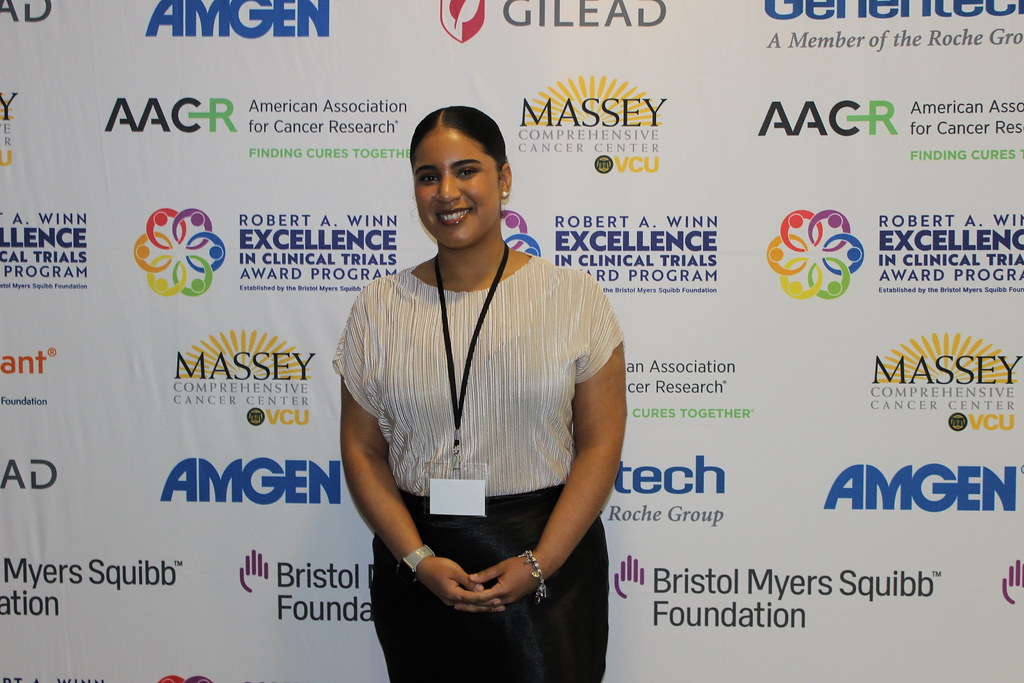
Reflections on My Journey to Medical School: Hayley Estrella
By Hayley Estrella
May 2026
Growing up in the Bronx as a first-generation Dominican American shaped how I see the world, how I learn, and ultimately why I want to be a doctor. There were times I questioned if I belonged in these spaces. Those moments were tough, but they taught me resilience, the value of trusting myself, and the importance of leaning on my support system.
The path to medicine has not been easy. School came naturally growing up, but college brought challenges that made me doubt myself. Imposter syndrome and self-doubt crept in, and I wondered if medicine was even possible for someone like me. After graduation, I took a step back, reflected, and made intentional choices. Post-baccalaureate coursework, hands-on clinical research, and completing Drexel’s DPMS program helped me rebuild confidence and reminded me that setbacks are not failures, and that each person’s path to success can unfold at its own pace.
Before medical school, I spent nearly eight years working in clinical research. That work gave me skills, purpose, and more clarity about why I wanted to pursue medicine. I also learned how representation and trust impact patient participation. Many patients from my community were hesitant to join trials because of medical mistrust, and I saw firsthand how empathy, clear communication, and cultural sensitivity could make a real difference. It further reinforced that cultural competency is not just about research but also carries over into patient care.
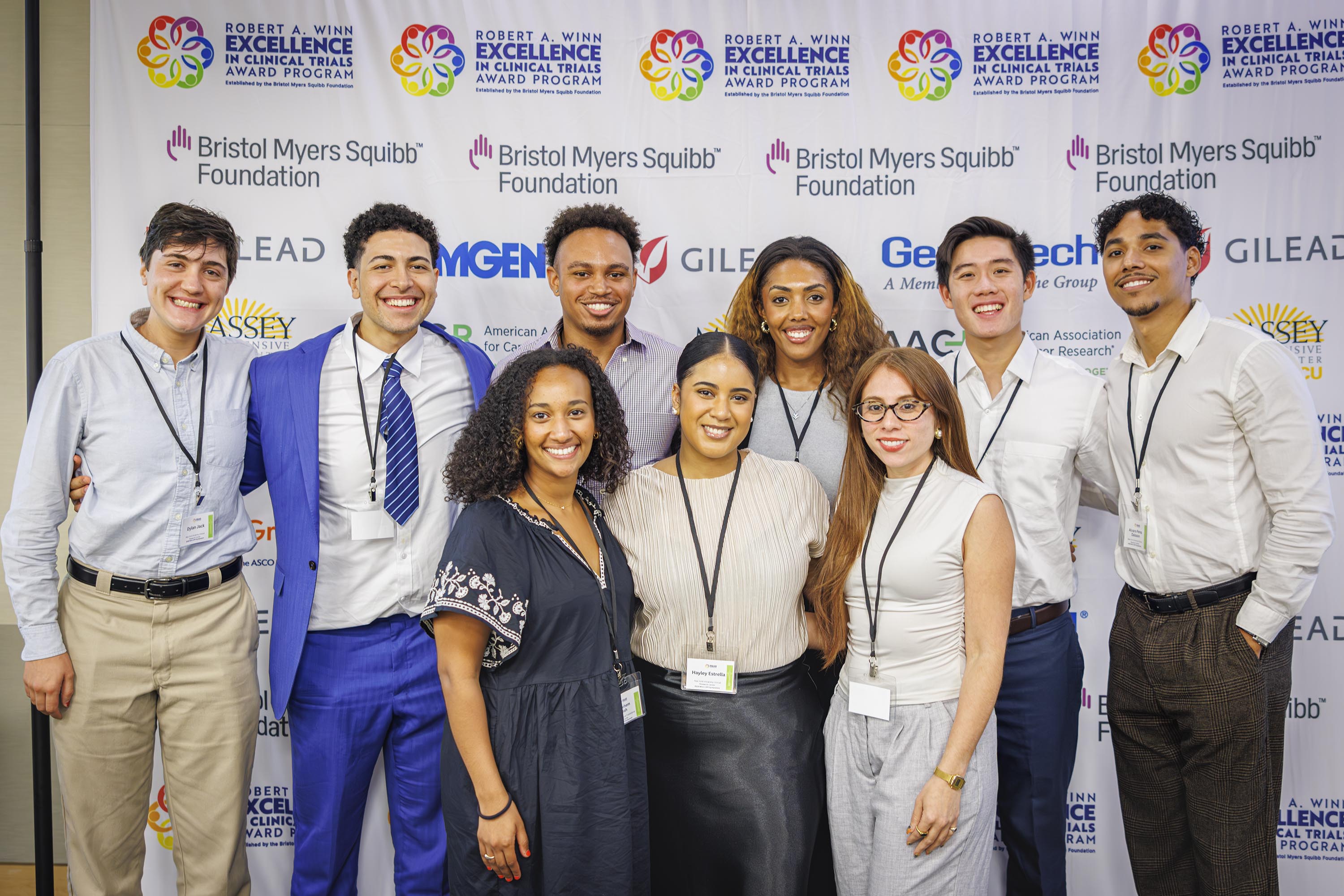
This past summer, after my first year of medical school, I returned to New York through the Winn Clinical Investigator Pathway Program (Winn CIPP). The program let me combine my passions: research and community engagement. I worked on two projects: assessing the role of community health workers in trial recruitment and designing survey tools for REDI-STEPP, a program that introduces community college students to clinical and translational research. Through this work, I learned about structural barriers patients face, the impact of mentorship for underrepresented students, and the many ways physicians can contribute beyond direct patient care.
Programs like Winn CIPP are vital. They offer early, hands-on research experience, mentorship for students who might not otherwise see themselves in medicine, and a focus on understanding and addressing real community needs. It further reinforced that exposure, guidance, and support can open doors, and that is something that I am grateful for.
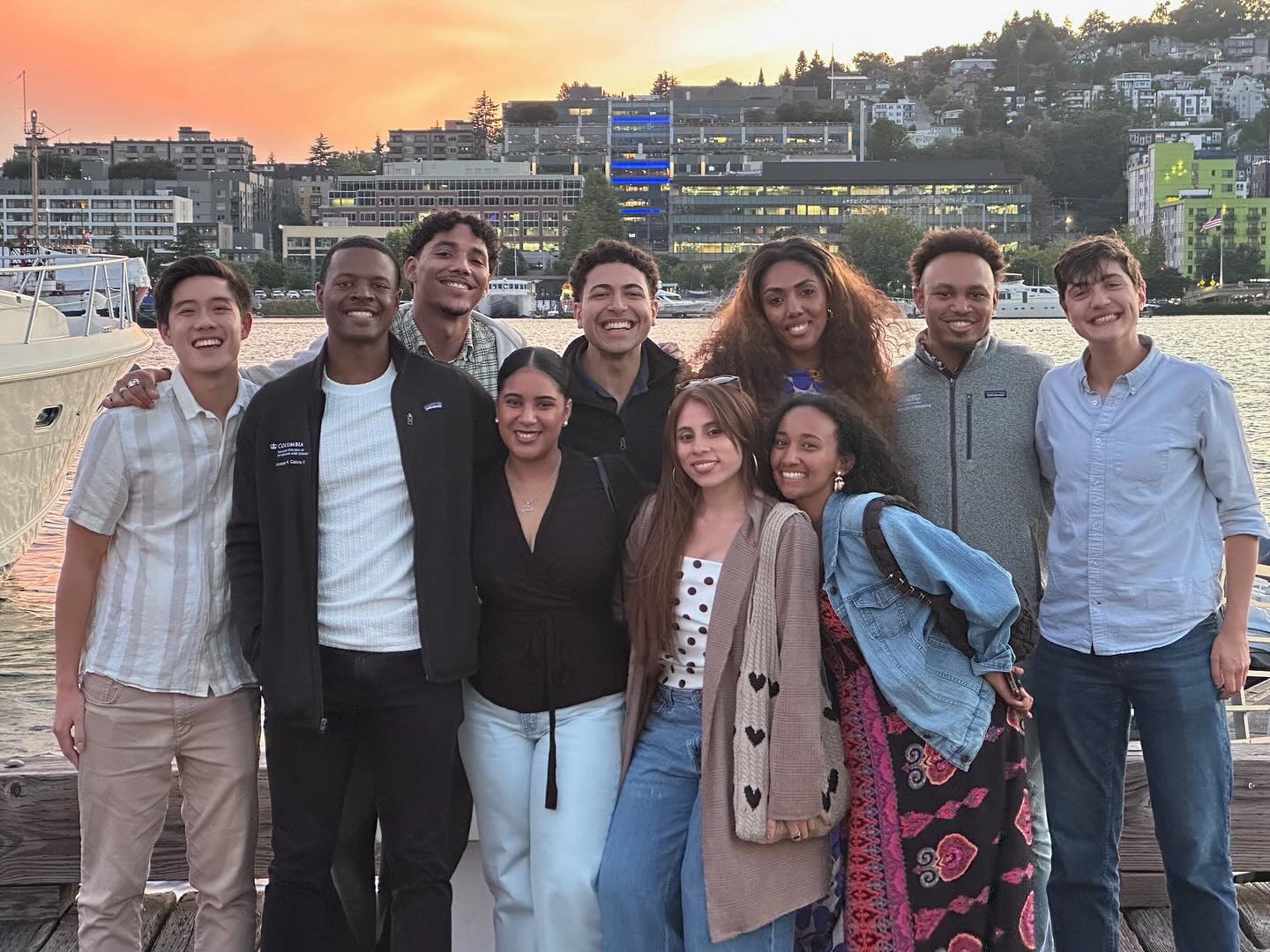
Reflecting on my journey, I see how my identity and experiences have shaped me. Growing up in the Bronx, being first-generation, facing imposter syndrome, and choosing to give myself a fair chance with support from loved ones has made me the person and future physician I am becoming. I am now able to see my story as a strength, and I hope it shows other students like me that it is possible to embrace their identity and pursue their goals despite the barriers they may face.
My summer with Winn CIPP did not just strengthen my research skills. It showed me the true power of mentorship, the lasting impact of community engagement, and why representation matters. It reminded me that medicine is not just about the work we do ourselves, but about empowering those around us; patients, students who may not yet see a future for themselves in this field, and those who will come after us.