Office of Research & Innovation Newsletter - Summer 2026

In this issue:
General
- Office of Research & Innovation Team Updates
- Advancing Drexel's Research Future: Leadership Transition and Launch of the Drexel Research Collaborative
- Prepare for the Novelution IRB Module Launch on August 17
- Novelution Q&A with Doug Stay, Assistant Vice Provost of Research Business Operations and Technology
- Update on Drexel Libraries APC Agreements
- Urban Health Collaborative Releases 2024–2025 Annual Report
- Highlighting DrexelNEWS Research Stories: DU Researchers Develop Novel "Nanotrap" Strategy to Fight HIV
Research Compliance & Regulatory Affairs
- ORI Guidance and Procedure Update
- Research Participant Payments: Change in Tax Reporting Threshold
- Clarification on Institutional Federal Research Security Training Requirements
- Important New Guideline Released: Responsible Use of AI in Research
- Responsible Conduct of Research (RCR) Face-to-Face Training Day
- Phlebotomy Training Opportunity
Sponsored Programs
- Federal Sponsor Updates
- Drexel Researchers Receive New Awards!
- Process Update: Non-FDP Modifications Transition to Contracts Team
- NSF Graduate Research Fellowship Program (GRFP): Record Number of Awards Announced
- 2026 CURE Formula Grant Program: Application Now Available!
- Celebrating Drexel's 2022–2023 CURE Formula Program Awardees
- Research Spotlight: Dr. Laura Gitlin Earns National Recognition
- Student Researchers Earn National Recognition and Competitive Awards
- Featured Research Success: Drexel FIRST Faculty Continue to Demonstrate Impact with New NIH Awards
Did You Know?
Other Research Training, Education, and Meeting Opportunities
- Participate in a Fulbright Interview Panel
- STEM Faculty: Participate in NSF GRFP Campus Review
- Save the Date: STAR Scholars Summer Showcase
Stay Connected with the Office of Research & Innovation!
An Introduction from Rose Ann DiMaria-Ghalili, Interim Associate Vice Provost for Research & Innovation
Welcome to the Summer 2026 edition of the Office of Research and Innovation newsletter.
Drexel's research enterprise continues to grow through the creativity, dedication, and impact of our faculty, students, and research staff. Across the Office of Research and Innovation (ORI), our teams remain committed to supporting this work by strengthening research infrastructure, advancing compliance and stewardship, and creating opportunities that help researchers thrive.
This summer marks several important milestones. In this issue, we highlight the launch of ORI-007, Drexel's new Responsible Use of Artificial Intelligence in Research [PDF] guideline, which provides a framework for the thoughtful and ethical integration of AI into the research process. We also share updates on Novelution, our new electronic research administration platform, including the launch of the IRB module on August 17. Together, these initiatives represent important investments in modernizing research administration and enhancing support for the Drexel research community.
I also want to thank the 145 faculty members who participated in ORI's survey on the proposed changes to the Office of Management and Budget's Uniform Guidance. Your feedback helped shape Drexel University's institutional response and will inform ongoing discussions with federal, state, and local policymakers through our Government and Community Relations colleagues. We remain committed to keeping the research community informed as the final changes are implemented and their impact on sponsored research activities becomes clearer.
I would like to close by recognizing a remarkable example of the long-term impact of investment in faculty development and mentorship. While the outcomes of innovative faculty recruitment and mentoring programs often take years to emerge, they powerfully demonstrate the value of sustained institutional commitment.
This summer, two Drexel FIRST faculty members received highly competitive NIH awards, underscoring the success of the Faculty Institutional Recruitment for Sustainable Transformation (FIRST) program and reaffirming the importance of building strong pathways for early-career investigators. These accomplishments reflect not only the achievements of the individual awardees but also the strength of Drexel's collaborative research environment and the dedication of the mentors, faculty leaders, and staff who support emerging scholars.
As we celebrate these successes and look ahead to the next chapter of Drexel's research enterprise, I would also like to recognize and thank Aleister Saunders for his extraordinary leadership and service to the Office of Research and Innovation and the broader University community. Through his vision, collaboration, and unwavering commitment to research excellence, Aleister helped strengthen Drexel's research infrastructure, advance innovation, guide transformative institutional initiatives, and position the University for continued growth and impact. We are grateful for his partnership, mentorship, and dedication, and we look forward to continuing to build upon the strong foundation he helped create.
As we continue to strengthen Drexel's research ecosystem through new initiatives and collaborative approaches, we are reminded that research excellence is built through sustained investment in people, partnerships, and innovative ideas. Thank you for all you do to advance Drexel's research mission and to improve lives through discovery, scholarship, and community engagement. I hope you enjoy this edition of the newsletter and wish you a productive and rewarding remainder of the summer.
Questions? Please email Rose Ann DiMaria-Ghalili, Interim Associate Vice Provost for Research & Innovation at rose.a.dimaria-ghalili@drexel.edu.
General
Office of Research & Innovation Team Updates
Sponsored Programs Team
As we re-envision research support at Drexel, the Office of Sponsored Programs (OSP) has undertaken a comprehensive review of its job descriptions to better align responsibilities, create consistency across roles, and support future growth.
We are pleased to announce the promotion of Jeri Nutter to the Director of the Grants Team. Jeri's leadership and dedication have been instrumental to the success of OSP, and we are excited to see her in this new role.
As part of this initiative, several position titles have been updated to better reflect the responsibilities of each role:
- Jeri Nutter – Director, Grants Team
- Scott Krefetz – Senior Grants Administrator
- Nancy Daverio – Senior Grants Administrator
- Rebecca Deeb – Grants Administrator
- Nicole Heard – Grants Administrator
- Preet Patel – Research Business Shared Services (RBSS) Coordinator (title unchanged)
These updates support our commitment to a more standardized organizational structure while enhancing career progression opportunities within OSP. Please join us in congratulating Jeri and recognizing the updated roles of our team members. We look forward to their continued contributions as we advance the goals of Drexel's research enterprise.
For inquiries about the Sponsored Programs team, please email Gia Boersema, Assistant Vice Provost, Sponsored Programs, at gia.d.boersema@drexel.edu.
Research Compliance & Regulatory Affairs Updates
Please join us in congratulating two members of Drexel's Human Research Protection Program team, Heidi Mitchel and Alex Vogel, on their recent promotions to Senior IRB Analyst!
Over the past several years in the Office of Research & Innovation, Heidi and Alex have demonstrated exceptional dedication to advancing the ethical and compliant conduct of research at Drexel. In their new roles, they will continue to apply their expertise to provide outstanding guidance and support to the University's research community.
- Heidi Mitchel, Senior IRB Analyst. Since joining the Office of Research & Innovation in 2023 as an IRB Analyst, Heidi Mitchel has consistently demonstrated professionalism, collaboration, and a commitment to supporting the research community. She brings over 14 years of experience in research compliance, including HRPP/IRB work and serving as the Lead Clinical Research Associate for the Department of Pediatric Hematology and Oncology, coordinating all Children's Oncology Group research studies.
Heidi holds a dual Bachelor of Arts in Psychology and Sociology and earned her Master of Social Work with a clinical concentration from the University of Missouri in 2021.
In her new role, Heidi will continue providing thoughtful guidance and fostering a collaborative environment that supports the Drexel research community. She is committed to creating a positive and efficient IRB submission experience while ensuring that research is conducted in accordance with applicable regulatory requirements and the highest standards of human research protections.
- Alex Vogel, Senior IRB Analyst. Alex joined the Office of Research and Innovation in November 2019 as an IRB Project Coordinator, and they have been serving in the IRB Analyst role since 2022. Their previous work experience included three years working at a contract research organization as a Quality Control Analyst where they conducted reviews of clinical data based on GLP standards before deliverables were sent to Sponsor pharmaceutical companies.
Since joining the Human Research Protections Program (HRPP) at Drexel University, Alex has been able to contribute his scientific and engineering background to IRB reviews of studies involving biomedical procedures and devices. Alex has also been valuable in mentoring new IRB staff with their experience in the office and keeping HRPP operational when there were changes in leadership.
Alex has previous education including a BS in Physics, a MS in Biomedical Engineering, and they are currently pursuing another MS in Bioinformatics at Drexel University. Alex is an alumnus of Drexel University where they obtained the MS in Biomedical Engineering from Drexel University in 2016.
Congratulations, Heidi and Alex, on this well-deserved achievement!
Open Positions
The Research Compliance & Regulatory Affairs team is hiring! The office is seeking candidates for two leadership positions: Director, Research Integrity & Conflict of Interest and Director, Export Control & Research Security. If you are interested in applying or know someone who may be a great fit, please submit applications through the Drexel Careers website.
The team has experienced several transitions over the past few months, as Lacee Harris, PhD, departed her role as Executive Director, Research Compliance, and Elan Mitchell-Gee concluded his service as Director of Research Security & Export Control. Please join us in thanking Lacee and Elan for their many contributions to Drexel and wishing them continued success in their future endeavors.
While the searches are underway, Sarah N. Archibald, Associate Vice Provost, Research Compliance & Regulatory Affairs, will manage the responsibilities associated with these roles. Please direct any questions or inquiries to Sarah via Microsoft Teams or by email at sarah.archibald@drexel.edu.
Questions? Please email the Office of Research & Innovation's HR team at ori_hr@drexel.edu.
Advancing Drexel's Research Future: Leadership Transition and Launch of the Drexel Research Collaborative
The following communication from President Antonio Merlo, PhD, and Executive Vice President and Nina Henderson Provost Paul E. Jensen, PhD, was recently shared with the Drexel community.
Dear Colleagues,
As Aleister Saunders, PhD, prepares to conclude his tenure as Interim Executive Dean of the Nick Howley College of Engineering and Computing, he has decided this is also the right time to transition leadership of the University's research enterprise, effective later this fall. Dr. Saunders will continue to serve as Executive Vice Provost, supporting leadership transitions in both the Howley College of Engineering and Computing and the Office of Research & Innovation, while serving as a trusted advisor to Provost Paul E. Jensen, PhD, on strategic institutional initiatives.
Throughout his career at Drexel, Dr. Saunders has provided exceptional direction in advancing the University's research enterprise, strengthening our culture of innovation and expanding Drexel's national reputation as a leading research institution. His vision and guidance were instrumental in Drexel achieving Carnegie R1 classification in 2018, an important milestone reaffirmed in 2022, and in positioning Drexel as a national leader in research and innovation. Also under his leadership, Drexel's commitment to research commercialization and real-world impact was recognized in 2020 when the University was ranked #1 in Innovation Impact among mid-sized U.S. universities.
As Executive Vice Provost for Research & Innovation, Dr. Saunders has overseen the strategic growth of Drexel's research enterprise, including research administration, compliance, grants management, technology commercialization and innovation initiatives. He helped establish transformative partnerships that strengthened Drexel's research ecosystem, including the Center for Functional Fabrics and the Pennsylvania Fabric Discovery Center, advanced collaborations with industry, and guided the University through an increasingly complex research landscape.
Most recently, Dr. Saunders accepted the responsibility of serving as Interim Executive Dean of the Howley College of Engineering and Computing during one of the most significant periods in Drexel's history. His appointment reflected his longstanding commitment in helping to shape the University's future through Academic Transformation, an initiative that grew from the University Advisory Committee on Academic Structure, which he co-chaired. He continued to refine the Academic Transformation recommendations through the feasibility study phase and worked closely with the Office of the Provost in the implementation design phase.
Working closely with faculty, professional staff and students across the former College of Engineering, the College of Computing & Informatics and the School of Biomedical Engineering, Science and Health Systems, Dr. Saunders helped guide the integration of these three academic units into a single college. Under his direction, the University established new academic and administrative structures and laid the foundation for a college that brings together engineering, computing and biomedical innovation to prepare students to lead in an increasingly interdisciplinary world. His collaborative leadership has helped position the Howley College of Engineering and Computing for long-term success as inaugural Dean Eunice E. Santos, PhD, assumes leadership on August 1.
Dr. Saunders' impact on Drexel extends far beyond any single role. We are profoundly grateful for his dedication to the University. Since joining Drexel in 2002, he has consistently demonstrated a deep commitment to advancing the University's mission through visionary leadership, collaboration and innovation.
Please join us in thanking Dr. Saunders for his extraordinary service and leadership, and in wishing him continued success as he begins this next chapter of service at Drexel.
Announcing the Drexel Research Collaborative
This transition comes at a time when we are reenvisioning research support at Drexel. The University is pleased to announce the formation of the Drexel Research Collaborative, a new presidential initiative designed to strengthen and elevate the University's externally sponsored research enterprise. At a time of rapid change in the federal research funding environment, the Collaborative represents a proactive investment in Drexel's future, creating a coordinated, scalable and responsive framework that supports faculty across the entire research lifecycle, from proposal development and compliance to financial management and post-award administration. By bringing together University leadership and Drexel's existing research support expertise, the Collaborative will enhance consistency, improve service delivery, increase transparency and position Drexel to compete more effectively for future research opportunities while maintaining the strengths and expertise that exist across our colleges, schools and administrative units
As the initiative enters its implementation planning phase, an advisory committee led by Dr. Saunders, Rose Ann DiMaria-Ghalili, PhD, professor and senior associate dean for research in the College of Nursing and Health Professions and interim associate vice provost for Research and Innovation, and Olimpia Meucci, MD, PhD, professor and chair of the Department of Pharmacology and Physiology in the College of Medicine, is currently working to develop the Collaborative's operational plan, organizational structure and staffing model. Their efforts will help define roles and responsibilities, identify opportunities for service alignment and resource optimization, and establish the foundation for successful implementation beginning in Fiscal Year 2027.
In parallel, Drexel will initiate a search for the inaugural leader of the Drexel Research Collaborative. The University is home to an extraordinary wealth of talent among our faculty. Because of this, we will be focusing on internal candidates, with the goal of identifying a visionary and collaborative leader who can guide this next chapter of research excellence. Together, these efforts reflect Drexel's commitment to building a nimble, accountable and high-performing research infrastructure that will support innovation, discovery and institutional growth for years to come.
As we thank Dr. Saunders for his remarkable service and leadership, we also look ahead with great optimism and excitement for the future of research at Drexel. Through the Drexel Research Collaborative, we are creating a stronger, more connected foundation for research at Drexel, one that will empower our faculty, enhance our impact and position the University for continued success in an increasingly dynamic and competitive research environment.
Sincerely,
Antonio Merlo, PhD
President
Paul E. Jensen, PhD
Executive Vice President
Nina Henderson Provost
Questions? Please email Aleister Saunders, PhD, Executive Vice Provost for Research & Innovation at Aleister.J.Saunders@drexel.edu.
Prepare for the Novelution IRB Module Launch on August 17
We are pleased to announce that the IRB Module in Novelution will go live on Monday, August 17!
Novelution is the Office of Research & Innovation's upgraded electronic research administration system that will gradually replace COEUS and DragonSPOT. The platform is designed to streamline research administration through improved functionality, greater transparency, and a more integrated experience for investigators, administrators, and research support staff. The revised launch timeline has allowed the project team additional time to incorporate user feedback, complete testing, and ensure a successful implementation.
As we prepare for IRB go-live, there are several steps you can take now to ensure a smooth transition.
How to Prepare for IRB Module Go-Live
- Join the upcoming session, "Novelution Update Webinar: Launch Preparation" on Wednesday August 12 at noon. Register here!
- Attend Office Hours: Drop-in office hours will be offered regularly throughout the weeks leading up to launch.
- CITI Trainings: All members of the research community should link their CITI Profile to Novelution [PDF] to ensure their training records are up to date. This can be done by either setting your Drexel email address as your preferred CITI email account or updating your CITI email in Novelution after go-live. If a study team member’s CITI account is not linked correctly, completed training will not feed accurately into Novelution and may appear as incomplete. Affiliation instructions, the training matrix, and FAQs are available on ORI’s CITI Training webpage.
- COI Disclosures: Protocol-specific Conflicts of Interest (COI) disclosures for all study team personnel should continue to be completed via SmartSheet prior to submitting in COEUS or Novelution when live. COI disclosures will remain in SmartSheet until the Novelution COI module is launched. Additional information can be found on the Financial Conflict of Interest (FCOI) webpage.
- Study Closures: Be sure to close any IRB studies in COEUS that are no longer active. Learn more about when studies may be closed.
- Understand that many posted templates related to IRB submissions will remain in effect and available on the HRP/IRB website for study teams to access (consent templates, Exempt Research Information Sheet, HIPAA Authorization, etc.). Some forms will be replaced by the system itself and will no longer be utilized (HRP-503 Protocol Template, HRP-214 Reportable New Information Form, etc.).
- Download and securely save copies of approved protocols, recruitment materials, and other IRB documentation from COEUS. These documents may be needed for future submissions or reviews in Novelution.
- Be mindful of the timing of new submissions, modifications, and renewals as we approach August 17. See additional guidance below.
Submission Guidance
- Initial Submissions: You may continue submitting in COEUS prior to go-live. However, submissions initiated in COEUS that remain in progress at go-live may require additional steps to transition into Novelution. To minimize the need for transition between systems, consider either submitting as early as possible before August 17 or waiting until after go-live, when appropriate. Initial reviews of new research submitted via COEUS by August 16 that pass the screening will still be reviewed by the IRB in COEUS. Any initial reviews of new research submitted after August 17 will need to be submitted via Novelution.
- Renewals: To avoid a lapse in approval, please submit renewals for studies expiring before August 16 as soon as possible in COEUS.
- Modifications: If a modification is time-sensitive, please submit it in COEUS prior to go-live. For non-urgent modifications, consider waiting until after August 16 to submit in Novelution. COEUS will remain active during the transition period to support continuity.
Frequently Asked Questions
- Will COEUS shut down after August 17? No. COEUS will remain active during the transition period to support continuity of review and ongoing study management.
- What happens if my study is mid-review? If your initial submission is received in COEUS by August 16 and successfully passes the IRB screening step, we will make every effort to continue reviewing it in COEUS. Submissions received by August 16 that do not pass screening due to incomplete materials or required revisions will need to be submitted in Novelution after go-live. If a submission was started in COEUS but not fully processed by go-live, additional administrative steps may be required to transition the record.
- What if I submit in the wrong system? After August 17, new research must be submitted in Novelution and no new submissions will be accepted in COEUS. If a new submission is entered into COEUS after August 16, you may be asked to resubmit it in Novelution.
- Will my historical records still be accessible? Yes, historical records will remain accessible in COEUS.
Please visit the Novelution Hub for ongoing updates and resources. The Novelution Hub will serve as the central resource for transition guidance and FAQs.
For questions about IRB processes, contact HRPP@drexel.edu. For questions related to the Novelution implementation, contact novelution_info@drexel.edu.
Thank you for your continued partnership throughout this project. Over the past several months, feedback from user testing has helped us refine and strengthen Novelution, and we look forward to continuing to improve the system based on your experiences after launch.
Keep an eye out for further communications regarding the Sponsored Research module launch, which is anticipated for later this year!
Questions? Please email the Novelution Implementation Team at novelution_info@drexel.edu.
Novelution Q&A with Doug Stay, Assistant Vice Provost of Research Business Operations and Technology
Drexel's new electronic research administration system, Novelution, is set to launch its IRB module on August 17, bringing a more modern, streamlined experience for researchers and research administrators. To help the research community prepare, Doug Stay, Assistant Vice Provost of Research Business Operations and Technology in the Office of Research & Innovation, answers some of the most frequently asked questions about the transition from COEUS, what users can expect, how training and support will be provided, and how the system will continue to evolve after go-live.
Read the full Q&A in DrexelNEWS to learn more about the benefits of Novelution and how to prepare for launch. Don't forget to visit the Novelution Hub on SharePoint for training resources, implementation updates, job aids, and key go-live information!
Questions? Please email the Novelution Implementation Team at novelution_info@drexel.edu.
Update on Drexel Libraries APC Agreements
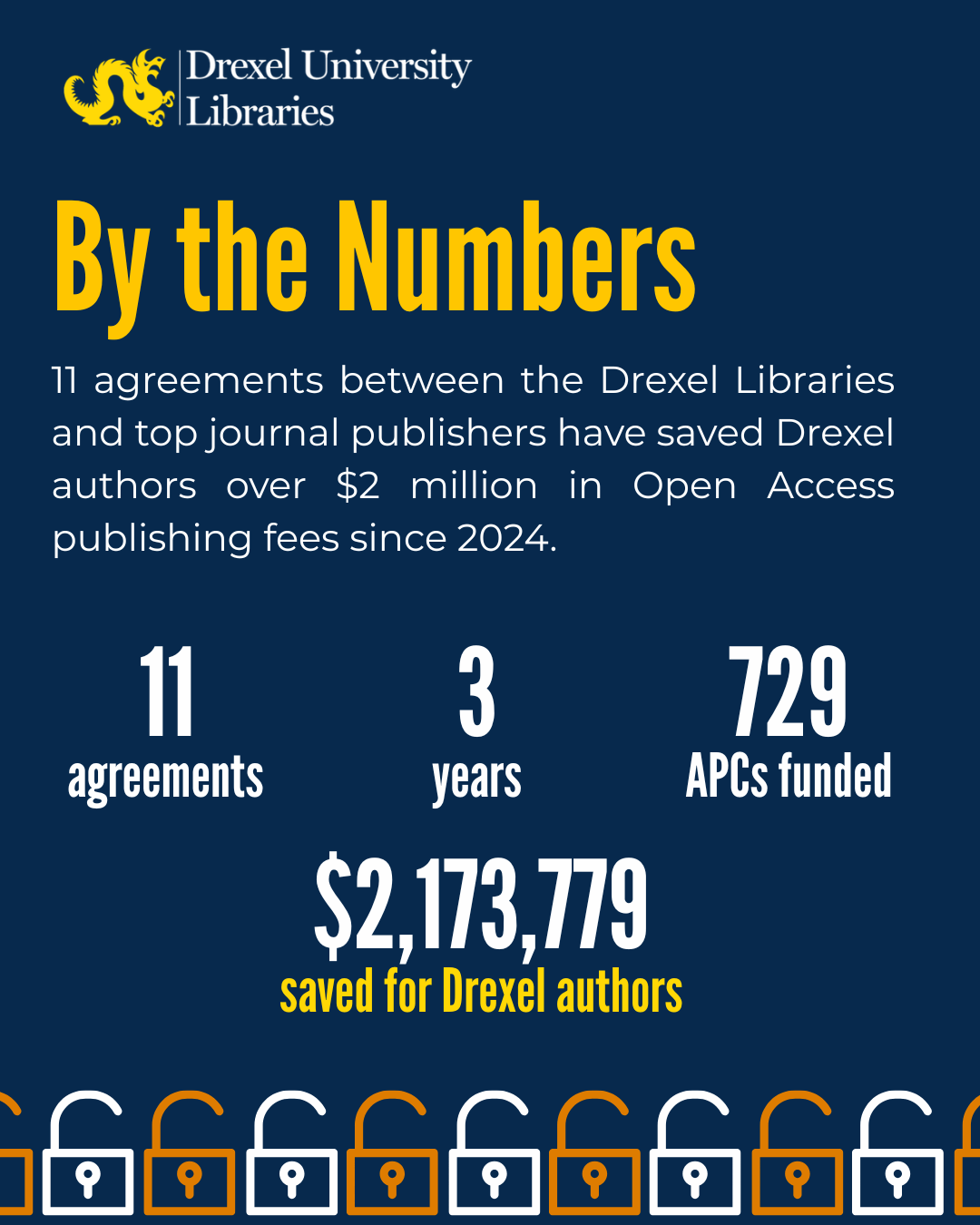
The Drexel Libraries is committed to making it easier and more affordable for Drexel authors to publish their research as Open Access. The Libraries continues to explore new opportunities and currently has OA publishing agreements with 11 top journal publishers, including the American Chemical Society, Cambridge University Press, Elsevier, Springer Nature, and Wiley. Through these arrangements, the Libraries has already funded 729 articles, saving Drexel authors over $2 million.
Explore the Libraries’ APC agreements before you publish your research and take advantage of these important agreements.
Questions? Please email libsystems@drexel.edu.
Urban Health Collaborative Releases 2024–2025 Annual Report
The Urban Health Collaborative at the Dornsife School of Public Health has recently released their 2024-2025 Annual Report, highlighting their activities over the last academic year. If you are interested in learning more about their work, you can sign up for their monthly newsletter. Drexel University faculty interested in becoming UHC affiliate faculty can review a detailed list of benefits, responsibilities, and application instructions [PDF].
Questions? Please email the Urban Health Collaborative at UHC@drexel.edu.
Highlighting DrexelNEWS Research Stories: DU Researchers Develop Novel "Nanotrap" Strategy to Fight HIV
Drexel researchers, in collaboration with colleagues at the University of Pennsylvania, have developed an innovative therapeutic vaccine approach that uses a "nanotrap" to lure, capture and expose HIV particles to the body's immune system. Rather than targeting the virus directly, the technology is designed to help the immune system recognize and mount a broad response against HIV, offering a promising new strategy for combating a virus known for its ability to evade immune defenses.
Led by Peter Deak, PhD, of the College of Engineering and Computing, with collaborators from Drexel's College of Medicine and the University of Pennsylvania, the research was recently published in Biomaterials. While still in the early stages of development, the modular platform could ultimately be adapted to target other viral diseases.
Read the full DrexelNEWS Story
Research Compliance & Regulatory Affairs
ORI Guidance and Procedure Update
As the Office of Research & Innovation (ORI) continues its efforts toward Drexel University’s strategic plan and CLARITY project, we are excited to introduce a new and updated SOPs and guidelines through ORI’s established workgroup processes that will continue to provide best practices, enhance collaboration, and reinforce our commitment to Drexel University and our Research Community:
ORI Procedure Updates
ORI-007: Responsible Use of AI in Research [PDF]
- These guidelines establish expectations for the responsible, ethical, and transparent use of AI tools in research conducted at Drexel University or by Drexel University research agents. Key considerations in the use of AI in research include safeguarding research integrity, human subject protections, inherent biases, data privacy, intellectual property, and compliance with regulatory and funder requirements.
- More information is included below.
- Effective 06/06/2026
ORI-610: Study Feasibility Checklist [DOC]
- This checklist is intended as a supplemental resource and guide for assessing the appropriateness and feasibility of implementing a research project.
- Effective 05/22/2026
ORI-612: Coverage Analysis and Qualifying Clinical Research [PDF]
- These procedures establish the process for determining whether a coverage analysis is applicable for a study, and if so, for completing the financial coverage analyses and associated attestations for applicable sponsored or investigator-initiated clinical research activities.
- Effective 05/22/2026
ORI-622: Drug and Device Accountability [PDF]
- This guidance describes the process for receipt, storage, dispensing/administration, transport, and accountability of study drugs and devices, also considered investigational product (IP), at the study site from the time of receipt through final removal or authorized destruction, in accordance with all applicable regulations. Investigational products generally fall under the oversight of the FDA. Template accountability logs are available in the ORI Catalog.
- Effective 04/29/2026
ORI-623: Adverse Event Management and Documentation [PDF]
- This document establishes procedures for identifying, documenting, and assessing Adverse Events (AEs) and Serious Adverse Events (SAEs), related to human subjects research, in compliance with applicable regulatory standards and good clinical practice (GCP). Template adverse event logs are available in the ORI Catalog.
- Effective 05/22/2026
ORI-624: Research Sample Management [PDF]
- This document describes the process for research sample management including transport, processing, storage, shipping, and review.
- Effective 05/22/2026
ORI-625: Obtaining a Certificate of Confidentiality [PDF]
- This document describes the purpose, applicability, and procedures for obtaining and implementing a Certificate of Confidentiality (CoC) for research studies involving sensitive, identifiable information.
- Effective 05/22/2026
Feedback or Questions? Email Marisa Corbett, Executive Director of Research Quality Assurance, at marisa.jo.corbett@drexel.edu or Sarah Archibald, Associate Vice Provost of Research Compliance and Regulatory Affairs, at sarah.archibald@drexel.edu.
HRP/IRB Procedure Updates
The HRP/IRB is in the process of updating our SOPs. Please refer to this memo [PDF] regarding the new procedures.
HRP-060: Exempt Studies [PDF]
- All research using human subjects must be approved by Drexel University. Some human subjects research that presents no more than minimal risk to subjects and falls into one or more exempt categories of human subjects research is considered exempt from Institutional Review Board (IRB) approval. Exempt research is subject to review by the Drexel Human Research Protection (HRP) Office for determination of exemption status.
- Effective 06/02/2026
HRP-090: Obtaining Informed Consent from Research Subjects [PDF]
- These procedures describe the requirements for obtaining consent from human research subjects participating in research conducted under the auspices of Drexel University. The HRP Office has also provided Spanish, French, and Italian Short Form Template documents to accompany this SOP.
- Effective 06/02/2026
HRP-140: Participant Outreach [PDF]
- These procedures describe how Drexel fulfills the responsibility of ensuring opportunities are offered to research participants, prospective research participants, and community members to enhance research understanding.
- Effective 06/02/2026
HRP-480: Emergency Preparedness Plan for the HRPP [PDF]
- This SOP establishes written procedures for initiating a response to an emergency impacting the Drexel University Human Research Protection Program (HRPP) or HRPP operations.
- Effective 06/02/2026
Feedback or Questions? Email John Roberts, Executive Director of Human Research Protections, at john.thomas.roberts@drexel.edu.
IACUC Procedure Updates
- The purpose of this procedure is to ensure the humane care and treatment of animals used in research, teaching, and testing. The Drexel University Institutional Animal Care and Use Committee (IACUC) must “...review and if warranted, investigate concerns involving the care and use of animals at the research facility resulting from public complaints received and from reports of noncompliance received from laboratory or research facility personnel or employees” (AWR§2.31(c)(4)). Such concerns may include incidents that involve actual or potential harm to animal and human health and well-being, including accidents, and protocol non-compliance. From the Guide for the Care and Use of Laboratory Animals: Investigating and Reporting Animal Welfare Concerns — Safeguarding animal welfare is the responsibility of every individual associated with the Program. The institution must develop methods for reporting and investigating animal welfare concerns, and employees should be aware of the importance of and mechanisms for reporting animal welfare concerns. In the United States, responsibility for review and investigation of these concerns rests with the [Institutional Official (IO)] and the IACUC. Response to such reports should include communication of findings to the concerned employee(s), unless such concerns are reported anonymously; corrective actions if deemed necessary; and a report to the IO of the issue, findings, and actions taken. Reported concerns and any corrective actions taken should be documented (Guide, p. 23). The purpose of these procedures is to describe the process adopted by the Drexel University IACUC to review, investigate, and report animal welfare concerns.
- Key Updates:
- Removed adverse event definition to make its own reporting procedure.
- Added escalation steps for recurring non-compliance.
- Updated AAALAC reporting criteria based on their recently released guidance.
- Additional minor edits throughout.
- Updated reporting form: ACU-007: Investigating Animal Welfare Concerns & Noncompliant Activities – Reporting Form [DOC].
- Effective 7/8/2026
ACU-010: Unanticipated Outcomes and Adverse Event Reporting Procedures [PDF]
- The purpose of this *NEW* procedure is to establish a consistent process for identifying, reporting, reviewing, and managing unanticipated outcomes or adverse events involving animals on approved IACUC protocols. Please note that the intent of this process is not to be punitive. The IACUC, Attending Veterinarian, and Director of Animal Welfare will work collaboratively with research teams to assess unanticipated or adverse events (defined below) that are often a source of frustration (e.g., higher than expected attrition rates) and that limit research productivity. We will work together to identify practical solutions that will support the welfare of the animals and the success of your research program.
- Reporting Form: ACU-010: Unanticipated Outcome and Adverse Event Reporting Form [DOC].
- Effective 7/8/2026
ACU-202: Rodent Breeding and Housing Procedures and Guidelines [PDF]
- The purpose of this procedure is to provide information about the proper maintenance of rodent breeding colonies, specifically mice (Mus musculus) and rats (Rattus norvegicus).
- Key Updates:
- For mice, continuous pair breeding is now the standard breeding scheme.
- Addition of separation guidance for trio and harem breeding to avoid overcrowding.
- Removal of the 21-23 days of age to wean and replaced with 21 days of age to avoid overcrowding.
- Addition of rat cage size/population guidance.
- Guidance for when two litters are present in the same cage: Older litters must be promptly weaned if newborn litter is in the cage. If animal welfare concerns are noted (trampling, cannibalism of newborn litter), ULAR will wean immediately and a $50 charge will apply.
- Addition of a charged fee ($50/cage) when ULAR weans animals (two days past weaning date).
- ⚠️ IMPORTANT: Upcoming ULAR Weaning Charges⚠️
- The $50 charge for ULAR-performed weaning of overdue cages will be implemented using a phased approach.
- Effective immediately: Notices for routine weaning/overcrowding will no longer be sent, unless there is a younger litter in the cage or an animal welfare concern. Instead, an “overcrowded card” will be placed on the cage with the date the cage is found. The PIs will have 2 calendar days to wean the cage. PIs and/or lab contacts will receive an e-mail if the cage is still not weaned within 2 calendar days and the charges that would have applied if ULAR had to wean the cage.
- Beginning September 1, 2026, the grace period will end and a $50 charge per cage will be formally assessed when ULAR is required to wean overdue cages.
- To avoid these charges, laboratory personnel should ensure animals are weaned in accordance with this procedure.
- Effective – Overall procedure changes: 6/10/2026, Overdue weaning charges: 9/1/2026
- The purpose of this procedure is to ensure the use of non-pharmaceutical agents, mixtures of pharmaceuticals (cocktails) and non-drugs administered to animals by the parenteral route are of the appropriate chemical purity and quality and in the appropriate solution or compound, to ensure stability, safety, and efficacy.
- Key Updates:
- Guidance for secondary container use which aligns with current procedures for pharmaceutical mixtures.
- Multi-dose containers must be labeled with the date of first puncture and the expiration date, based on the compound's abbreviated expiration date once punctured, as applicable.
- Addition of having the option for an expiration date outside of 30 days after preparation of the agent if "the manufacturer specifies an alternative expiration date or storage requirement. In such cases, the manufacturer's recommendations should be followed."
- Effective 6/29/2026
ACU-219: Drug Formulary of Anesthetic and Analgesic Agents for Laboratory Animals [PDF]
- The purpose of this formulary is to establish species-specific anesthetic and analgesic dose standards.
- Key Updates:
- Added/clarified formulations of buprenorphine for mice, rats, rabbits, and swine.
- Added meloxicam sustained relief dosing for mice and rats.
- Added reversal option (atipamezole) for mice, rats, rabbits, and swine.
- Clarified dosing of ketamine/xylazine to redose ketamine only.
- Added recommended doses of local anesthetics/analgesics in mice, rats, rabbits, and swine.
- Added target pH for amphibian MS222 submersion.
- Added MS222 dosing for fish.
- Added etomidate dosing for frogs.
- Adjusted benzocaine dose for frogs.
- Effective 5/13/2026
ACU-220: Satellite Animal Housing Procedures [PDF]
- This *NEW* procedure establishes the requirements for requesting, approving, and maintaining animal housing outside of ULAR-managed animal facilities. It is intended to formalize a process that has historically been managed informally and to ensure consistent oversight, regulatory compliance, and animal welfare standards across all satellite housing locations.
- Effective 5/14/2026
Feedback or Questions? Email Liz Hann, Director of Animal Welfare, at IACUC@drexel.edu.
THESE PROCEDURES & GUIDELINES, ALONG WITH SUPPORTING MATERIALS AND FORMS ARE AVAILABLE IN ORI’S GUIDELINES AND PROCEDURES CATALOGFeedback or Questions? Please email Marisa Corbett, Executive Director of Research Quality Assurance, at marisa.jo.corbett@drexel.edu.
Research Participant Payments: Change in Tax Reporting Threshold
Recent regulation changes have increased the annual threshold for issuing an IRS Form 1099 from $600 to $2,000, as of January 1, 2026. This means that payors (the University) are no longer required to issue 1099s unless an individual receives at least $2,000 in stipend income in a calendar year.
How does this affect ongoing and new human research projects?
- For research projects with ongoing enrollment and which are providing incentive payments to participants, the informed consent language regarding tax reporting requirements should be updated from the previous language (“more than $599.00”) to the new $2,000 threshold. Please revise the consent form language to the new tax reporting information at such time that the study requires a consent form amendment or a continuing review with future enrollment expected is submitted to the IRB (whichever comes first).
- The IRB Consent Form Template has been updated to include the new tax language and any new projects which are providing incentive payments to participants should include the revised tax language in their consent forms.
- As the change in tax threshold reporting is new information that is unlikely to affect participants’ willingness to continue participation, the IRB does not require currently enrolled participants to be formally “reconsented” with the new information or provide signature upon receipt. However, the IRB recommends that applicable study participants be notified either verbally or via the IRB-approved Information Sheet.
- The Information Sheet has been approved for use by the IRB and does not require submission to the IRB for individual projects. Only sections highlighted in yellow may be edited. If using the Information Sheet for your project, please file the IRB approval letter and template information sheet with your study files. Also, please see the Information Sheet Instructions for additional considerations regarding the tax reporting threshold change and notifying participants.
- The Information Sheet has been approved for use by the IRB and does not require submission to the IRB for individual projects. Only sections highlighted in yellow may be edited. If using the Information Sheet for your project, please file the IRB approval letter and template information sheet with your study files. Also, please see the Information Sheet Instructions for additional considerations regarding the tax reporting threshold change and notifying participants.
The revised tax reporting threshold became effective on January 1, 2026. This new reporting threshold only applies to participants receiving incentive payments after this date. Participants who have completed study visits prior to this date and are no longer receiving incentive payments do not need to be notified of this change.
Questions? Please email the Human Research Protection Program team at HRPP@drexel.edu.
Clarification on Institutional Federal Research Security Training Requirements
Dear Drexel University Researchers,
To align with evolving federal research security requirements, Drexel University will require all Principal Investigators (PIs) and Key Personnel listed on federal funding proposals submitted on or after September 1, 2026, to complete Federal Research Security Training on an annual basis.
Collaborators identified as Key Personnel are also required to complete Research Security Training (RST). An attestation will be added shortly to the Subrecipient Commitment Form (SCF) to confirm compliance with this requirement.
Several federal agencies already require Research Security Training for senior/key personnel. The number of federal agencies requiring this training is expanding and may continually evolve. The Office of Research and Innovation (ORI) verifies compliance with sponsor-specific requirements, including research security training, during proposal review.
Because federal research security requirements are expanding, Drexel will require annual Research Security Training for all federal proposals to ensure compliance and avoid proposal submission delays.
What You Need to Do
-
If you have not done so already, complete Research Security Training before participating as a PI or Key Personnel on a federal proposal submitted on or after September 1, 2026.
-
Register in CITI using your Drexel email address to ensure your training records can be tracked through the Novelution research administration system.
-
Complete the CITI Research Security Training (1 hour). ORI recommends the CITI course because it will integrate with Novelution in the future for streamlined and better researcher experience as well as for compliance tracking (Directions for Accessing Research Security Training in CITI).
-
Upon completion of the CITI 1 hour training, email the certificate to OSP and to the Research Security inbox (who will add it to the Smartsheet form).
-
Renew the training annually. Training must be completed within the 12 months preceding proposal submission.
-
Plan ahead. Review training requirements for your sponsor.
Important Scope Clarification
-
This Drexel University requirement applies to federal proposals only. At this time, we are not aware of non-federal sponsors requiring the training, but this could change.
-
OSP will verify research security training compliance only for federal sponsors and will not review or track this training requirement for non-federal sponsors, unless it is required by a non-federal sponsor.
-
Researchers should continue to review and comply with any sponsor-specific training requirements that may be imposed by non-federal funders.
-
These research security training regulations are changing regularly therefore we will continue to engage the community with updates when needed.
Questions? Email the Research Security team at researchsecurity@drexel.edu.
Important New Guideline Released: Responsible Use of AI in Research
ORI is pleased to announce the release of new guidelines: ORI-007 Responsible Use of AI in Research [PDF]. These guidelines were developed to support researchers in the ethical, transparent, and compliant use of AI tools across research disciplines. These guidelines apply to all Drexel faculty, staff, students, trainees, and agents engaged in research activities, regardless of funding source, discipline, or research setting.
The regulatory environment surrounding AI in research is rapidly evolving. Policies and guidelines will continue to evolve as tools, expectations, and regulations develop. Researchers must follow the most recent/up-to-date regulations and funder and journal requirements and not assume that these have remained the same.
Researchers are encouraged to review the guidelines, utilize the resources provided, and incorporate the principles into your work.
Key takeaways include:
- Stay up-to-date and utilize Drexel’s Artificial Intelligence resources.
- Document and disclose the use of AI tools as applicable.
- Follow funder and journal requirements for the use and disclosure of AI tools, as applicable.
- Colleges and departments may set additional requirements for the use of AI tools.
ORI will host a webinar session to provide an overview of these guidelines and frequently asked questions. Stay tuned for an ORI announcement about this upcoming webinar.
Questions? Email Marisa Corbett, Executive Director of Research Quality Assurance, at marisa.jo.corbett@drexel.edu or Sarah Archibald, Associate Vice Provost for Research Compliance and Regulatory Affairs at sarah.archibald@drexel.edu.
Responsible Conduct of Research (RCR) Face-to-Face Training Day
Registration Available (September 15, 2026) - Live RCR Course
Face-to-Face Responsible Conduct of Research (RCR) training, as required by NIH, was previously provided as Course RCRG 600, as assigned by Graduate Academic Advisors. Based on feedback from Faculty and Students and understanding the other commitments our students have during the year, in 2024, this was moved to a single-day face-to-face course offered as part of Welcome Week. This course is being offered instead of the Winter RCR 600 course provided by the Graduate College. It is required for all individuals as assigned by their school, college, or program, as well as all trainees, fellows, participants, and scholars receiving support through any NIH training, career development award (individual or institutional), research education grant, or dissertation research grant. Face-to-face RCR training is also strongly recommended for undergraduate and graduate level students, as well as faculty, who plan to conduct research, regardless of the funder, for individuals who have not otherwise completed live RCR training.
Training will be held on Tuesday, September 15, 2026, from 8:30 AM – 5 PM. Individuals can register for RCR at the following link: Fall 2026 Responsible Conduct of Research (RCR) Training Registration. As physical space is limited, depending upon registration, we may ask individuals to switch to remote attendance, if they are not a required in-person attendee.
This course does not affect the Drexel University College of Medicine's RCR Course, School of Biomedical Engineering, Science and Health Systems RCR Course, or the RCR-CITI Training Requirements.
Questions? Email Marisa Corbett, Executive Director of Research Quality Assurance, at marisa.jo.corbett@drexel.edu.
Phlebotomy Training Opportunity
Our Phlebotomy training was created after the implementation of ORI-101: Procedures for Research Blood Draws [PDF], which requires training for faculty, staff, personnel and agents who are not licensed/certified for blood draws. This daylong training provides participants with comprehensive knowledge on the proper techniques for drawing peripheral blood samples including multiple opportunities to demonstrate proper blood sampling techniques on models.
We encourage any applicable researcher to register for training by completing our form here: Phlebotomy Training Request Form. Training sessions will be scheduled as needed based on the number of registrants.
Questions? Email Marisa Corbett, Executive Director of Research Quality Assurance, at marisa.jo.corbett@drexel.edu.
Sponsored Programs
Federal Sponsor Updates
NOT-OD-26-084: Reminder – Definition of Foreign Components
May 27, 2026 - The National Institutes of Health (NIH) recently issued a reminder that its definition of a foreign component has not changed, despite increased oversight of international collaborations. Researchers should continue to disclose any significant scientific activities conducted outside the United States, including most collaborations with foreign investigators that result in co-authorship, to their NIH funding Institute or Center as soon as they become aware of them.
Investigators are also reminded to carefully review Notice of Funding Opportunity (NOFO) requirements regarding foreign components and to ensure publications accurately acknowledge NIH funding and institutional affiliations. For additional guidance, please review NIH Notice NOT-OD-26-084.
Visit the Sponsor Updates Webpage
Questions? Please email Gia Boersema, Assistant Vice Provost, Sponsored Programs, at gia.d.boersema@drexel.edu.
Drexel Researchers Receive New Awards!
We’re proud to share that during Q4 of FY 2026, Drexel researchers have secured 54 new awards, totaling approximately $5.6 million in funding. These awards reflect a diverse range of support, including:
- 65% from federal sponsors
- 24% from private non-profit organizations
Congratulations to the investigators below on the following projects, which reflect a selection of the largest awards granted this quarter:
-
Fortifying Cartilage to Combat Osteoarthritis
Dr. Lin Han – School of Biomedical Engineering and Science, College of Engineering and Computing
Dr. Robert Mauck and Dr. Liane Miller – Perelman School of Medicine, University of Pennsylvania
Dr. Xueyuan Liu – Children’s Hospital of Philadelphia
National Institute of Arthritis and Musculoskeletal and Skin Diseases
Dr. Han and his collaborators have received a five-year R01 renewal award totaling approximately $3.0 million from the National Institute of Arthritis and Musculoskeletal and Skin Diseases (NIAMS) for a collaborative project led by Dr. Han to investigate how the extracellular matrix protein decorin maintains the structural and mechanical integrity of articular cartilage and to evaluate its potential as a therapeutic target for osteoarthritis. Osteoarthritis is the most common musculoskeletal disease and a leading cause of disability worldwide, affecting approximately 600 million people. Despite its enormous health and economic burden, there are currently no disease-modifying therapies that can prevent cartilage degeneration or restore damaged tissue.
During the first funding cycle, Dr. Han's lab identified decorin, a small extracellular matrix proteoglycan, as a critical regulator of cartilage matrix integrity and biomechanical function. This renewed project will determine how decorin protects cartilage from fibrillation during aging and after joint injury and test whether increasing decorin levels through adeno-associated virus (AAV)-mediated gene therapy can molecularly fortify the cartilage matrix, slow cartilage degeneration, and improve tissue repair. The multidisciplinary research combines advanced biomechanics, molecular biology, and preclinical mouse and large-animal models to uncover the molecular mechanisms by which decorin preserves cartilage function and promotes regeneration. By defining the molecular, structural, and biomechanical roles of decorin in healthy and injured cartilage, this work aims to lay the foundation for decorin-based therapeutics that preserve cartilage function, slow osteoarthritis progression, and improve cartilage repair following injury. -
Suppression of ethanol dependence-induced maladaptive appetitive and consummatory behavior by the GLP-1 system
Dr. Jessica R. Barson – Neurobiology and Anatomy, College of Medicine
Dr. Jacqueline M. Barker - Pharmacology and Physiology, College of Medicine
NIH National Institute on Alcohol Abuse and Alcoholism
Drs. Jessica Barson and Jacqueline Barker have received five years of funding from the NIH for their multi-principal investigator R01 award. Leveraging the expertise of a multidisciplinary investigatory team, this award aims to characterize the effects of alcohol withdrawal on the consumption and seeking of palatable food and alcohol, and examine the glucagon-like peptide-1 (GLP-1) system in the forebrain as a mechanism for these behaviors. While GLP-1 is a gut peptide, it is also a neuropeptide, and its receptor (GLP-1R) is expressed throughout the brain. This project tests the hypothesis that withdrawal from alcohol leads to a dysregulation in reward taking and seeking and an associated downregulation of the brain GLP-1 system, so that increasing GLP-1 receptor activity in the prefrontal cortex and paraventricular nucleus of the thalamus, two regions of the forebrain, can suppress dysregulated reward behavior. Notably, while clinically approved GLP-1R agonist medications hold promise in treating aberrant consumption and seeking of palatable food and alcohol, they also induce undesirable side-effects, largely due to their effects in the hindbrain. Therefore, this project aims to elucidate the role of the forebrain GLP-1 system, with the goal of aiding with the implementation of novel therapeutics with a reduced side-effect profile that inhibit disordered behavior and relapse during the alcohol recovery period. -
Neural circuit mechanisms of inflexible drug seeking in a model of HIV infection
Dr. Jacqueline Barker, College of Medicine
National Institutes of Health
Psychostimulant use rates are high among people living with HIV, and HIV outcomes are worsened by chronic drug exposure. However, there is a lack of targeted therapeutic strategies to reduce drug use in people living with HIV. Substance use disorder is characterized by difficulty in terminating drug use and high propensity to relapse. This grant will use the EcoHIV mouse model of HIV infection to assess the role of discrete prefrontal cortex circuits in relapse-related behavior. This work builds on previous findings identifying impaired extinction learning in multiple mouse models of HIV infection and increased relapse-related behavior in the EcoHIV model. These behavioral changes are accompanied by dysregulation of prefrontal cortical circuit activity. This proposal will utilize in vivo electrophysiology, tract tracing, and circuit-specific chemogenetics to determine how EcoHIV infection and cocaine exposure interact to alter cortical function during inhibition of drug seeking and to determine whether selective circuit and pharmacological manipulation can restore control over drug seeking in animals with infection. The team proposes that alterations in these circuits resulting from EcoHIV infection impair cognitive control of behavior which promotes the maintenance of and susceptibility to relapse to cocaine seeking. Together, the results of these experiments will inform the mechanisms by which EcoHIV alters cocaine seeking and taking behavior and expand our understanding of the circuit-level consequences of EcoHIV infection, which may support next-generation therapeutic development for people living with HIV who use drugs. -
CAREER: Investigating, Designing, Developing, and Evaluating Solutions to Prevent Adolescent Overattachment to Conversational AI Companions
Dr. Afsaneh Razi, College of Computing & Informatics
National Science Foundation
Dr. Afsaneh Razi has received an NSF CAREER Award to investigate how adolescents interact with AI companion chatbots and to develop evidence-based strategies to address the risks of emotional overreliance. Supported by a five-year award totaling $681,393, the project will examine how emotional attachment and overreliance on AI companions may affect adolescent development, while working with teens, caregivers, and stakeholders to co-design and evaluate interventions that foster digital resilience and responsible AI engagement. Then the project will evaluate the reusable teen-centric sociotechnical design frameworks and a suite of interventions and longitudinally assess the age-appropriate suite of novel interventions in real-world contexts. The project builds upon well-established theoretical approaches to develop datasets, models, and tools. By integrating research with education and public outreach, the project aims to inform the design of safer AI systems, strengthen digital literacy, and contribute to future AI safety practices and policy. -
CAREER: Entropy-driven oxynitrides
Dr. Jill Wenderott, College of Engineering
National Science FoundationAnne Stevens Assistant Professor Jill Wenderott has received a five-year NSF-CAREER award for her project “Entropy-driven oxynitrides.”
This project will develop new ceramic materials known as visible-light-activated photocatalysts because they can use visible light to drive chemical reactions. Creation of these materials could lead to more efficient generation of useful, value-added products while supporting cleaner, more sustainable technologies.
These novel ceramic materials are exceptionally strong and possess tunable optical and electronic properties due to their unique atomic structure, which is characterized by metal atoms and oxygen and nitrogen atoms replacing, switching, or mixing with one another. Researchers can take advantage of these unique structures to either encourage or discourage this type of atomic switching, and multi-element materials containing multiple metals and both oxygen and nitrogen are called “entropy-driven oxynitrides.”
This project will investigate how changing the different positively and negatively charged atoms within these materials affects their properties and performance. Additionally, because these materials are extremely underexplored, the project will also study how entropy-driven oxynitrides are formed during synthesis so the manufacturing process is better understood, which reduces waste and makes it easier to produce the materials on a larger scale.
In addition to advancing materials science, the project will expose a broad age range of students to functional inorganic materials science through low-cost, hands-on science kits (grades K-12) and focused research experiences and in-class learning related to materials for resiliency topics for both undergraduate and graduate students at Drexel University.
Seeking funding?
Search for funding opportunities using Pivot and Funding Institutional
Let’s keep the momentum going!
Questions? Please email Rose Ann DiMaria-Ghalili, Interim Associate Vice Provost for Research & Innovation, at rose.a.dimaria-ghalili@drexel.edu.
Process Update: Non-FDP Modifications Transition to Contracts Team
Effective July 23, 2026, all Non-FDP Modifications will be managed by the Contracts Team rather than the Grants Team. To initiate a Non-FDP Modification request, departments must complete and submit a Contract Intake Form for review and processing.
This change is intended to streamline the handling of non-FDP agreements and ensure requests are routed to the appropriate team from the outset. Please update your internal processes accordingly and direct any questions to the Contracts Team.
Questions? Please email Jesse Szeto, Director, Contracts and Subawards, at jesse.szeto@drexel.edu.
NSF Graduate Research Fellowship Program (GRFP): Record Number of Awards Announced
The National Science Foundation (NSF) has announced a record 2,599 Graduate Research Fellowship Program (GRFP) awards for the 2026 competition, marking a significant increase from last year and reaffirming the program's continued investment in graduate STEM education. The prestigious fellowship provides recipients with three years of financial support, including a $37,000 annual stipend and a $16,000 annual cost-of-education allowance paid to the recipient's institution.
Graduate students and undergraduate seniors planning to pursue research-based master's or doctoral degrees in eligible STEM fields are encouraged to begin preparing their applications now. Please note that eligibility requirements changed for the current competition; undergraduate students and first-year graduate students are eligible to apply, while second-year graduate students are no longer eligible under the current solicitation. Applicants should carefully review the latest program guidelines before applying.
The next GRFP application cycle is expected to open later this summer, with application deadlines typically falling in late October and varying by field of study. Applicants should monitor the NSF GRFP website for the release of the next solicitation and specific deadline dates.
Read more about the 2026 recipients
Learn more about the NSF Graduate Research Fellowship Program (GRFP)
Questions? Please email the Office of Research & Innovation at ORI@drexel.edu.
2026 CURE Formula Grant Program: Application Now Available!
The 2026 CURE Grant application is now available in the Limited Submissions and Intramural Funding Portal.
The Pennsylvania Department of Health plans to issue a new Request for Applications (RFA) under the Commonwealth Universal Research Enhancement (CURE) Grant Program. This program supports health research initiatives across Pennsylvania, funded by the state's tobacco settlement funds. The CURE grant is designed to award grants for biomedical, clinical, and health services research. The goal of the program is to invest in uncovering new approaches to treatment and prevention. CURE has been a highly successful initiative, driving numerous medical advances and scientific breakthroughs across Pennsylvania. To date, the program has generated more than $2 billion in economic impact, created over 10,000 jobs, and produced nearly $90 million in tax revenue, cementing the state’s reputation as a leader in biomedical innovation and life sciences.
Purpose
- This RFA invites proposals that foster transdisciplinary research among faculty members and emphasize collaborations across departments and academic units (i.e., schools and colleges) at Drexel University.
- These funds are used to promote HYPOTHESIS-DRIVEN research projects that will lead to high-quality scholarship (i.e., publications), technology commercialization, submissions for extramural support and ultimately awards from the NIH, DOD, NSF, and other governmental agencies and foundations.
- The project period for the grant is for up to four years to allow completion of the Specific Aims. The start date is July 1, 2027, and the end date is June 30, 2031. The maximum budget allowed for direct costs is $95,000.
- The RFP and application forms may be found on Drexel’s Limited Submissions and Intramural Funding Portal.
Eligibility to Apply for Funds
As per the PA Department of Health, the research project Principal Investigator must be employed by the institution (Drexel University). Principal Investigators for the CURE grants must hold a full-time, primary faculty appointment (assistant professor or above). Faculty members may submit only one CURE proposal as PI. Each proposal is required to have at least one co-investigator. Collaborations across Drexel’s schools or colleges are strongly encouraged. Faculty members with an active CURE award are NOT eligible to submit a proposal as PI but may serve as a Co-I on a new project.
Research Security Training
Principal Investigators and Co-investigators will be required to use the new NIH Biosketch Common form and Biosketch Supplement which requires research security training attestation. Visit the ORI website for information on how to complete the CITI research security training.
Submission And Deadline
Applicants are required to submit the Application and Supporting Documents in the Limited Submissions and Intramural Funding Portal: Completed CURE applications are due in the Drexel University Funding Portal no later than 5:00 PM on Tuesday, August 11, 2026.
Research Using Human Subjects, Human Cell, or Human Specimens
If the research plan involves the use of human subjects, human specimens/samples, or human cells—even if they are de-identified or commercially available—it requires Drexel IRB review and approval, or a formal determination from the Drexel IRB. If your proposal is selected for submission to the State, an application must be submitted to Drexel’s IRB immediately upon confirmation of internal review acceptance and receive IRB approval before Drexel submits the proposal to the State. For additional guidance on Drexel IRB policies and requirements, visit the HRP website.
Please note that the IRB module of COEUS will be replaced by Novelution on August 17, 2026. For more information on Novelution, visit the Novelution Hub. For Novelution support, please contact novelution_info@drexel.edu.
Questions related to IRB requirements for the CURE grant may be directed to John Roberts, Executive Director, HRPP at HRPP@drexel.edu or Janet Matthews, MSN, RN, Sr. Director, Research Program Development, CoM, at janet.matthews@drexel.edu.
Review Process and Award Notification
For internal review, the proposals will be reviewed by Drexel University faculty members from across the University, as determined by the scientific expertise required to conduct a fair and thorough review. Decisions for funding will be based upon scientific merit, as evaluated by the review panel, and programmatic need.
Find the full RFA on SharePoint for more informationQuestions? Please email Dr. Noreen Robertson, College of Medicine Sr. Associate Vice Dean for Research and Innovation, at noreen.m.robertson@drexel.edu.
Celebrating Drexel's 2022–2023 CURE Formula Program Awardees
The Office of Research & Innovation congratulates Drexel's 2022–2023 CURE Formula Program award recipients. The CURE Formula Program provides state-supported funding to advance innovative research across Pennsylvania's research institutions. We are proud to recognize the following Drexel investigators and their funded projects.
Drexel University Awardees for the 2022-2023 Formula Commonwealth Universal Research Enhancement Grant (CURE)
Epidural Stimulation to Treat Neuropathic Pain after Spinal Cord Injury
Principal Investigator: Tatiana Bezdudnaya, PhD, Neurobiology & Anatomy, College of Medicine
Co-investigator: Megan R Detloff, PhD, Neurobiology & Anatomy, College of Medicine
Engineering Mesenchymal Stem Cells for Inducing Antigen-Specific Immune Tolerance
Principal Investigator: Hao Cheng, PhD, Materials Science & Engineering, College of Engineering
Co-investigator: Pooja Jain, PhD, Microbiology & Immunology, College of Medicine
Influence of Building Plumbing Conditions on Health-relevant Microbial Species
Principal Investigator: Patrick Gurian, PhD, Civil, Architectural, and Environmental Engineering, College of Engineering
Co-investigators:
Joshua Mell, PhD, Microbiology & Immunology, College of Medicine
Christopher M Sales, PhD, Civil, Architectural, and Environmental Engineering, College of Engineering
Identifying Trends in Incarceration Pathways Among Autistic Adults
Principal Investigator: Jordan M. Hyatt, JD, PhD, Criminology and Justice Studies, College of Arts and Sciences
Co-investigator: Lindsay Shea, DrPH, Health Policy, Dornsife School of Public Health
Effect of Decline Walking on Kinematics and Muscle Activity after Spinal Injury
Principal Investigator: Lynnette R Montgomery, PhD, Physical Therapy and Rehabilitation Sciences, College of Nursing and Health Professionals
Co-investigator: Tatiana Bezdudnaya, PhD, Neurobiology & Anatomy, College of Medicine
Consequences of HIV/HBV Co-Infection for the Development of Liver Cancer
Principal Investigator: Michael Nonnemacher PhD, Microbiology & Immunology, College of Medicine
Co-investigators:
Peter Gaskill, PhD, Pharmacology & Physiology, College of Medicine
Edward Hartsough, PhD, Pharmacology & Physiology, College of Medicine
Michael J. Bouchard, PhD, Medical University of South Carolina, Charleston, SC
Probe Novel Therapeutic Targets for Spastic Paraplegia 4 (SPG4)
Principal Investigator: Liang (Oscar) Qiang, PhD, Neurobiology & Anatomy, College of Medicine
Co-investigator: Sandhya Kortagere, PhD, Microbiology & Immunology, College of Medicine
PACAP38 Treatment to Reduce Behavioral Deficits in Autism Spectrum Disorder
Principal Investigator: Ramesh Raghupathi, PhD, Neurobiology & Anatomy, College of Medicine
Co-investigators:
Kazuhito Toyooka, PhD, Neurobiology & Anatomy, College of Medicine
Jessica R Barson, PhD, Neurobiology & Anatomy, College of Medicine
Testing Novel ACSS2 Inhibitors for Targeting Breast Cancer Brain Metastasis
Principal Investigator: Mauricio Reginato, PhD, Biochemistry & Molecular Biology, College of Medicine
Co-investigators:
Joris Beld, PhD, Microbiology & Immunology, College of Medicine
Alexej Dick, PhD, Biochemistry & Molecular Biology, College of Medicine
Haifeng (Frank) Ji, PhD, Chemistry, College of Arts and Sciences
Novel Adjuvant-containing Biomaterial for Elderly Wound Healing
Principal Investigator: Kara L. Spiller, PhD, School of Biomedical Engineering, Science & Health Systems
Co-investigators:
Elias El Haddad, PhD, Medicine - Division of Infectious Diseases and HIV Medicine, College of Medicine
Michele Kutzler, PhD, Medicine - Division of Infectious Diseases and HIV Medicine, College of Medicine
Victoria Nash, PhD, School of Biomedical Engineering, Science & Health Systems
Questions? Please email Dr. Noreen Robertson, Senior Associate Vice Dean for Research, College of Medicine, at noreen.m.robertson@drexel.edu.
Research Spotlight: Dr. Laura Gitlin Earns National Recognition
Congratulations to Dr. Laura Gitlin of Drexel's College of Nursing and Health Professions on receiving the Gerontological Society of America's (GSA) 2026 Richard Kalish Innovative Publication Book Award!
Dr. Gitlin and her co-author, Dr. Sara Czaja of Cornell University, were recognized for their book, Handbook of Intervention Science: From Design to Implementation, which honors insightful and innovative contributions to aging and life course development in the behavioral and social sciences.
Adding to this achievement, the book recently received an outstanding review in The Gerontologist, underscoring its impact on the field.
Well done, Dr. Gitlin! We are proud of your leadership in advancing aging research and the meaningful impact your work continues to have on the lives of older adults and their caregivers.
Questions? Please email the Office of Research & Innovation at ORI@drexel.edu.
Student Researchers Earn National Recognition and Competitive Awards
Drexel students continue to distinguish themselves through outstanding research, scholarship, and innovation. Over the past several months, undergraduate and graduate students have received prestigious fellowships, travel awards and research grants; presented their work at national conferences; published in leading academic journals; and earned recognition for excellence across disciplines.
Highlights include selection for the NOAA Sea Grant Knauss Marine Policy Fellowship, the Barry Goldwater Scholarship, DAAD Research Internships in Science and Engineering (RISE), and numerous national research and travel awards. In addition, Pennoni Honors College recently awarded 10 Undergraduate Research Mini-Grants to faculty and student teams to support innovative research projects spanning engineering, environmental science, health sciences, data science, public policy, and the humanities.
These accomplishments reflect Drexel's strong commitment to student research and experiential learning while showcasing the impact our students are making in their fields and communities. Congratulations to all of our student researchers on their outstanding achievements!
Questions? Please email the Office of Research & Innovation at ORI@drexel.edu.
Featured Research Success: Drexel FIRST Faculty Continue to Demonstrate Impact with New NIH Awards
The impact of Drexel University's Faculty Institutional Recruitment for Sustainable Transformation (FIRST) program continues to be realized through the success of the faculty it was designed to support. Established through a five-year, $14.4 million NIH award to the Dornsife School of Public Health and the College of Nursing and Health Professions, the FIRST program was created to recruit and support early-career faculty whose research addresses health disparities in aging, chronic disease, and environmental determinants of health.
Although NIH ended the national FIRST initiative in 2025 before a full evaluation could be completed, Drexel's commitment to faculty development, mentorship, and interdisciplinary collaboration continues to yield meaningful outcomes. This summer, two Drexel FIRST faculty members secured highly competitive NIH awards, reflecting the strength of their scholarship and the supportive research environment fostered through the program.
- Luis Arturo Valdez, PhD, MPH, received an NIH R01 award for ¡GANAS!: A Men's Health Intervention to Improve Sleep, Increase Social Connectedness and Reduce Stress Among Low-Income Men. The project seeks to address important health challenges affecting underserved populations through innovative, community-focused intervention strategies.
The research builds on years of local and national partnerships with Latino communities and examines how stress, social connection, culture, and everyday life shape men’s health. Findings from their formative work and the work of others suggest that many boys and men in the US grow up in environments where social and personal resources for coping with acute and chronic stress, such as expectations about emotional expression, communication, and help-seeking, are limited.
These expectations can attenuate one’s capacity to deal with the discomforts with discussing stress, seeking support, or using known strategies that promote recovery and well-being, due to the perceived stigma associated with them. For folks who also experience persistent socioeconomic pressures or limited access to supportive networks, these constraints may further inhibit the development of effective coping skills.
Nevertheless, rather than focusing only on risk or disease, their research asks a different question: What HELPS men thrive? The goal is to generate evidence that can inform community-based approaches to improving health before chronic disease develops. This award also helps establish a long-term research program dedicated to transforming how we understand and promote men's health through community-engaged, strengths-based approaches.
This moment represents the collective hard work of an incredible team of collaborators, community partners, students, and participants who have trusted the researchers with their experiences. The team is especially grateful to the community partners whose insight continues to shape every stage of this research.
Dr. Valdez notes, “As a first-generation Mexican immigrant, this milestone is deeply meaningful. There were many moments when a career in academic research seemed unimaginable. Receiving NIH support to study issues that matter to the communities that shaped him is both humbling and motivating. I'm really looking forward to the next phase of this work and to continuing to build research that is rigorous, community-engaged, and focused on creating healthier futures for men, their families, and our community.”
Learn more about the award - Kofoworola D. A. Williams, PhD, MPH, received an NIH K01 award for A Human-Centered, Multi-Stakeholder Approach to Develop and Test a Digital Intervention for Black Male Emerging Adults with Depression. This work focuses on developing innovative approaches to improving mental health outcomes among a population that has historically experienced disparities in access to care and treatment.
Depression is one of the leading causes of disability among young adults, yet Black emerging adult men remain significantly less likely to access and engage in mental health care due to persistent social, cultural, and structural barriers. Supported by an $880,900 National Institute of Mental Health (NIMH) K01 Career Development Award, this five-year project will use community-based participatory research and human-centered design to develop and pilot test a culturally responsive digital mental health intervention for Black emerging adult men with depression. Rather than adapting existing interventions, the project centers the perspectives of Black young men and community stakeholders throughout the design process to create a digital intervention that reflects their priorities, lived experiences, and strengths. The long-term goal is to develop scalable, technology-enabled approaches that improve engagement with mental health care and help reduce persistent disparities in mental health outcomes.
Learn more about the award
These awards represent more than individual accomplishments. They demonstrate the value of intentional faculty recruitment, strong mentorship, interdisciplinary collaboration, and sustained institutional investment in research excellence. They also reflect the leadership of Ana Diez Roux and Laura Gitlin, whose vision and commitment were instrumental in establishing the FIRST program at Drexel and supporting the continued success of its faculty cohort. Alongside faculty mentors, staff, and research partners, their efforts have helped create an environment where innovative scholars can thrive and advance research that addresses some of society's most pressing health challenges.
Questions? Please email Rose Ann DiMaria-Ghalili, Interim Associate Vice Provost for Research & Innovation at rose.a.dimaria-ghalili@drexel.edu.
Did You Know?
"Did You Know?" is a recurring newsletter feature that shares helpful tips, tools, and guidance from Office of Research & Innovation teams to support the Drexel research community. An archive of previous "Did You Know?" sections can be found under the Resources section of the ORI website.
Key Tips for Minimal Risk Human Subjects Researchers
- IRB review is still required—even for minimal risk studies. Activities such as surveys, interviews, focus groups, and observational research involving identifiable information typically require Institutional Review Board (IRB) determination or approval before you begin.
- “Exempt” doesn’t mean “no review.” Exempt studies must still be submitted to the IRB for an official determination. Self-exemption is not permitted.
- Recruitment materials need approval. Flyers, emails, social media posts, and scripts used to recruit participants must be reviewed and approved by the IRB prior to use.
- Consent can be flexible. Depending on your study design, consent may be written, verbal, or even waived—but it must always be IRB-approved and appropriately documented.
- Data security matters. Even in non-clinical research, protecting participant confidentiality is critical. Use secure, Drexel-approved platforms for collecting and storing data.
- Changes require prior approval. Modifications to your study (e.g., survey updates, new recruitment methods, personnel changes) must be submitted to the IRB before implementation.
- Continuing responsibilities don’t end at approval. You must always maintain documentation of the research activities, report unanticipated problems, and close your study when complete.
- Compliance standards still apply. Minimal risk research must still comply with applicable regulations, guidelines, and ORI procedures and is subject to research quality assurance reviews.
Questions? Please email the Human Research Protection Program at HRPP@drexel.edu.
Other Research Training, Education, and Meeting Opportunities
Participate in a Fulbright Interview Panel
Undergraduate Research & Enrichment Programs (UREP) is currently advising students and alumni applying for the Fulbright US Student Program, which offers funding for one year of research, graduate study, or teaching English abroad. Each year, UREP recruits Drexel faculty and staff to serve on interview panels to read draft applications and interview applicants. This feedback is invaluable to Drexel students, who will have spent two to four months working on their applications.
This year's review interviews will take place from August 10–14 and August 31–September 4; each panelist typically serves on up to three one-hour interviews.
If you are interested in serving on a Fulbright panel, please email fellowships@drexel.edu to learn more.
STEM Faculty: Participate in NSF GRFP Campus Review
STEM faculty, help Undergraduate Research & Enrichment Programs with the campus review process for the NSF Graduate Research Fellowship Program! Each year, UREP recruits Drexel faculty and post-docs to provide anonymous written reviews between September 28 and October 5 (tentative) for one to three research and personal statements for applicants to the NSF GRFP.
If you are interested in participating in campus review, please email fellowships@drexel.edu to learn more, or keep an eye out for our invitation in August.
Save the Date: STAR Scholars Summer Showcase
Join Undergraduate Research & Enrichment Programs to celebrate the 2026 STAR Scholars as they present the research, scholarly work, and creative work they have completed this summer! Over 100 rising second-year students from across the University have conducted faculty-mentored research, scholarship, or creative work during the summer term and will be presenting their work to the Drexel community: come recognize Drexel students’ achievements and support our culture of undergraduate participation in the research enterprise!
Thursday, August 27
9:30 AM – 3 PM
Bentley Hall
Please email Undergraduate Research & Enrichment Programs at UREP@drexel.edu.
Stay Connected with the Office of Research & Innovation!
Ways to Engage with the ORI
- Quarterly Newsletter Archive: Read past issues of the ORI newsletter for key announcements and updates.
- Novelution Hub SharePoint: Explore implementation updates, resources, and guidance for the COEUS Replacement Project.
- ORI Training Library SharePoint: Access training materials, user guides, and webinar recordings.
- Email Announcements: Browse an archive of important ORI communications.
- Upcoming Events: Discover upcoming research-related events and training opportunities.
- LinkedIn: Follow the ORI on social media for the latest news, accomplishments, and updates from Drexel's research community.
Questions? Please email Becky Campbell, Associate Director, Strategic Operations & Communications, at becky.campbell@drexel.edu.

Let the NIH Know!