The Annual Faculty Professional Development Day convenes faculty across all career stages — early, mid-, and senior — to explore how intergenerational learning and collaboration can strengthen academic medicine.
Pediatrician-in-Chief, Children’s Healthcare of Atlanta; George W. Brumley Jr. Professor and Chair, Department of Pediatrics, Emory University School of Medicine; Executive Director, Pediatric Institute
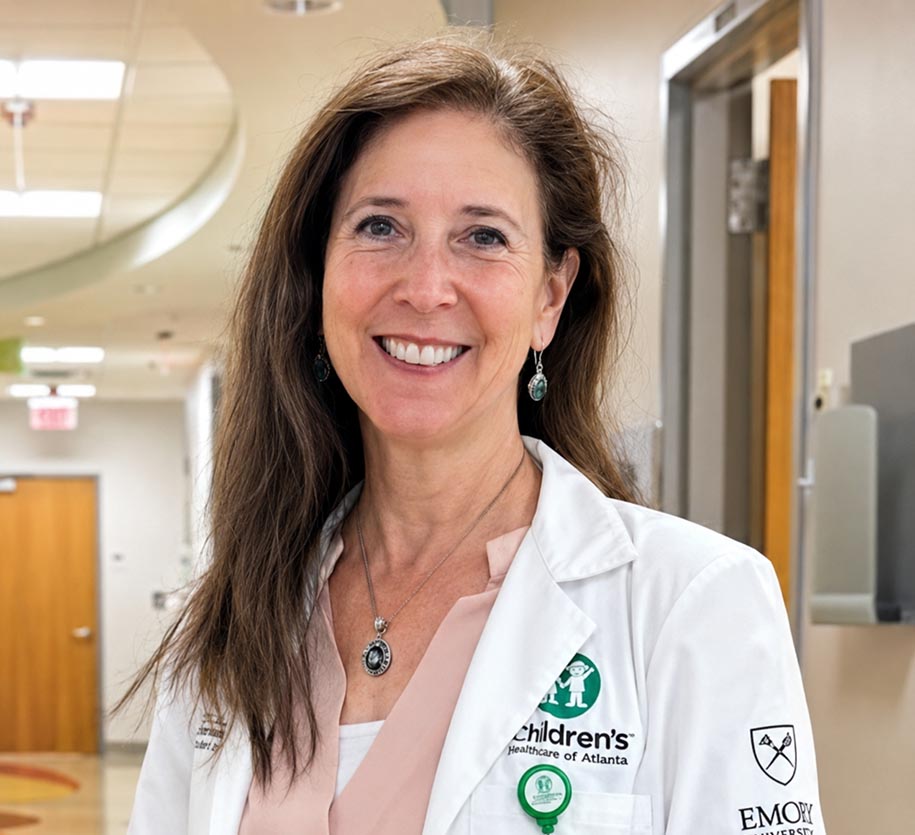
Shari Barkin, MD, MSHS, is the George W. Brumley Jr. Professor and Chair of the Department of Pediatrics at Emory University School of Medicine, the pediatrician-in-chief at Children’s Healthcare of Atlanta, and executive director of the Pediatric Institute. Dr. Barkin is a renowned expert in behavioral interventions, notably completing the longest pediatric obesity prevention pragmatic randomized controlled trial for underserved preschoolers. She led the first intervention trial in the Pediatric Research in Office Settings Network that reaches more than 3 million children across the country. Dr. Barkin has authored over 130 manuscripts, mentored more than 100 individuals and received numerous accolades, including election to the National Academy of Medicine in 2021. Her leadership roles include serving on the NIH National Advisory Child Health and Human Development Council, President of the Society for Pediatric Research, AAP Tennessee Pediatrician of the Year and President of the Board of Trustees for the International Pediatric Research Foundation.
Focus: Building identity, independence and networks through intergenerational mentorship
Description
This workshop supports early-career faculty in developing a scholarly and professional identity while actively engaging in bi-directional learning with mid- and senior-career colleagues. Participants will explore how to leverage mentorship — not only as mentees but as emerging contributors — to collaborative, cross-generational academic communities.
Learning Objectives
Participants will be able to:
- Develop a clear academic identity and trajectory by aligning personal goals with institutional expectations and opportunities for multi-generational collaboration.
- Build and sustain effective mentorship networks that include peer, senior and near-peer mentors to support career advancement and resilience.
- Apply strategies for promotion readiness by integrating scholarship, teaching and service with guidance from experienced faculty across career stages.
- Contribute to intergenerational learning environments by sharing new perspectives, skills and approaches (e.g., innovation, technology, pedagogy).
Speakers/Facilitators:
Associate Dean for Faculty; Professor, Departments of Medicine and Microbiology & Immunology
Michele Kutzler, PhD, is a tenured professor of medicine and microbiology and immunology, and the associate dean for faculty at Drexel University College of Medicine. She earned her BS in biology and education and PhD in microbiology and immunology from the Lewis Katz School of Medicine at Temple University, followed by a postdoctoral fellowship in gene therapy and vaccines at the University of Pennsylvania.
Dr. Kutzler leads a federally and industry funded research program focused on developing nucleic acid-based vaccines and molecular adjuvants to enhance the durability and quality of immune responses, particularly in aging populations. Her laboratory has advanced vaccine candidates for HIV, influenza, hepatitis C, C. difficile, and SARS-CoV-2, resulting in more than 70 publications, multiple patents and licensed technologies that have progressed to clinical trials. Her highly cited work has informed vaccine design strategies, clinical development pipelines and hospital infection control practices, and she is widely recognized for excellence in scientific leadership and mentorship. Her scientific contributions have been recognized through numerous honors, including induction into Alpha Omega Alpha Medical Honors Society and the College of Physicians of Philadelphia, and her receiving the Hospital Health System Association of Pennsylvania Safe Hands Award.
In her role as associate dean of faculty, Dr. Kutzler oversees appointment, promotion and tenure processes; faculty data and governance; and leadership and professional development programming at the College of Medicine. She created and directs Faculty Launch, a longitudinal leadership program for mid-career faculty. Nationally, she has served on the AAMC Group on Faculty Affairs (GFA) Steering Committee and chaired the GFA Research and Scholarship Committee, and she has published on mentoring models and faculty career self-management in academic medicine. She graduated from the Executive Leadership in Academic Medicine in 2018 and currently serves as a learning community advisor and the Institutional Action Project lead in professional development for ELAM/ELH.
Professor, Department of Medicine; Physician, Allegheny Health Network
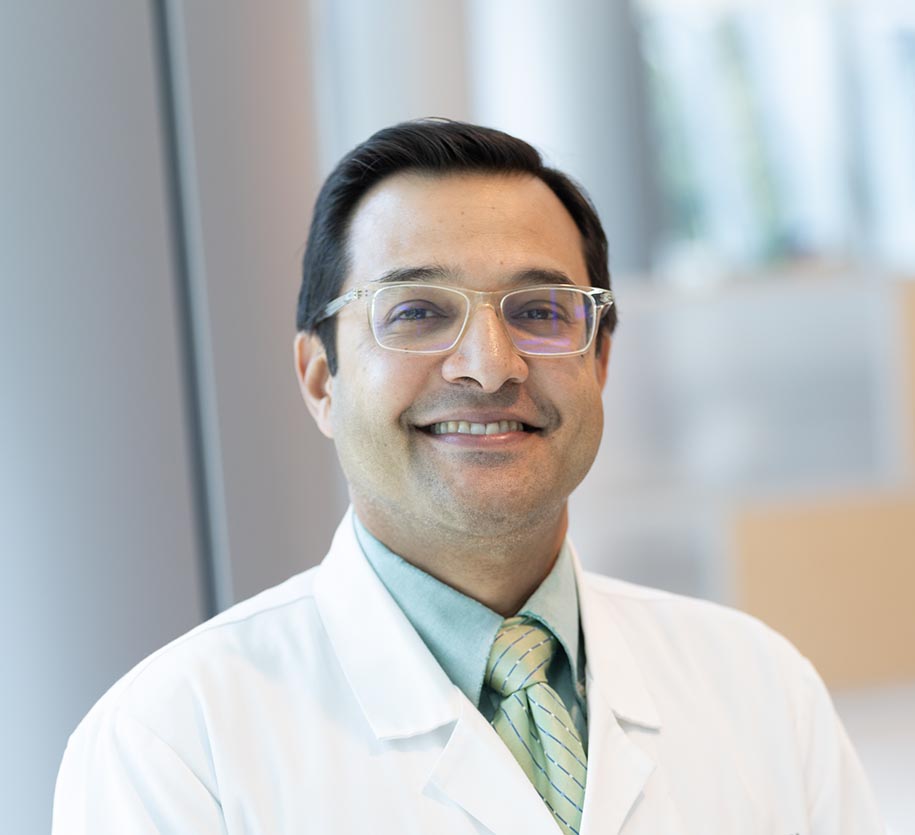
Dr. Nitin Bhanot is the chief of infectious disease (ID) and program director of the ID Fellowship program at Allegheny Health Network (AHN) in Pittsburgh, Pennsylvania. He is a professor of medicine at Drexel University College of Medicine.
Dr. Bhanot completed his internal medicine residency and ID fellowship training at Maimonides Medical Center in Brooklyn, New York. He holds a Master of Public Health degree from SUNY Downstate and a Master of Medical Management for Physicians from Carnegie Mellon University (CMU).
He is the faculty development officer for the Department of Medicine at AHN and directs a formal physician development program at AHN in collaboration with CMU.
Dr. Bhanot is involved with national academic organizations. He serves on the Longitudinal Knowledge Assessment Approval Committee for ID at the American Board of Internal Medicine. He is a fellow of the Infectious Diseases Society of America (IDSA), an alumnus of their Community of Leaders program, and a member of IDSA’s Curricular and Educational Resources Workgroup. He has contributed at the ACGME in developing milestones for ID fellows.
Workshop B: Mid- and Senior Career
Focus: Sustaining impact, leadership, and engagement through cross-generational partnership
Description
This session explores how mid- and senior-career faculty can reinvigorate their careers through mentorship, leadership and collaboration with emerging faculty. Participants will address challenges such as burnout and plateau while identifying opportunities to expand impact through intentional engagement across generations.
Learning Objectives
Participants will be able to:
- Advance toward promotion and leadership roles by leveraging their expertise to guide and collaborate with early-career faculty.
- Implement strategies to mitigate burnout and career plateau, including re-engagement through mentorship, sponsorship and new scholarly directions.
- Enhance scholarly impact and national visibility through collaborative, cross-generational research and educational initiatives.
- Strengthen mentoring skills by adapting approaches to meet the evolving needs of diverse faculty across career stages.
Speakers / Facilitators:
Pediatrician-in-Chief, Children’s Healthcare of Atlanta; George W. Brumley Jr. Professor and Chair, Department of Pediatrics, Emory University School of Medicine; Executive Director, Pediatric Institute
Shari Barkin, MD, MSHS, is the George W. Brumley Jr. Professor and Chair of the Department of Pediatrics at Emory University School of Medicine, the pediatrician-in-chief at Children’s Healthcare of Atlanta, and executive director of the Pediatric Institute. Dr. Barkin is a renowned expert in behavioral interventions, notably completing the longest pediatric obesity prevention pragmatic randomized controlled trial for underserved preschoolers. She led the first intervention trial in the Pediatric Research in Office Settings Network that reaches more than 3 million children across the country. Dr. Barkin has authored over 130 manuscripts, mentored more than 100 individuals and received numerous accolades, including election to the National Academy of Medicine in 2021. Her leadership roles include serving on the NIH National Advisory Child Health and Human Development Council, President of the Society for Pediatric Research, AAP Tennessee Pediatrician of the Year and President of the Board of Trustees for the International Pediatric Research Foundation.
Professor and Chief, Division of Pediatric Hematology and Oncology; Vice Chair for Faculty Development, Department of Pediatrics, Children’s Hospital of Richmond, VCU
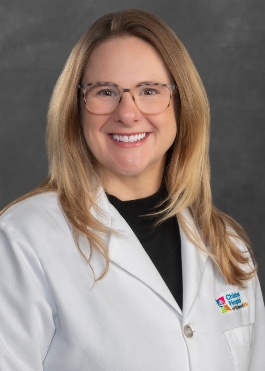
India Yount Sisler, MD, is a nationally recognized pediatric hematologist-oncologist, physician leader, researcher and educator dedicated to advancing care for children and adolescents with blood disorders and cancer. She serves as chief of the Division of Pediatric Hematology and Oncology at Children’s Hospital of Richmond at VCU and is a professor of pediatrics and vice chair for faculty development in the Department of Pediatrics at Virginia Commonwealth University School of Medicine.
A specialist in sickle cell disease, childhood cancer, and transition care for adolescents and young adults with hematologic disorders, Dr. Sisler has led the Comprehensive Pediatric Sickle Cell Program since 2009 and has played a pivotal role in expanding access to high-quality, comprehensive care throughout Central Virginia. Her clinical and research efforts have contributed to national initiatives focused on improving outcomes for patients with sickle cell disease, including studies on hydroxyurea adherence, patient-reported outcomes and transitions from pediatric to adult care.
Dr. Sisler’s research has been supported by the National Institutes of Health and other major funding organizations, and she has authored more than 60 peer-reviewed publications and presentations. Equally committed to education and mentorship, she has guided numerous residents, fellows and junior faculty members, helping shape the next generation of pediatric healthcare leaders.
Workshop C: Senior Leaders (Academic Chairs, Regional Deans, Senior Leadership)
Focus: Legacy-building, leading in times of uncertainty and cultivating intergenerational culture
Description
This interactive workshop engages senior leaders in case-based learning activities to explore how intergenerational collaboration can be leveraged to address complex challenges across the academic mission including education, research, clinical care and community engagement.
Participants will work through realistic leadership scenarios that require navigating uncertainty, aligning priorities across missions and integrating diverse generational perspectives. Emphasis will be placed on building sustainable leadership pipelines, strengthening cross-mission collaboration, and advancing a culture of shared learning and institutional resilience.
Learning Objectives
Participants will be able to:
- Develop and implement mentorship and sponsorship strategies that intentionally connect faculty across career stages to strengthen leadership pipelines and ensure continuity across missions.
- Apply intergenerational leadership frameworks to case-based scenarios, integrating diverse perspectives to solve complex, cross-mission challenges in education, research and clinical operations.
- Design strategies to enhance cross-mission collaboration, breaking down silos and aligning faculty efforts to address institutional priorities and emerging challenges.
- Cultivate adaptive leadership approaches in times of uncertainty, using collaborative problem-solving and shared decision-making to maintain engagement, innovation and long-term impact.
Speaker/Facilitator
Dean for Faculty Affairs and Professor of Pathology, Geisel School of Medicine at Dartmouth
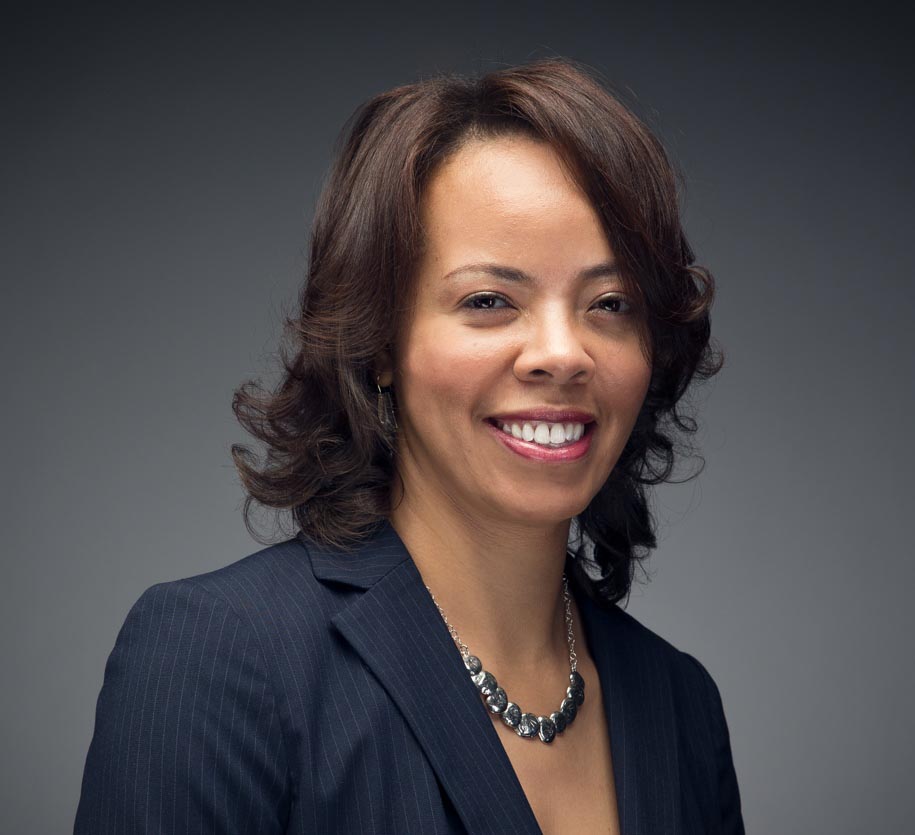
Erika T. Brown, PhD, is dean of faculty affairs at the Geisel School of Medicine at Dartmouth and professor of pathology and laboratory medicine. She also serves as associate director of the ELAM program and was a 2014-2015 fellow. Dr. Brown has held faculty and administrative appointments at the Medical University of South Carolina and Morehouse School of Medicine, where she rose from inaugural associate dean to senior associate dean. A nationally recognized expert in faculty affairs and professional development, she is also a certified executive and leadership coach. She has been active in the AAMC Group on Faculty Affairs since 2013 and served on its National Steering Committee from 2018 to 2021. Her NIH- and DOD-funded research focuses on BRCA1/2, DNA repair and breast cancer. She is an inaugural fellow of the Ivy+ Faculty Advancement Network leadership program and has received numerous honors for research, teaching, leadership and service.
Back to Top