Alumni Help Students Find a Path: Drexel’s Career Exploration Clerkship
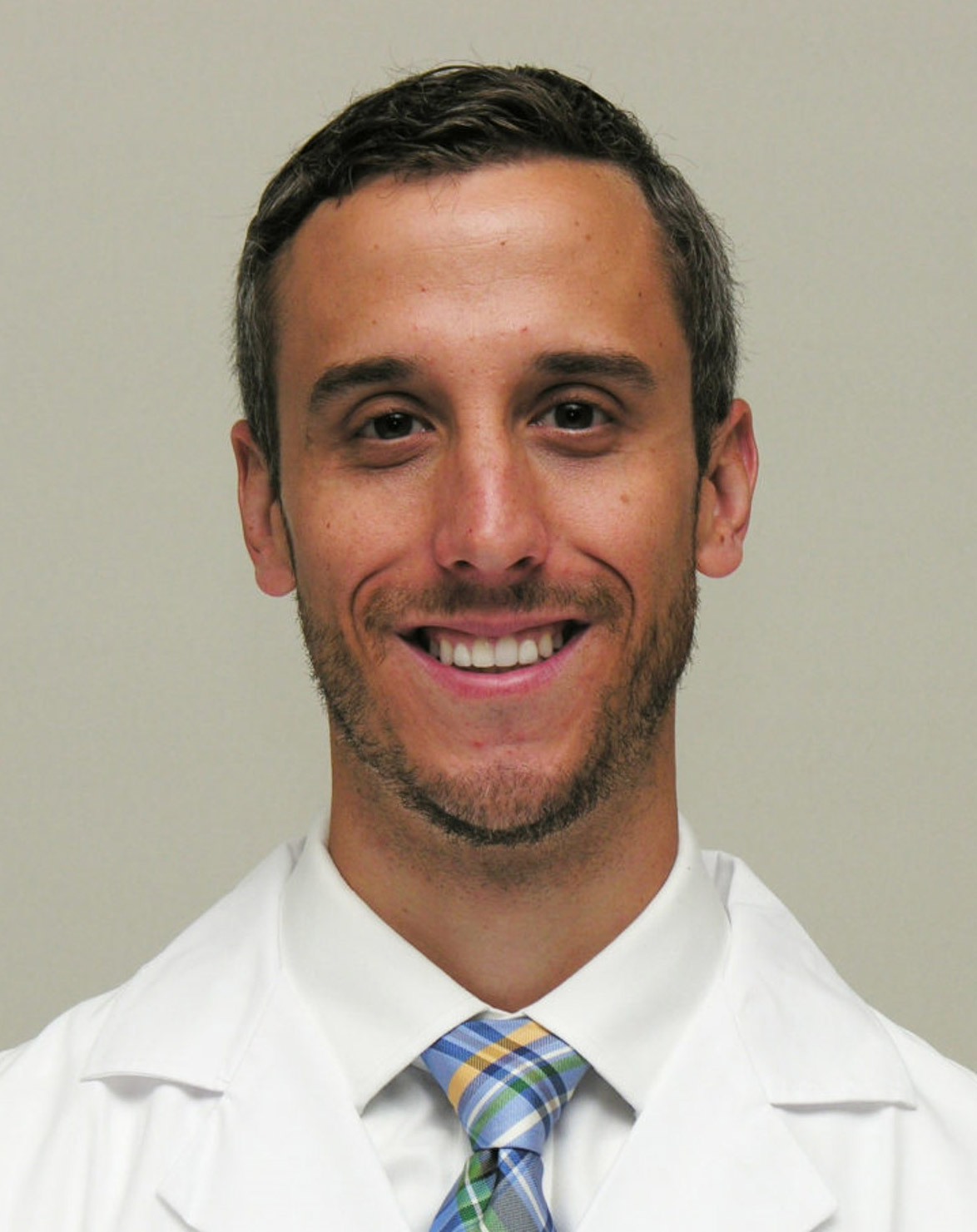
Paul Yerkes, MD ’16
In medical school, so much happens during clinical rotations — the development of clinical skills, the chance to put theory into practice, the opportunity to forge meaningful professional relationships — that for many it is the defining moment of their education. Other students, however, finish their rotations with more questions than answers.
During the 2024-2025 school year, the College of Medicine implemented a Career Exploration Clerkship as an additional experience for third-year students, based on feedback that students wanted more information about additional specialties and career choices. Less formal and structured than traditional clinical rotations, the emphasis here is not just exposure to clinical practice across disciplines but insight into how professional journeys are forged and sustained.
FINDING A MATCH
To launch the program, co-course director Amy Fuchs, MD, associate professor of medicine and associate dean of student affairs for career advising at the College of Medicine, put out a request to potential volunteers willing to have students shadow them in their hospitals, offices, clinics and other care settings, for any duration of time.
Paul Yerkes, MD ’16, co-owner of Core Family Practice, a direct primary care practice in Kennett Square, heeded the call. “I’m adamant about the direct primary care model and getting new doctors into primary care as well as private practice,” he says. “So when I first heard about this new clerkship, it seemed like a perfect opportunity.”
Participating students, meanwhile, were asked to rank specialties that interested them and were then matched with physicians to shadow.
“I ranked in primary care, so they connected me with Dr. Yerkes,” says third-year student Basira Iginla, who spent several days at Core Family Practice.
Before officially starting medical school, Iginla was open to many specialties, and particularly interested in public health and advocacy. When it comes to primary care, it’s the continuity of care that appeals to her, in addition to the opportunity for entrepreneurship, a topic she has examined in an independent research study about physician business owners.

Basira Ignila, MD ’27
“Often as medical students, as our education advances, we don’t necessarily look at primary care because we’re looking at more specializations, but primary care is a foundation of medicine, and it sets a standard for how we should treat patients — the more you know about a patient the more you can set a personalized plan of care,” she says.
Fellow third-year student George Nolan, who plans to go into cardiology and who was also matched with Yerkes, was interested in exploring primary care during the experience.
“Continuity of care is similar in primary care and cardiology, so 6 that was good to see, and reinforced for me the value of that,” he says. “At the same time, the direct primary care practice is a different health care model than you typically would get exposure to as a medical student, and while I likely won’t start my own direct primary care business, I thought it was pretty valuable to learn how it works.”
A NEW MODEL FOR MENTORSHIP
During Yerkes’ own medical education, clinical rotations were an important inflection point in finding his preferred specialty. He was not interested in family medicine or primary care initially, but as he got more experience on the floor with patients, he found himself drawn to OB/GYN and family medicine — not just for the continuity of care but for the general breadth of knowledge required, and the self-determined pace of private practice.
However, not all of his peers in medical school had an obvious pathway to their specialty. He sees a distinct advantage to the additional shadowing the new clerkship offers students — the more mentors, the better.
“The Career Exploration Clerkship gives you more opportunities to find yourself,” he says. “If you only have one exposure to family medicine, and it’s with a burned-out family medicine doctor, then your perception of family medicine is going to be negative. But if you get exposed to somebody who’s really passionate about that specialty, then you’re going to be more likely to consider it.”
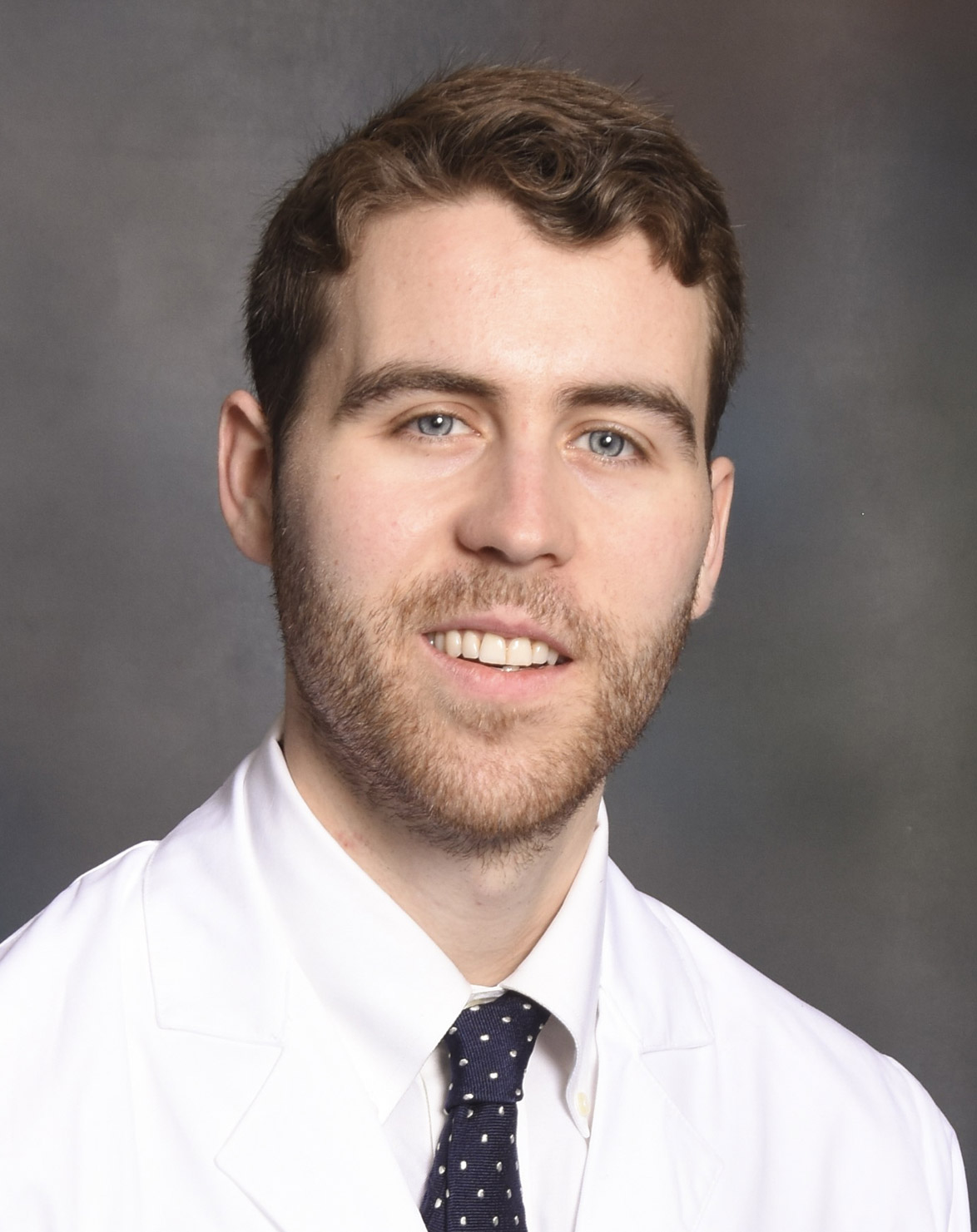
George Nolan, MD ’27
The relative brevity and one-on-one structure of the clerkship affords the students and the physicians they shadow flexibility to shape it to their needs. Yerkes says he would gauge the student’s level of interest and tailor their experience accordingly. When he met with students who were demonstrably interested in hands-on learning, he encouraged them to meet with patients. For students interested in the business of running a private practice, he would set aside time to show them profit and loss sheets and talk about marketing initiatives.
“Right away, Basira was asking really deep questions about how I manage team members, or how I handled maternity leave for staff,” he says. “My hope is to really push med students to be that physician leader, whether it be in a private practice or in an institution. There’s no reason we can’t be business leaders and entrepreneurs.”
At the same time, Iginla observed a particularly instructive case on one of her days in the clinic. An older male patient came in with shortness of breath and signs of weakness. When Yerkes and Iginla examined him, it became clear that he needed to go to the emergency room. He was transferred and underwent surgery that night.
“It’s a spectrum of care — you get such a variety of diagnoses and different comorbidities during our day-to-day work,” Yerkes says. “And I was able to follow up with the patient in the hospital and then share the notes with Basira, so she could get the whole story of what happened.” He adds that the patient is stabilized and has improved greatly.
LEARNING IN THE MOMENT
For his part, Nolan came away with valuable lessons of his own. He observed that it’s not just the continuity of care that distinguishes primary care but also, in the case of Core Family Practice, the ability to devote more time to each patient.
“One thing that I definitely took away was how important it is to spend extra time with patients. Dr. Yerkes was able to connect and listen, and really build a rapport,” Nolan says. “This can be hard to do in other settings and with other models, when you have to meet a lot of patients in a day, but I could see up close what a difference it made to their care and to their relationship with him. He would often talk about mindfulness, and you could tell that he truly values the emotional health of his patients.”
The inclusion of mindfulness inspired Nolan, who has employed it during his first two years of medical school in his work volunteering as clinic coordinator at a Drexel Health Outreach Project site for smoking cessation at Whosoever Gospel Mission, which provides housing for men recovering from drug and alcohol abuse. Unlike a clinical rotation, there are no grades attached to the Career Exploration Clerkship, so students can focus on the immediate experience of learning without the pressure of being evaluated or critiqued by the attending physician. “This clerkship is designed for your own experience and edification, which makes it an enriching opportunity,” Nolan says.
At the close of their clerkship, both students came away with lessons that will inform their career choices and potentially mold their approach to medicine.
“It’s important as a med student to be open to anything and everything,” Iginla says. “Every mentor you encounter can give you a different type of awareness.”
“Building a relationship with a practicing physician can help you find new opportunities, whether that’s in research or clinical work,” Nolan says. He also recalls that Yerkes was open to his thoughts and ideas, which was empowering at an important point in his training. “In this stage of our education, it’s still easy to feel imposter syndrome. But this person who is guiding you is where you want to be, and they believe that you can do what they’re doing. It makes this process feel that much more achievable.”