Reflections on My Summer With OCHIE
By Solomon Wekunga
This summer, I had the privilege of serving as a student coordinator for community health events with the Office of Community Health and Inclusive Excellence (OCHIE). Over the course of several months, I participated in a wide range of community health events across Philadelphia. Each event brought its own lessons, challenges and moments of inspiration. Looking back, I realize how much this experience has shaped both my perspective as a medical student and my commitment to service.
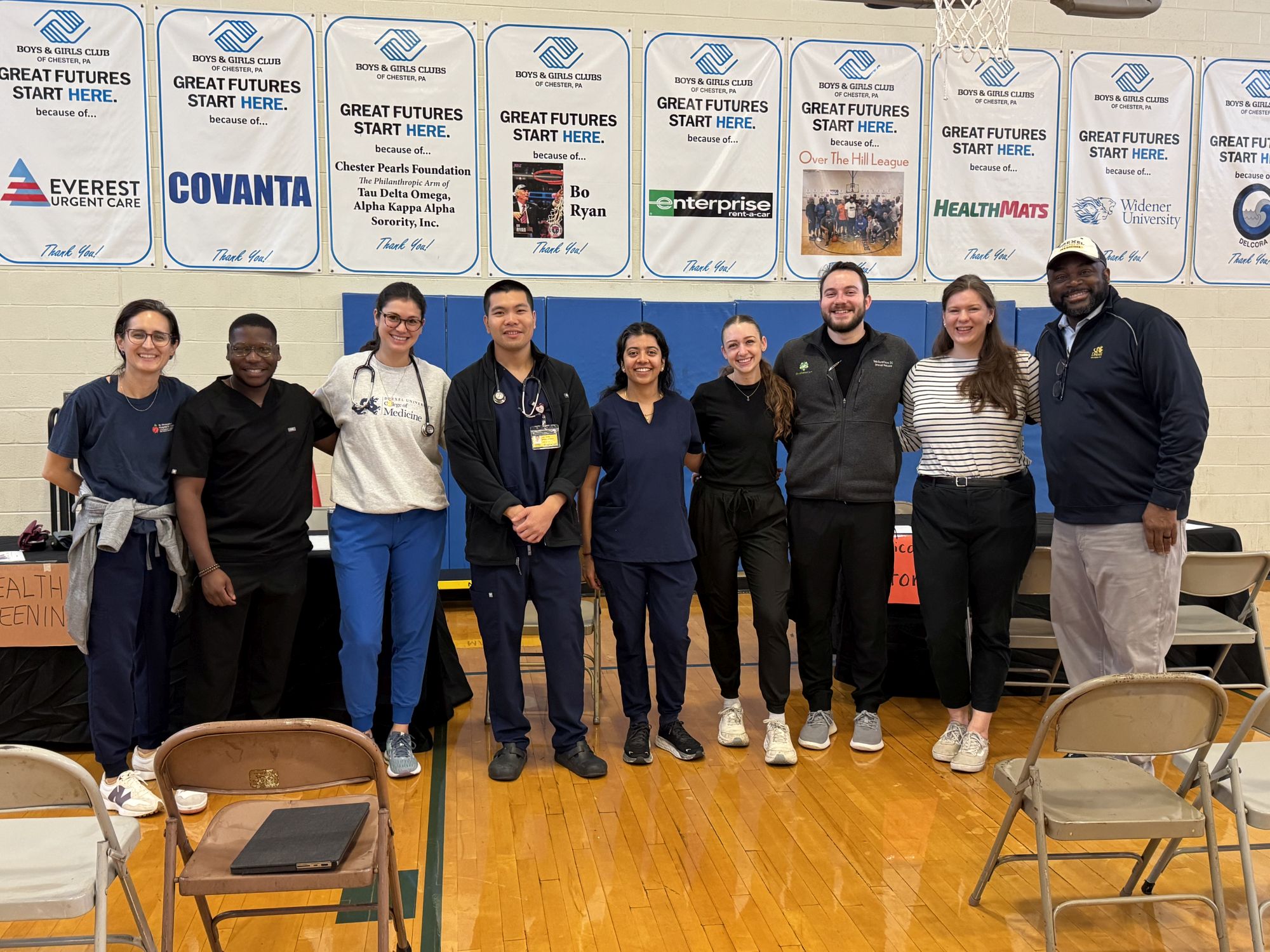
One of my first events was the Prostate Cancer Men’s Health screening, where turnout was limited. While the scale of the event was modest, it pushed me to think about preparation, resource management and what data we needed to collect to maximize impact. From there, I found myself at slightly larger community events like the Spring Garden Festival at the Drexel Dornsife Center. These experiences highlighted the importance of collaboration — not just with fellow College of Medicine students, but with other community partners. It was inspiring to see how multiple efforts could align to make a bigger difference.
As the summer went on, the events grew in scale and complexity. At the Community in Action Festival, I had the chance to collaborate with medical students from Temple and PCOM. For me, it was eye-opening to recognize that even though we were from different schools, we shared a common goal: serving the community. That sense of solidarity deepened at the Cities Changing Diabetes event at Vine Memorial Baptist Church. There, I witnessed the power of trust within a community. People did not need to be persuaded to get screened. They came forward willingly, demonstrating how strong relationships can drive participation in health. I noticed this same sense of trust at other church-based health events and at community centers like the Drexel Dornsife Center. When events were led by trusted community members, there was a stronger feeling of connection and assurance and thus more participation.
The Black Men’s Wellness Day at Temple University was a turning point for me. It was the largest health fair I had ever participated in. There were over 3,000 attendees and we provided more than 400 biometric screenings. A variety of other screenings were offered, including kidney disease, prostate cancer, colon cancer, peripheral artery disease screenings and vision exams. There were 102 nephrology tests, 105 prostate screens, 75 colon screens, 84 vision exams, 31 spirometry tests and 20 peripheral artery disease screens. At this event, I found myself stepping into a more active leadership role. I coordinated supplies, supported volunteers and answered questions without needing to rely on my supervisors. I realized how much I had grown since my first event. It was also one of the first times I felt like a true bridge — connecting students, volunteers and community members in real time to keep the health screenings running smoothly.
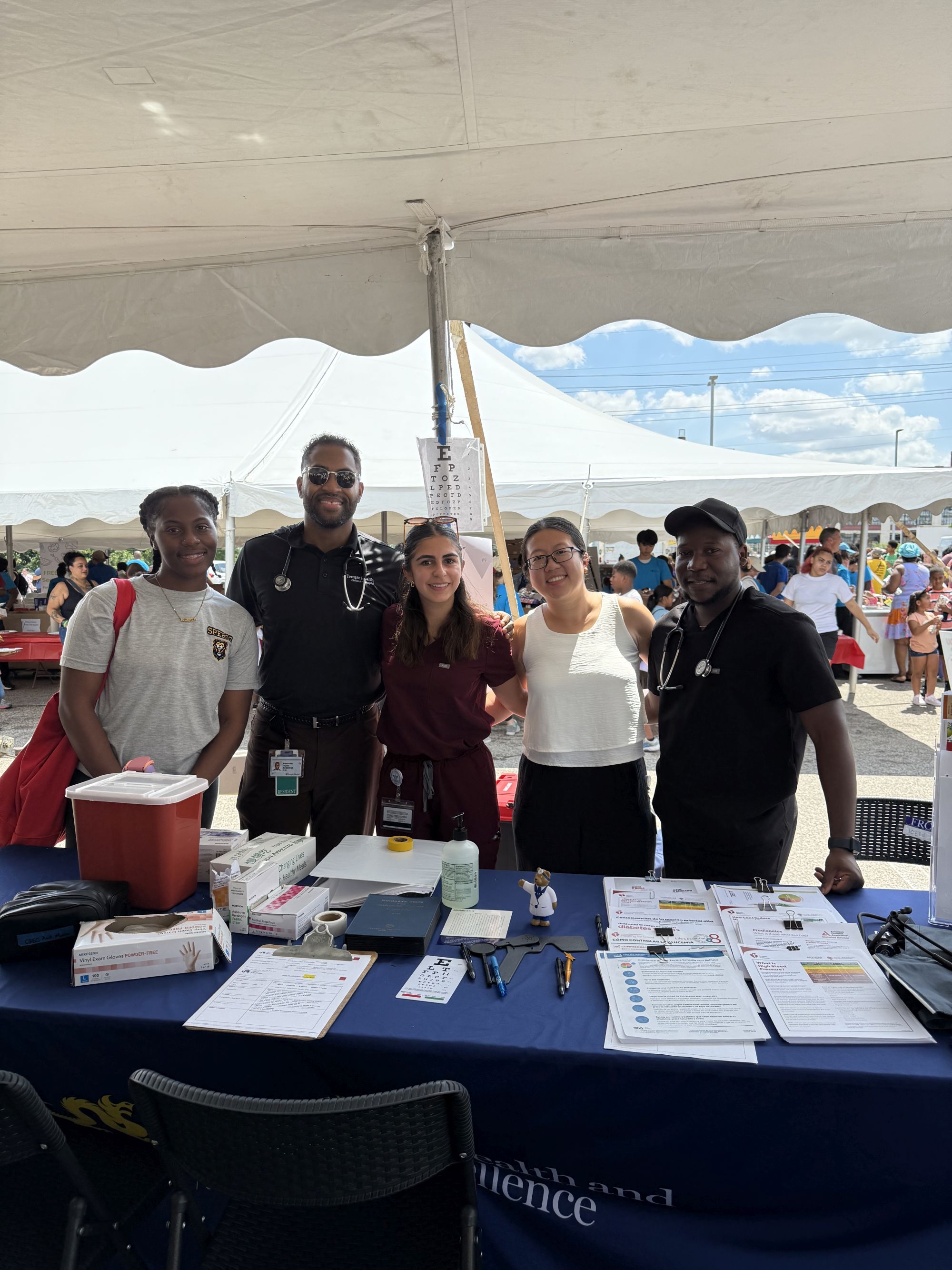
From there, the momentum continued. At the Chinatown health fair, I experienced firsthand how critical language access is in care delivery. Having previously seen how language barriers can leave patients feeling unheard and disengaged, and as an immigrant myself, this experience was especially meaningful. Thanks to volunteer translators, we were able to reach a population that otherwise might have been excluded. Similarly, the Together for Chester community event revealed the devastating ripple effects of hospital closures. Talking with patients who had lost not only their providers but also their insurance underscored how fragile health systems can be, and how vital community-based initiatives are in filling the gaps.
There were lighter moments too — handing out Frisbees to kids at the Powel 5K, watching the community dance at the Beats & Wellness event, and connecting with residents who shared their personal stories. One particularly moving moment came at St. Christopher’s Hospital for Children, where I met a young girl, not even ten years old, who wanted her blood pressure measured. She told us she dreamed of becoming a doctor so she could help people like her deaf mother. Watching her interpret in sign language and speak with such conviction reminded me of why representation matters in medicine, and why it’s so important to plant seeds of inspiration early.
Not every event went perfectly. There were times when supplies ran out, when volunteers weren’t sure what to do, or when weather forced us to scramble. But each challenge was a lesson in adaptability and leadership. I learned how to improvise, how to delegate and how to make sure the work continued even when circumstances weren’t ideal. Most importantly, I learned how to listen: to community members, to my peers and to the broader lessons hidden in each experience.
By the end of the summer, I had been part of more than a dozen events, from small church fairs to city-wide clinics. Beyond the numbers, what stays with me are the faces, the stories and the sense of connection that comes from serving side by side with others. This experience has strengthened my resolve to pursue a career in medicine that combines clinical skills with community engagement. It has shown me that being a physician is about more than treating illness. It is about building trust, showing up consistently, and making health care accessible where it is needed most.
I am deeply grateful for the mentorship and guidance I received from Dr. Annette Gadegbeku and the OCHIE team. This summer was more than just an opportunity to serve; it was a chance to grow into the kind of physician I hope to become: one who is grounded in community, committed to equity and ready to lead with both skill and compassion.