Community Lawyering Clinic
Sections:
Practice Law Through Neighborhood Partnerships
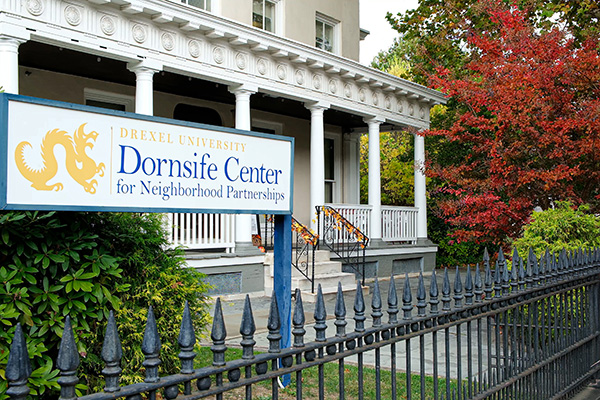
The Community Lawyering Clinic (CLC) partners with West Philadelphia residents to make justice easier to reach. Based at Drexel University’s Dornsife Center for Neighborhood Partnerships, the clinic helps families safeguard their homes, pursue second-chance relief such as parole, commutation and pardons, and engage in social-justice efforts that support long-term community well-being.
Students meet with clients, research legal issues, draft documents and represent individuals under faculty supervision. Through these experiences, they learn that advocacy starts with listening and grows by building trust.
This hands-on approach connects classroom learning to the realities encountered each week at the Dornsife Center, where students meet residents and discover what it means to be a lawyer working alongside a neighborhood.
At the heart of community lawyering is cultivating relationships with people and building trust in community spaces.
Lauren Katz Smith, clinic director
^Top
The clinic shares space with neighborhood programs at Drexel’s Dornsife Center, where residents stop in with questions about property, benefits or employment. Students are often the first point of contact. They listen, gather facts and offer guidance.
Because the clinic runs year-round, students see how sustained work builds trust and momentum. They follow cases across semesters and learn to balance professionalism with compassion.
By putting students, lawyers and community members at eye level, the Clinic has shown me what can be done just by encouraging genuine communication and understanding.
Collin Danz, JD ’26
^Top
Areas of Focus
As the clinic shifts to address community needs, students handle cases and projects in key focus areas identified by residents. This responsiveness keeps their work relevant and deeply rooted in neighborhood concerns.
- Post-Conviction and Second-Chance Advocacy: Students represent clients seeking parole or commutation and help with reentry efforts through ongoing work at correctional institutions across Pennsylvania.
- Housing and Homeownership Rights: Students work with residents to resolve tangled titles, draft estate planning documents and prevent foreclosure, helping protect family homes and preserve generational stability.
- Economic and Employment Justice: The clinic helps clients facing workplace discrimination and works with local groups to support fair and inclusive employment practices.
This casework also informs research and policy projects aimed at addressing broader barriers to justice.
Preparing a client for his parole hearing showed me that advocacy isn’t just about citing law—it’s about helping someone be fully seen at the moment it matters most.
Emily Carrazana, JD ’27
^Top
Advocacy and Research
Beyond individual representation, the clinic works on policy and research projects to contribute to broader change in the community.
Recent and ongoing projects include:
- Post-Conviction Advocacy for Clients with Severe Dementia: Litigating a Post-Conviction Relief Act (PCRA) claim that a life-without-parole sentence constitutes cruel and unusual punishment under the Eighth Amendment.
- Pandemic in PA’s Prisons: A report recommending the release of vulnerable and elderly incarcerated individuals to curb the spread of COVID-19 in state prisons during the pandemic.
- Challenging Cash Bail Practices: Filing an amicus brief in support of the ACLU’s case addressing systemic abuses of Philadelphia’s cash bail system.
- Legal Education Workshops: Training community members on their rights as job applicants, homeownership protections, and estate planning.
- Zoning Matters Handbook: A guide to help residents navigate zoning laws and advocate for their communities.
- Access to Clean Water: Investigating water shutoffs and presenting findings at a public hearing, leading to media coverage and policy discussions.
- Community Advocacy in Development: Equipping residents with tools to make decisions about local projects and neighborhood changes.
- Compassionate Release Reform: Researching and recommending policy changes to expand early release eligibility for terminally ill incarcerated individuals.
- Police Accountability: Contributing to a United Nations report on police shootings in Philadelphia.
^Top
Emerging Projects Shaped by Real Needs
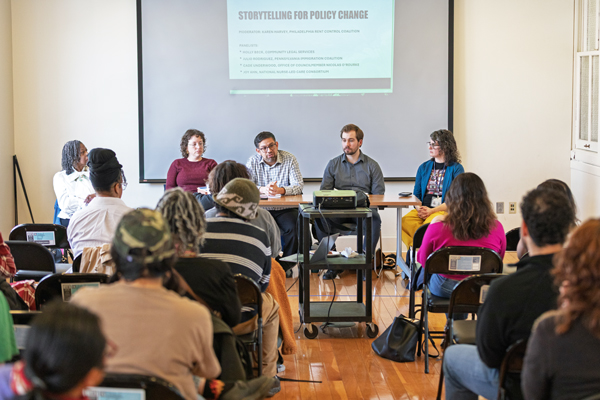
The clinic’s work continues to grow through ideas that originate with residents and students. Each developing project reflects issues the neighborhood identifies as most urgent.
Current and developing initiatives include:
The clinic also connects Drexel undergraduates to its outreach through a tenants’ rights and organizing course taught at the Dornsife Center, where students can learn directly from the neighborhood context.
^Top
Why It Matters
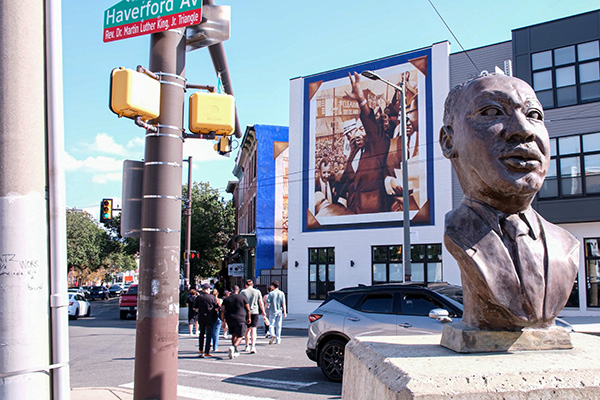
The Community Lawyering Clinic shows how legal education grows from real relationships. Working side by side with their neighbors, students see how justice takes shape through everyday interactions and sustained effort.
As Professor Katz Smith reminds her students, community lawyering moves at the speed of trust—a pace shaped by listening, patience and presence.
Each new year brings new students and partnerships, but the mission remains the same: Use the law as a tool for connection and repair. Students come to understand how their clients’ individual challenges intersect with, and are often intensified by systemic inequities within the legal system. It means recognizing both the limits of the legal system and the ways we can use it creatively and strategically for people who are too often marginalized by it.
In the Community Lawyering Clinic, students learn to see the law not only as a tool for problem-solving but as a lever that, when used in genuine partnership with communities, can advance equity, accountability, and lasting change.
^Top
Community members and organizations looking for information or support should call the clinic. All intake is done over the phone.
Contact Information
- Phone: 215-571-4019 or 215-571-4020
^Top