What is a PhD in Environmental Health Sciences (EHS)?
The Doctor of Philosophy (PhD) in Environmental Health Sciences (EHS) offered at Drexel University Dornsife School of Public Health is an advanced research doctorate program that equips students with the skills to identify, examine, and respond to important environmental and occupational health challenges.
This doctorate program trains students with the skills necessary to perform scientifically rigorous research to address pressing environmental and occupational health issues. Graduates of our STEM-designated program are well-prepared to assume leadership roles as public health scientists, researchers, and educators.
Current Drexel Dornsife students pursuing a PhD in environmental health are focused on climate change-related environmental exposures, chronic psychological stressors, and water quality, among other research interests.
Drexel Dornsife's PhD in Environmental Health Sciences will not be offered to new applicants in the 2026-2027 recruitment cycle.
Interested students are encouraged to check back here in August 2027 for information about the next admissions cycle.
Why Should You Study Environmental Health Sciences?
There are many compelling reasons to study environmental health and occupational health. Students seeking a PhD in EHS have the potential to pursue the following:
- Tackle Climate Change Impacts: Understand and mitigate the health effects of climate exposure, including extreme weather events, vector-borne diseases, and food insecurity.
- Prevent Workplace Harm and Injury: Design safer work environments and promote policies that reduce occupational hazards and protect workers' rights.
- Influence Policy and Regulation: Contribute to evidence-based policies at the local, national, or global level in topics such as sustainability, environmental exposure, and workforce wellness.
- Global Relevance: Address worldwide concerns like industrial pollution, infectious disease, and occupational hygiene in developing regions.
- Research Opportunities: Engage in cutting-edge studies on chemicals, air quality, autism, built environment, and more.
- Community Impact: Advocate for communities disproportionately affected by environmental hazards and unsafe working conditions.
Why Pursue an Environmental Health Sciences PhD at Drexel Dornsife?
Drexel Dornsife’s PhD in Environmental Health Sciences program offers a variety of unique benefits that prepare students for career advancement in public health and professional skill development:
- Access to Renowned Faculty: Students engage with the Department of Environmental and Occupational Health faculty members, who conduct research on the ways that physical, chemical, radiological, and biological factors in the environments in which we live and work affect health, as well as ways to protect the health of communities and workers.
- Financial Support: Full-time students with research fellowships or graduate assistantships receive full tuition, 12-month stipend, and health insurance.
- Mentorship: Students are paired with outstanding public health faculty mentors with expertise in environmental and occupational health.
- Teaching and Research Opportunities: Students have hands-on opportunities to improve their professional skills.
- Cohort Size: Small cohort size ensures favorable faculty-to-student ratio.
- Reputation: Drexel University Dornsife School of Public Health is the #1 graduate school of public health in Philadelphia and accredited by the Council on Education for Public Health (CEPH).
Upon graduation of the PhD in Environmental Health Sciences program, students will develop competencies in the following areas:
- Evaluate basic principles related to environmental and occupational exposure assessment – including sources and characteristics of exposures, mechanisms, and methods for measuring and examining physical, chemical, biological, psychosocial and/or other exposures potentially related to human health
- Analyze relationships between exposures and human health, including variation in impacts by social, behavioral, psychosocial, and other susceptibility factors
- Search and critically evaluate literature to synthesize information, identify major gaps in knowledge, and formulate statement of research problem and hypothesis
- Formulate testable hypotheses about critical knowledge and evidence gaps in environmental and occupational health
- Develop valid and reproducible study designs, including data collection strategies to test hypotheses using novel or current methods
- Apply appropriate and rigorous methods to analyze and interpret original data
- Communicate research results through scientific manuscripts, presentations, and other forms to both scientific and lay audiences
- Assess risks associated with physical, chemical, psychosocial or other exposures in environmental or occupational settings, and identify appropriate policies and other interventions for preventing or reducing these risks
To learn more about the Environmental Health Sciences PhD program, request more information to speak with an academic advisor today.
Request more information
The PhD in Environmental Health Sciences Program seeks students who are interested in performing scientifically rigorous research to address pressing environmental and occupational health issues. The doctoral program offers a broad range of opportunities to learn and participate in research.
Drexel Dornsife's PhD in Environmental Health Sciences will not be offered to new applicants in the 2026-2027 recruitment cycle.
Interested students are encouraged to check back here in August 2027 for information about the next admissions cycle.
Admissions Requirements for the Environmental Health Sciences PhD Program
Applicants to the PhD in Environmental Health Sciences program at Drexel University's CEPH-accredited Dornsife School of Public Health must meet the following requirements:
- Completed master’s degree with a concentration in public health or related sciences, or a completed bachelor’s degree with public health related work experience.
- Successful completion of undergraduate- and/or graduate-level coursework in epidemiology, biostatistics, environmental sciences, health policy, social sciences, and/or geography.
- Evidence of prior research or public health practice experience.
Students will be admitted on a competitive basis, and those with a demonstrated ability to integrate public health competencies and skills into public health practice will be preferred.
PhD in Environmental Health Sciences Application Requirements
In order for your application to the PhD in Environmental Health Sciences program to be reviewed, applicants must submit the following documents:
- Online application
- Official transcripts from every college-level institution you attended (academic records from institutions outside the U.S. must undergo a credentials evaluation).
- English proficiency test score (TOEFL, IELTS) if applicable for international public health applicants
- Three letters of recommendation from faculty or professionals who can evaluate the applicant’s potential for doctoral studies
- Resume or curriculum vitae
- Statement of Purpose and Objectives (including career goals, doctoral research interests and fit with a desired faculty mentor)
- Writing sample
A note on official GRE scores: GRE scores are not required for admissions decisions and are not reviewed if submitted. The Admissions Committee evaluates candidates based on a holistic and overall assessment of the required application materials.
Applicants to the PhD in EHS program should submit their application and all materials through SOPHAS – the Centralized Application Service for Public Health.
To learn more about admissions and application requirements for the PhD in EHS program, please visit the page below.
Learn more about Application and Admissions requirements
Environmental Health Sciences PhD Program Curriculum
The Environmental Health Sciences PhD program curriculum is rooted in hands-on research and analysis that encourages students to respond to significant environmental and occupational health challenges, while serving as leaders in the public health field.
Throughout the program, students will develop a course of study that will build their skills in areas including:
- Environmental Exposure Assessment
- Occupational and Environmental Epidemiologic Methods
- Toxicology
- Relationships Between Exposure and Human Health
- Study Design
Required Courses to Complete a PhD in Environmental Health Sciences
The PhD in Environmental Health Sciences program requires two academic years of structured coursework, consisting of required core courses in the Drexel Dornsife School of Public Health, as well as directed dissertation research.
Required core courses in the program include:
- BST 5001 Introduction to Statistical Computing - 3 credits
- BST 5003 Intermediate Biostatistics I - 3 credits
- CHP 8001 Community-Based and Participatory Research - 3 credits
- EOH 8002 Toxicology and Health Risk Assessment - 3 credits
- EOH 8004 Exposure Science in Environmental Health - 3 credits
- EOH 8005 Occupational and Environmental Epidemiology - 3 credits
- EPI 5001 Intermediate Epidemiology - 3 credits
Additional Coursework for Environmental Health Sciences Graduate Students
Through electives PhD students have the opportunity to specialize in areas such as:
- Environmental epidemiology
- Injury prevention and control
- Occupational health and safety
- Community-engaged research
- Exposure assessment
Students should consult with their faculty mentor on all elective selections. Elective coursework must be aligned with the student's research interests and dissertation focus.
Degree Requirements for the Environmental Health Sciences PhD
To graduate with a PhD in Environmental Health Sciences, students must meet the following academic requirements:
- A minimum of 41 (post-master's) semester credit hours
- Completing a dissertation of publishable quality
- Passing the final defense
To learn more about the PhD in Environmental Health Sciences curriculum and to see plans of study, please follow the links below.
Review degree requirements and required courses
Browse recent dissertation titles
How Long Does a PhD in Environmental Health Sciences Take?
A typical plan of study for the PhD in Environmental Health Sciences suggests a sequence of courses over a four-year period. Each student regularly meets with their faculty mentor to
implement a plan of study that best suits their needs.
A student in the PhD in EHS degree program has up to seven calendar years to complete and successfully defend their dissertation.
What Can You Do With a PhD in Environmental Health Sciences?
Graduates of the PhD in Environmental Health Sciences program enjoy successful careers in environmental health organizations, as well as corporate and policymaking organizations engaged in the field.
A PhD in Environmental Health Sciences prepares individuals for unique career paths and leadership opportunities, including:
- Environmental Health Scientist
- Environmental and Occupational Epidemiologist
- Industrial Hygienist
- Occupational Health and Safety Engineer
- Project Director
- Researcher
- Educator
A PhD in Environmental Health Sciences provides a unique opportunity for a career focused on creating healthier environments in communities and workplaces.
Where Can You Work With a PhD in Environmental Health Sciences?
Current students pursuing a PhD in environmental health have a wide range of research interests and backgrounds, and our alumni pursue careers in many different settings. Places that individuals with a PhD in environmental health can work include:
- Academica
- Research
- Government
- Corporate organizations
- Laboratories
PhD in Environmental Health Sciences Salary Scale
While salaries can range across industries, the median annual wage for Health and Safety Engineers was $109,660, for Environmental Scientists was $80,060, and for Epidemiologists was $83,980 in May 2024, according to the Bureau of Labor Statistics.
Develop the skills to become a public health leader and address pressing environmental and occupational health challenges. Start your PhD in Environmental Health Sciences application from the CEPH-accredited Drexel Dornsife School of Public Health today.
Apply today

EOH Doctoral Students
Drexel's environmental and occupational health PhD students are examining critical problems in modern environmental health and occupational health.
Meet current students
PhD in EOH Student Handbook
Learn more about Drexel Dornsife's PhD in Environmental and Occupational Health program, including mentoring, curriculum, dissertation process, and academic policies:
Student Handbook
Paying for Your Public Health Degree
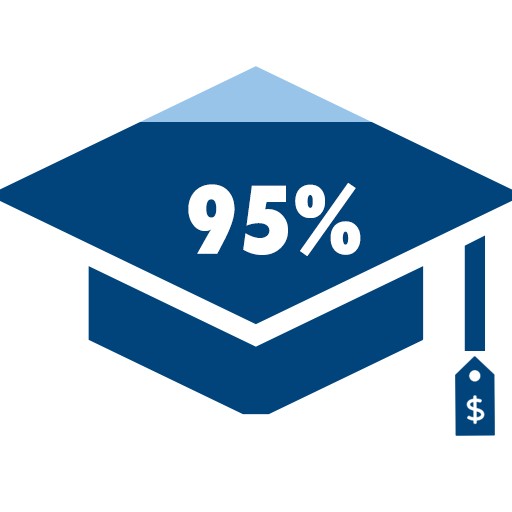
Ninety-five percent of PhD students receive tuition remission, stipend, and health insurance.
In general, PhD students finance their education through a variety of sources, and the Dornsife School of Public Health provides financial support through training grants, scholarships, stipends, and working as a teaching or research assistant.
Explore scholarships and financial aid