Drexel Alumni Shape the Next Generation of Pathologists’ Assistants
September 17, 2026
Kelly Lozier, MS, PA(ASCP), and Krista Mingione, MS, PA(ASCP), both graduated from the Drexel University College of Medicine Pathologists’ Assistant (PathA) program in 2017 and have since returned to the College to take on leadership roles in the program. Today, Lozier serves as program director, and Mingione serves as clinical education director of the PathA program, guiding the next generations of pathologists’ assistants and giving back to the community at Drexel that helped shape them.
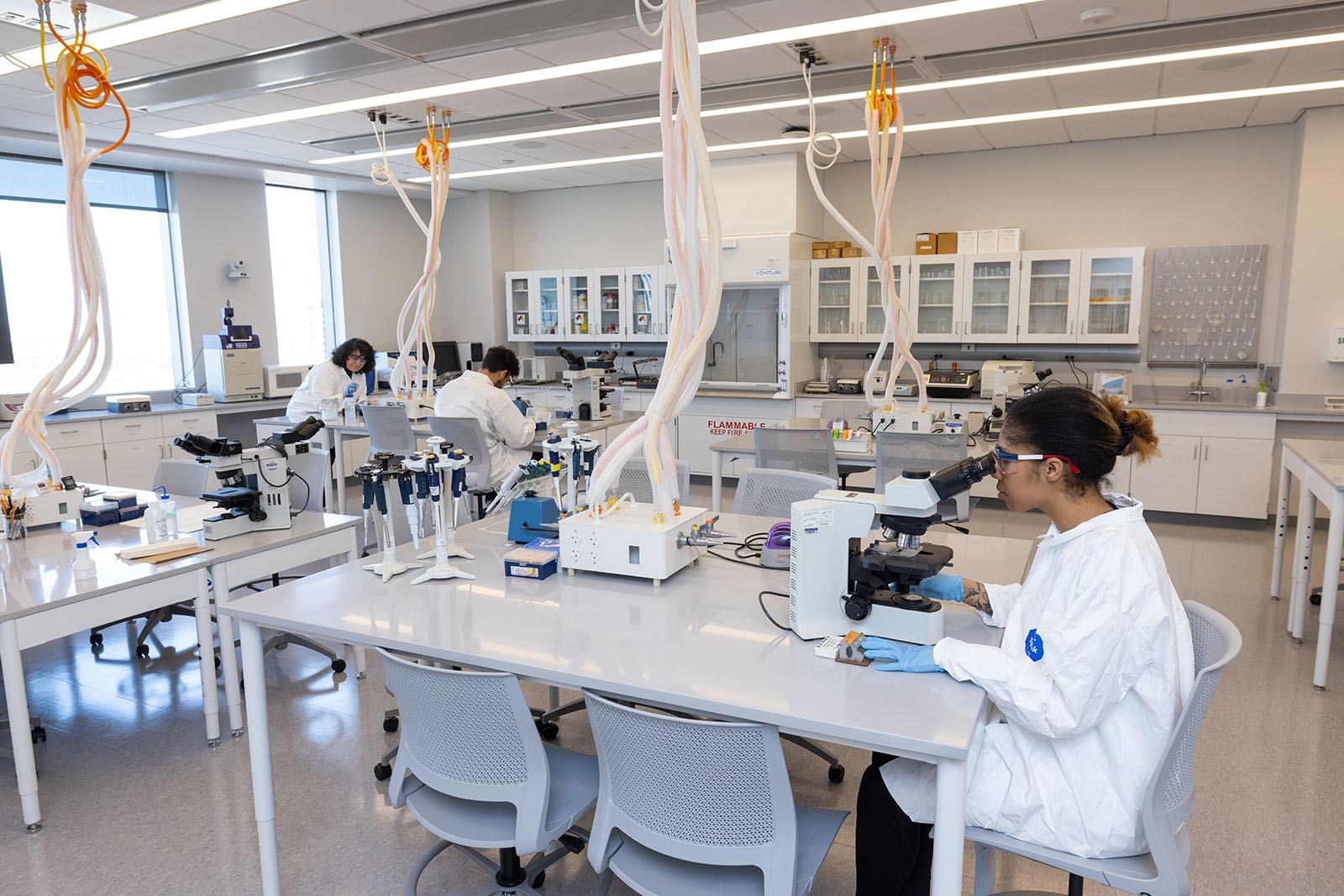
Drexel’s PathA program is a full-time, in-person master’s degree program designed to prepare students for a career in pathology. The first year focuses on classroom and laboratory learning, while the second year is dedicated to clinical education through rotations in surgical, autopsy, forensic and pediatric pathology. Graduates of the program are eligible to sit for the American Society for Clinical Pathology (ASCP) Board of Certification exam, an important credential for entering the profession.
As an assistant professor and program director, Lozier oversees everything from curriculum and accreditation compliance to recruitment and strategic planning. “Much like being a pathologist’s assistant in the clinical world, no two days are the same,” said Lozier. “One of the most rewarding aspects of my role is balancing the day-to-day operations with the long-term vision for the program.”
Lozier’s commitment to student success stems from her own experience as a Drexel student. The PathA program provided her with a strong foundation in pathology while helping her develop confidence, professionalism and critical thinking skills. “The Drexel PathA program played a huge role in shaping my career,” said Lozier. “The faculty and clinical liaisons were always invested in my success and inspired me to pursue leadership and education. Their support is a big reason I came back to Drexel, and it's something I try to pay forward every day by creating the same supportive, engaging learning environment for our students.”
Mingione shares a similar passion for mentorship. As clinical education director, she manages student clinical experiences, develops relationships with clinical affiliates and assists with admissions, while also serving as an adjunct professor. Her background made the transition from pathology to education feel natural. “I have always enjoyed mentoring those who were new to a role that I have filled in the past. I have a background in mentoring in high school, undergrad and at previous jobs. My true passion is pathology, and I felt pulled to share this knowledge with those just starting out,” she said.
The Drexel PathA program was instrumental in Mingione’s professional development. She believes the program opened doors that otherwise would have been difficult to access, as pathology is such a specialized field. “For me, I most likely would not have ended up in pathology without this program,” she said. “Drexel taught me the incredibly high standards that we need to provide appropriate patient care while working as a pathologist’s assistant.”
Today, both alumni find fulfillment in helping current PathA students discover their own potential. Lozier finds it especially rewarding to watch students gain confidence in their skills. “One of my favorite parts of my job is getting to relive some of that excitement through them — their first time grossing a specimen, watching things click or realizing that they’re becoming confident in their skills.”
Both Lozier and Mingione emphasize that Drexel’s PathA program stands out for its close-knit environment and broad clinical exposure. Small cohort sizes foster collaboration and support, while six clinical rotations across multiple specialties allow students to experience a variety of practice settings before entering the workforce.
As alumni who have come full circle at Drexel, Lozier and Mingione embody the program’s commitment to mentoring future pathologists’ assistants, educators and leaders. Their return to Drexel demonstrates the impact of alumni engagement and the role graduates can play in shaping the future of their profession, and they support current students and alumni in doing the same. “Our program encourages our alumni to remain involved and connected to the program, and to contribute to the education of future generations of pathologists’ assistants,” said Lozier.