Meet Dr. Emmanuelle A.D. Schindler, MD/PhD ’12, Discovery Day 2026 Keynote Speaker
October 26, 2026
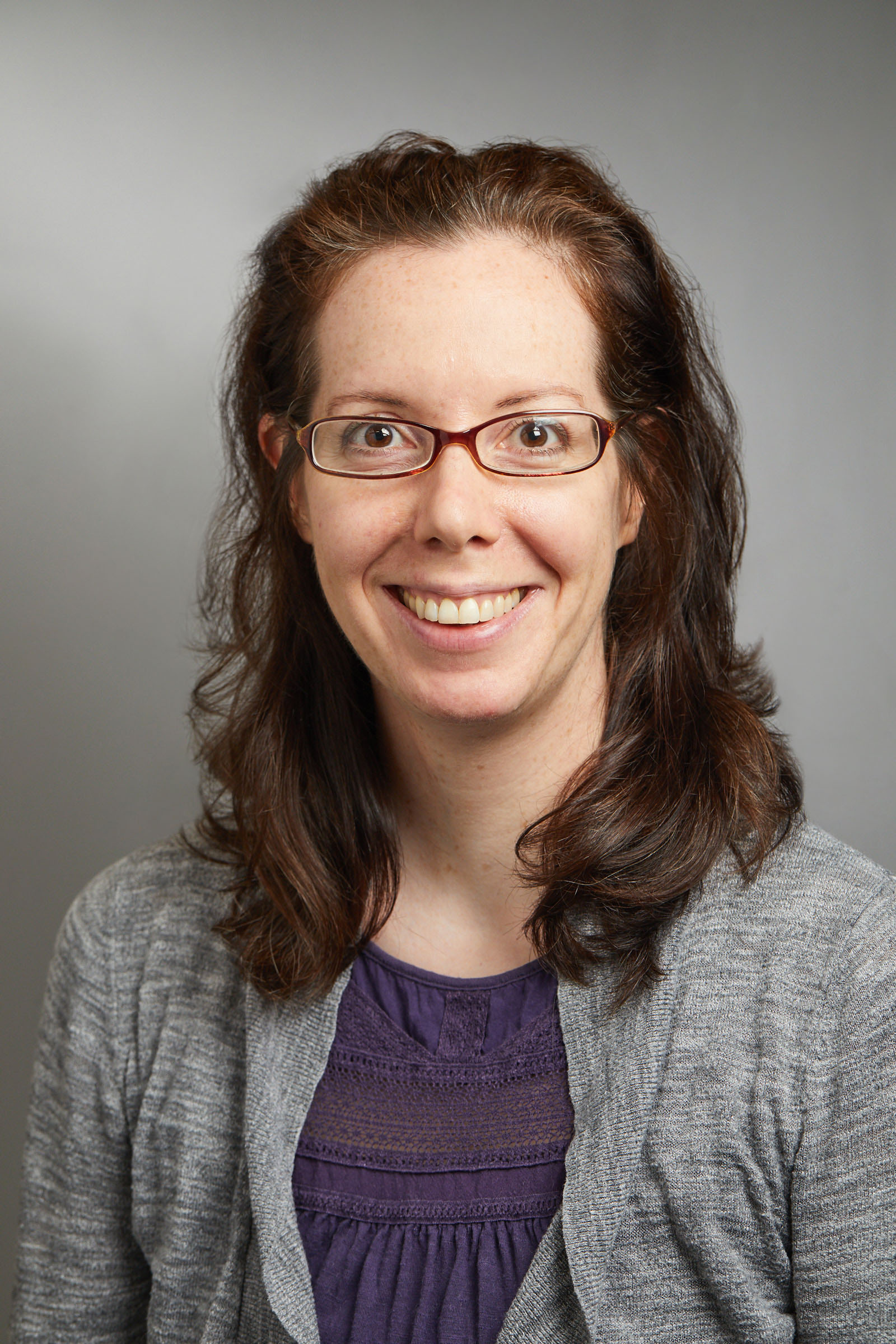
Meet Dr. Emmanuelle A.D. Schindler, MD/PhD ’12, keynote speaker for Discovery Day 2026, the College of Medicine’s annual day of research. Dr. Schindler is medical director of the Headache Center of Excellence at the Veterans Affairs Connecticut Healthcare System and an associate professor of neurology at Yale School of Medicine. She is a board-certified neurologist and headache medicine specialist.
What initially drew you to Drexel for your MD/PhD training?
I was looking at schools that had MD/PhD programs and that had the kind of research I was interested in. I knew I wanted to do neuroscience or some kind of brain research, so Drexel felt like the right fit. Geographically, it was in an area that was good for me, too. I'm from Maryland originally, so it's not too far from home.
How did your experience in the MD/PhD program shape you, both personally and professionally?
Drexel helped me to come out of my shell. The MD program followed a small group learning model, which was really good for me because I'm, by nature, a very shy person. So being in a small group kind of forced me to talk more as opposed to being someone in a crowd of a lecture hall who didn't have to ever speak. So, I think that really helped me in terms of coming out of my shell a bit and being able to improve my public speaking. I made really close connections with my MD classmates, which made it hard to then go to the PhD program, because I had to leave that group of students I had gotten to know.
On the PhD side, there was a lot of great research. My first project in graduate school, which was focused on antipsychotic drugs, didn't produce initial results that I could take onto the next level, so after two years I had to start over with a new project, this one with psychedelic drugs. This included the development of one of the assays from scratch, as it was not already established in the lab. This assay was for measuring the intracellular signaling pathway, PI hydrolysis. These experiences made my PhD years very challenging, but in a good way, as it helped to wake up all my senses and brain power.
When you look back on your time at Drexel, are there any experiences, mentors or memories that particularly stand out?
For the MD side, all of the professors were excellent. They really loved teaching and made whatever topics they were talking about interesting, which was everything from memorizing the Krebs cycle to the hands-on cadaver course.
On the research side, similarly, I had really great faculty mentors. I did a couple of rotations in a few different labs before picking my final lab, and everybody was just so excited about what they were doing. It was great to see that positive attitude that everybody had with the work they were doing. I made great friends in the PhD program, too.
If I could name particular mentors who stood out to me, I would say Dr. David Tabby, who was one of the neurologists I rotated with on the clinical side, and Drs. John Harvey and Vincent Aloyo on the research side.
What does it mean to you to return to Drexel as an alumna and deliver the keynote address at Discovery Day?
It's a little indescribable. I feel very honored and proud. Drexel gave me a really good foundation, and I've been using that as I move along in my career. I got such a positive attitude from being at Drexel. I want to remind the students here about that, because you sometimes forget the bigger picture when you’re cramming for exams or your assays in the lab aren’t working.
Is there anything you hope current Drexel students take away from your keynote or from your own journey since leaving Drexel?
Stay positive, even when things aren’t working out. For example, the first two years of my PhD did not work out, but I stuck with it. Funding for my current research has remained challenging, but I’m sticking with it. Stay positive and stay connected. I want to stress the importance of making friends and connections in both your MD and PhD communities. Without those kinds of connections, it's just not possible. You can't do it on your own.