New Student-Led Workshop for Medical Students Addresses the Prevalence of Patient-Initiated Harassment
June 18, 2026
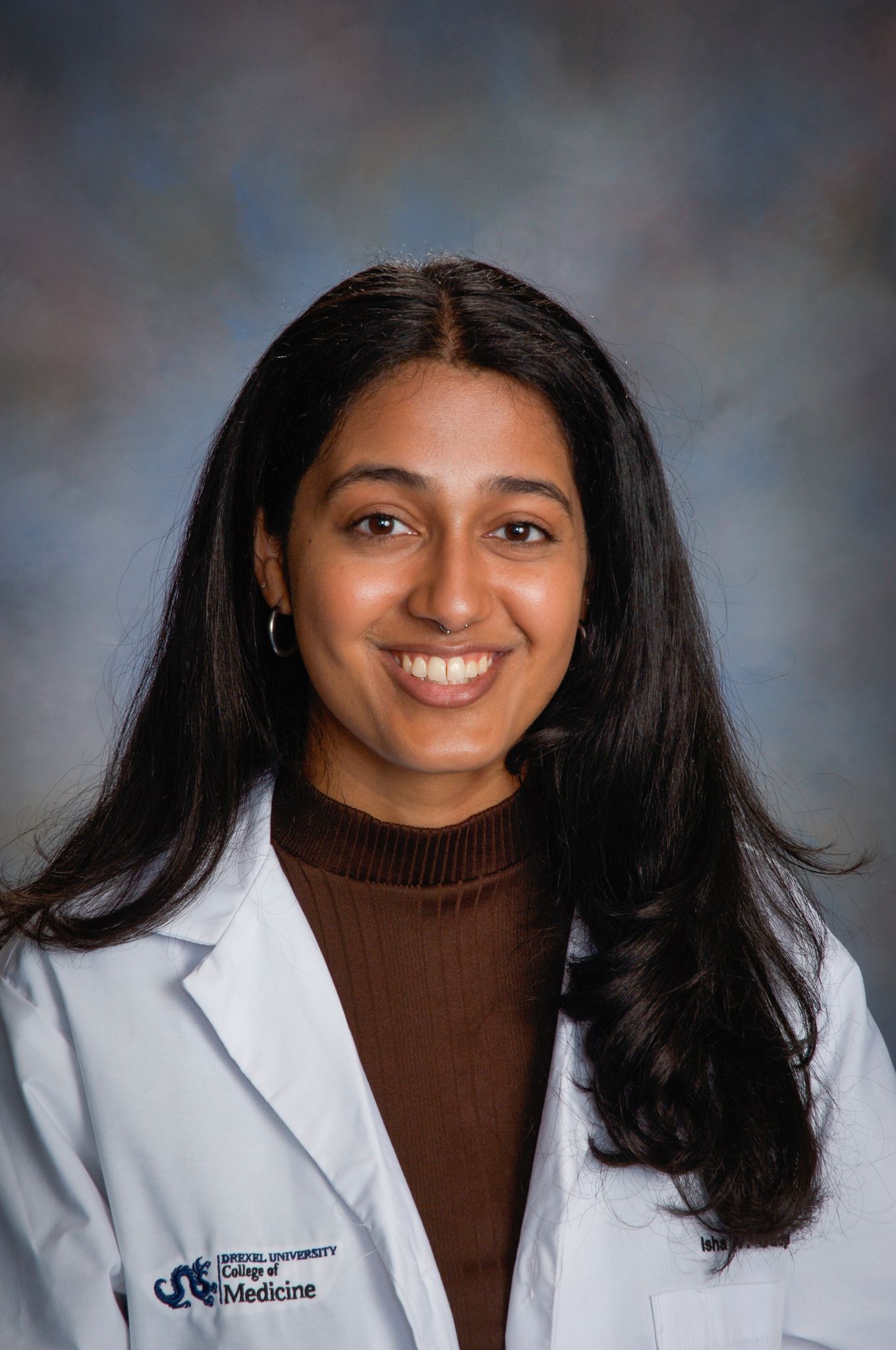 Isha Gadgil, MD ’28, created a workshop for medical students geared to address patient-initiated sexual harassment. The workshop, which was held virtually on Tuesday, April 28, will continue as an annual event hosted by the Health Outreach Project (HOP) advocacy chair for rising third-year medical students before they enter their clinical years.
Gadgil, a rising third-year medical student with an interest in women’s healthcare, biotechnology and advocacy, served as the HOP advocacy chair during the 2025-2026 academic year. She came up with the idea of developing a workshop on patient-initiated sexual harassment through conversations with her peers. “It became clear to me that patient-initiated sexual harassment is a common issue that many people have experienced,” Gadgil said. “As students pursuing healthcare, our goal is to prioritize patient well-being. As a result, it can sometimes feel daunting to speak out against patient-initiated harassment, as we don’t want to risk breaking the trust that we build with our patients.”
Gadgil emphasized the need for medical students to attend this type of workshop before they enter their clinical years. “For many students, clinical rotations will be their first time working directly and consistently with patients. We need resources like this so students can be prepared to respond appropriately in the moment if they encounter such situations.”
The presentation was adapted from a MedEd publication titled “Tools for Responding to Patient-Initiated Verbal Sexual Harassment: A Workshop for Trainees and Faculty.” Gadgil contacted the authors and then collaborated with Steven Rosenzweig, MD, director of the Office of Engaged Humanities and Health Advocacy and a professor in the Department of Emergency Medicine; Nikhil Seval, MD, an assistant professor in the Department of Medicine; Rita Guevara, MD, an associate professor in the Department of Pediatrics and assistant dean of inclusive excellence; Annette Gadegbeku, MD, associate professor and chief of the Division of Community Health in the Department of Family, Community & Preventive Medicine, and senior associate dean of the Office of Community Health and Inclusive Excellence; Tanajsia Mason, program manager at Drexel HOPE; and Sammy Brink, MPP, project coordinator in the Office of Engaged Humanities and Health Advocacy, to bring the workshop to life.
In the beginning of the presentation, Gadgil set goals with the audience. By the end of the workshop, the attendees would learn the definition of harassment, be able to identify harassment in real-world scenarios, and understand the prevalence of patient-initiated harassment toward medical students and clinicians.
During the workshop, Gadgil discussed gender-based discrimination, the impact of sexual harassment on medical trainees and clinicians, and why people may be reluctant to speak up about harassment. She presented hypothetical scenarios and invited the audience to think about what they would do, how they would feel, and what factors might prevent them from speaking up.
Gadgil reflected on her experience. “I feel grateful to have had the opportunity to contribute something so meaningful to my school,” she said. “I hope that moving forward, students feel adequately prepared to deal with uncomfortable situations in a manner that keeps them safe and still maintains trust with their patients.”
She also offered advice for students who want to address systemic issues or are interested in advocacy. “If you notice a systemic issue that you want to address, I think the best first step is to tell someone. Before I even knew how I wanted to tackle this issue or how to best support my peers, I met with faculty to share that this was something I cared about addressing on a structural level,” she said. “I’d also encourage students to start small and stay open to collaboration. Systemic change doesn’t happen all at once; it happens when you build a team of people who care about the same issue.”