A New Play Brings Drexel University College of Medicine’s History to Life
April 23, 2026
 This spring, People’s Light and Theatre Company in Malvern, Pennsylvania, will premiere The Woman Question, a new play that will bring the voices of pioneering women in medicine and the legacy of Woman’s Medical College of Pennsylvania (WMCP) to center stage.
The play, which will run from May 6-May 24, 2026, is inspired by the 1894 graduating class of WMCP, the world’s first degree-granting medical school for women. Blending historical research with performing arts, The Woman Question explores the lives of a group of women whose influence shaped medicine around the globe.
Written and performed by playwright and actor Suli Holum — in collaboration with People’s Light Theatre Artist Melanye Finister and an ensemble cast — The Woman Question will offer a new and exciting way to engage with the College of Medicine’s rich history.
What Is The Woman Question About?
Described as a “world premiere docu-fantasy,” The Woman Question merges WMCP’s legacy with a historical fiction narrative derived from years of archival research. “The term docu-fantasy invites audiences to encounter unearthed archival history — people, places and events that actually happened — while leaving space for imagined encounters and relationships that could have happened,” Holum said. “It’s a way of encouraging audiences to get curious about the past, and to realize there is always more to learn and discover about who we are.”
The play focuses on a cohort of students navigating medical education in the 1890s while also tracing how their experiences resonate today. “I chose the 1890s as a particularly resonant time,” Holum said. “It is a time where the more progressive Reconstruction era is coming to an end, and these medical students and faculty are navigating upheavals in law and public policy, like segregationist and immigration policies, while also living out their dreams of becoming doctors.”
Origins of the Project: From the Archives to the Stage
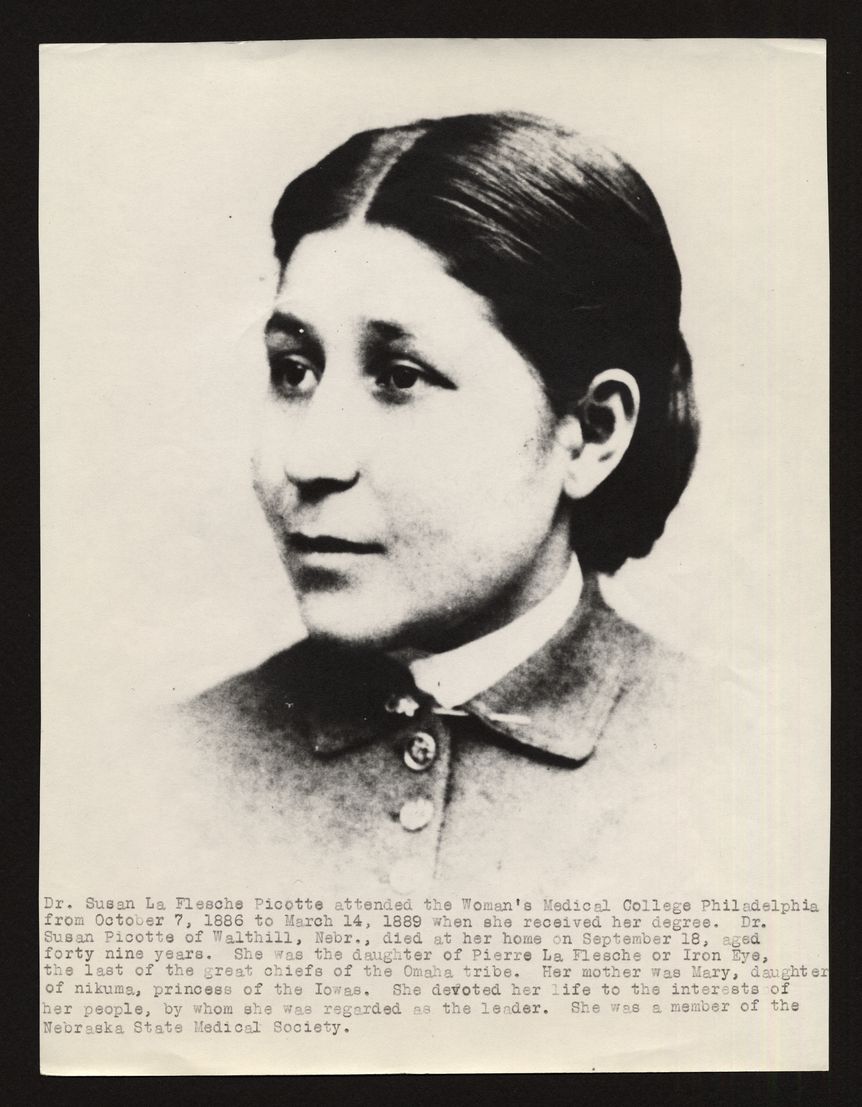
Holum first proposed the project to People’s Light after encountering the biography of Dr. Susan La Flesche Picotte, a graduate of WMCP and the first Native American to earn a Western medical degree. “Once I learned about Susan and her incredible classmates at WMCP, I knew it had to be a play,” Holum said. With the support from People’s Light and the Pew Center for Arts & Heritage, she assembled a collaborative team and began what would become an almost four-year process of research and development.
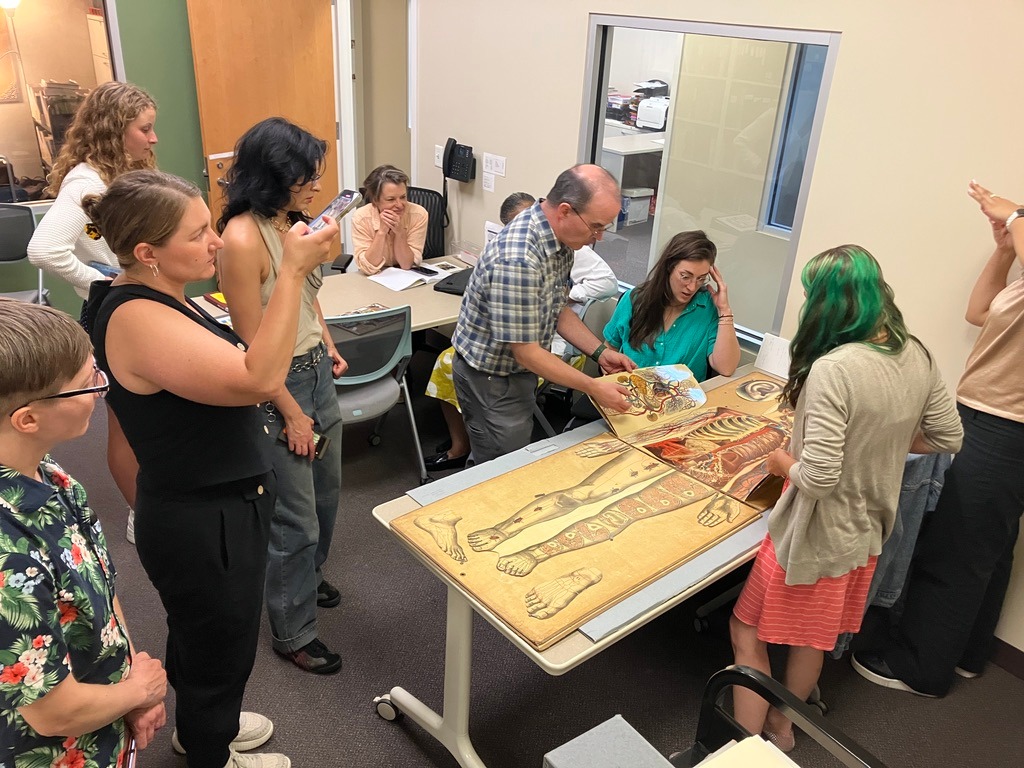
The research began at the Legacy Center Archives and Special Collections at Drexel University, which houses one of the world’s most comprehensive collections devoted to the history of women physicians. Beginning in late 2022, the People’s Light group made multiple visits to the archives, immersing themselves in student letters, diaries, course catalogs, photographs and ephemera that documented daily life at WMCP in the late 19th century.
“It is so striking to see the archival photographs, women from all over the country, all over the world, studying medicine in the 19th century,” Holum said. “I think the really personal aspects of their stories, drawn from letters to family and friends and diary entries, help us feel so close to them and make us feel like we are still living this history.”
Matt Herbison, archivist and director of the Legacy Center, helped guide Holum’s research process. “The biggest thing they wanted to do was capture the voice of women physicians at the time,” he said. “And since Drexel University College of Medicine is that history, we were a really good place to do that research.”
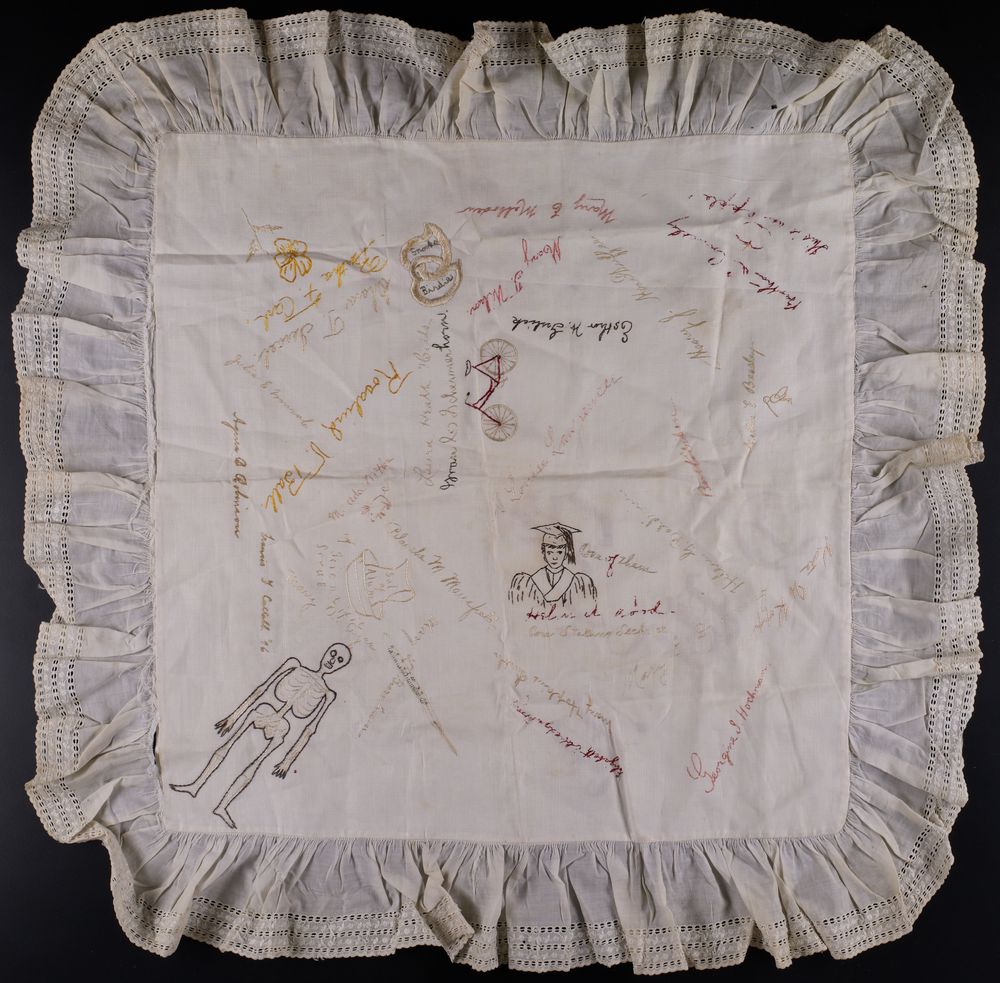
Research into this era of medical education revealed rigorous schedules that stretched from early morning to late evening. Photographs show students performing dissections, posing candidly outside the school, and socializing in boarding houses making hot chocolate. One particular artifact, an embroidered pillow sham stitched with students’ names and a few bars of musical notation, even inspired conversations about how the notation could shape the play’s soundscape and potentially be incorporated as a musical motif throughout.
“It’s unusual for us to have a group of researchers who are working on the same project at the same time. It’s a different process compared to an academic historian working on their own,” Herbison said. “They were getting all excited about what they were finding and bouncing ideas off of each other. It was a really loud, exciting and active process.”
For Herbison, projects like The Woman Question play a vital role in expanding how people encounter the history of WMCP and women in medicine. “When we work with any group, the first question I’ll ask is for them to raise their hand if they’ve ever been to a woman doctor, and these days, pretty much everyone does,” he said. “Then I’ll ask, ‘Fifty, a hundred, 150 years ago, do you think as many hands would be raised?’ That moment of realization — that’s our starting point for these conversations that build awareness about what it’s been like for women physicians over the last 175 years.”
Plays, he added, offer an especially powerful way to make that awareness accessible to a wider audience. “Different people engage with history in different ways,” he said. “Plays are an entirely different way to make this awareness accessible. And I’m excited to see.”
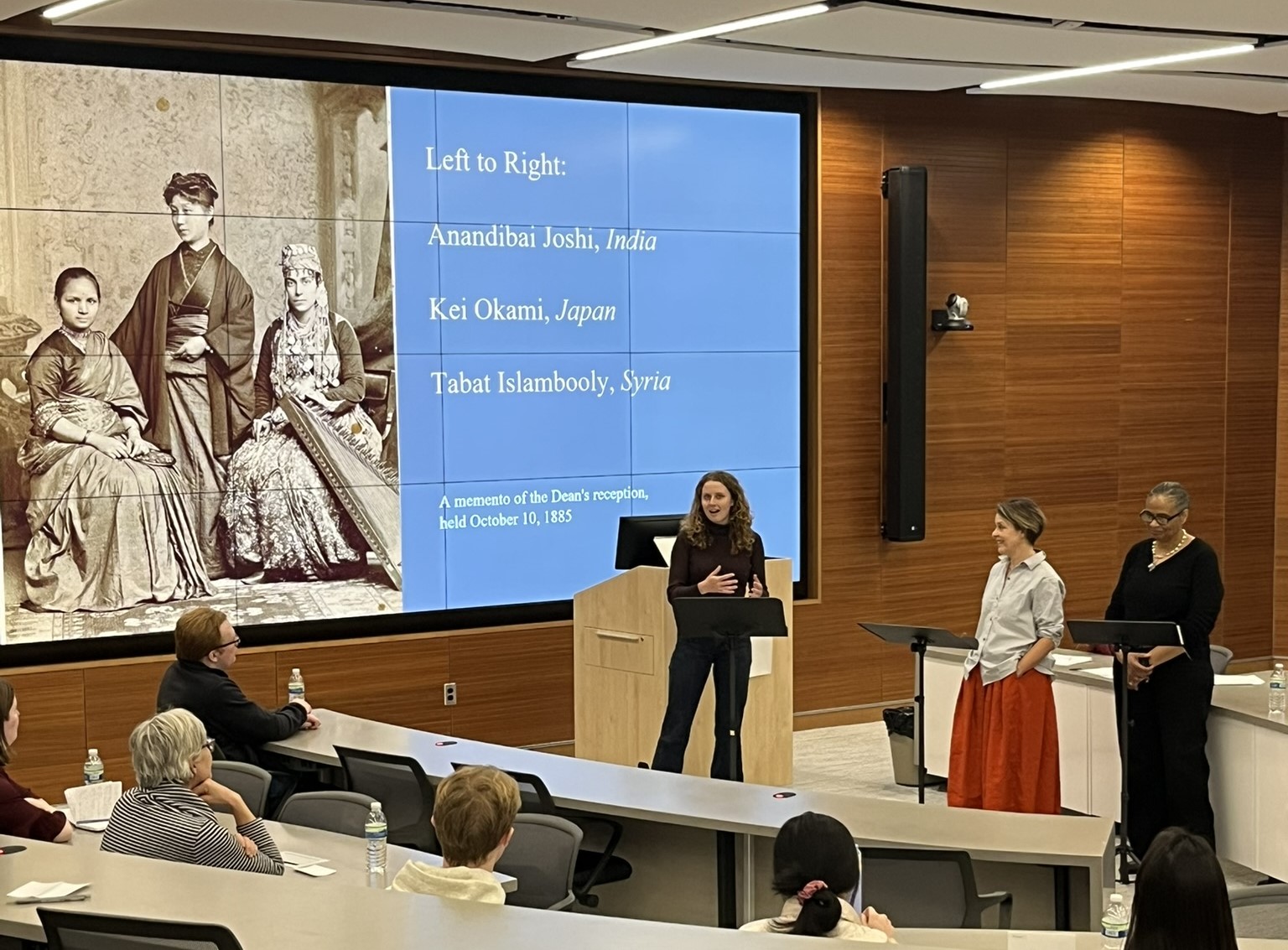
Holum and members of The Woman Question ensemble have engaged with Drexel faculty, students and professional staff through presentations, visiting Health Sciences Building and the West Reading Campus over the past several months. For Holum, the partnership has been essential. “It has been an incredibly collaboration,” she said.
Ultimately, The Woman Question is a tribute to the women physicians who came before and a reminder of what perseverance can achieve. “It’s really a lesson to us all about perseverance, passion, community care and the power of joy,” Holum said.