In fall 2026, Drexel University Kline School of Law will launch the Mediation Practicum, a new clinical offering that will place students inside active disputes and ask them to guide conversations between people in conflict.
The three-credit, one-semester practicum is open to upper-level students and will involve landlord-tenant mediations through the City of Philadelphia’s Eviction Diversion Program (EDP). After initial training, students will move quickly from observing sessions to mediating disputes themselves, working under supervision and returning to the classroom to reflect on what unfolded.
Sue Wasserkrug, director of mediation at CORA Services, brings extensive mediation experience to the practicum. She leads the mediation component of the EDP and has spent years working with individuals and families navigating housing, family and public benefits issues. Her work as both a mediator and a former advocate shapes how the practicum is structured.
For a field often associated with argument, the practicum offers a different frame. It places students in situations where progress depends on understanding and outcomes are shaped by the people involved.
“Mediation introduces a whole other perspective on how we resolve disputes,” said Wasserkrug.
Rather than advocating for one side, students will learn to facilitate discussions between people in conflict, often under pressure and unsure how to move forward.
A Different Role in the Room
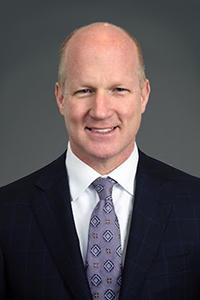 Clymer Bardsley
In court, the structure is familiar. Each side presents its case, and a judge decides the outcome. Mediation works differently.
Mediation centers on communication and self-determination. Mediators don’t issue decisions or give legal advice. They guide the conversation so participants can work toward a resolution they can accept.
That shift changes what’s required of the lawyer. Professor Clymer Bardsley teaches mediation and arbitration and serves as faculty advisor to the Alternative Dispute Resolution (ADR) team while maintaining an active mediation practice. He describes it as a different kind of presence.
“You lead from behind,” he said. “You’re not telling people what to do. You’re helping them reach decisions that are going to be most helpful for them.”
His work spans mediation, negotiation and training, with experience across family law, education and employment disputes.
From Training to Live Mediations
The practicum is designed to move students into the role of mediator early. Foundational sessions introduce core skills such as listening, reframing and managing difficult conversations. Students begin using those skills almost immediately.
Role plays allow students to practice in a controlled setting. “There’s value in having students play the role of the disputant as well,” Wasserkrug said. “It gives them a sense of what it feels like to be the disputant.”
But the practicum quickly moves beyond simulation. Through the EDP, students will participate in real landlord-tenant mediations, which are conducted by phone.
The workload is significant. “We handle about 50 mediations a week,” Wasserkrug said, giving students repeated opportunities to apply what they’re learning in real time.
“When you’re working with actual people, you see how much frustration and pain they’re in,” Bardsley said. “It’s a real privilege to sit with them as they grapple with these issues.”
Complexity Inside Everyday Disputes
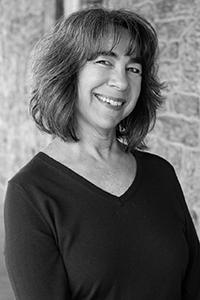 Sue Wasserkrug
Landlord-tenant cases can appear straightforward. In practice, they often aren’t. “You’d think they are very simple cases just around money,” Bardsley said. “But oftentimes there’s more complexity to it. The reasons might be very personal.”
Students will encounter that complexity directly. A tenant may describe a recent illness. A landlord may insist on payment. The facts may be unclear or disputed. Emotions can escalate quickly. “These can get very emotional,” Wasserkrug said. “The participants are often under stress, and listening to people in conflict can be challenging.”
For new mediators, the challenge isn’t only managing the conversation. It’s also managing their own instincts. There’s often a pull to step in, propose solutions or move things along too quickly.
That instinct can work against the process. Effective mediation depends on allowing parties to articulate their concerns and consider options independently.
Moments that Move a Conversation
Progress in mediation often turns on small shifts. A reframed statement. A question that opens a new line of thinking. A pause that allows someone to be heard.
“When you reframe a statement and you see the shift in the conversation, that’s an ‘aha’ moment,” Wasserkrug said.
Students will learn to treat these techniques as tools. There isn’t a single right move. The work is in recognizing what the moment calls for and responding in a way that helps the discussion continue.
At times, that means identifying what hasn’t been said. Mediation can stall when underlying concerns remain unaddressed.
“Mediations tend to break down when something important isn’t being addressed,” Bardsley said.
Helping parties surface those concerns is often what allows progress to continue.
Reflection as Part of The Work
The practicum builds in structured reflection through journaling, class discussion and a final paper. These elements will allow students to step back from individual sessions and examine their approach.
Debriefing with peers adds another layer. Each mediation unfolds differently, and students benefit from hearing how others handled similar challenges.
There’s also a practical reason for that framework. Mediation is confidential. Students can’t discuss cases outside the practicum. The classroom becomes the place where those experiences can be processed and understood.
A Shift in the Way Students See Conflict
By the end of the practicum, students are likely to approach conflict differently. Conversations slow down. Assumptions are questioned. Positions are examined more closely.
That shift carries into other areas of practice. Mediation develops skills in negotiation, communication and problem-solving that go beyond the setting itself.
It also offers a different view of what resolution can look like. “You see that people have the capacity to come to terms with one another,” Bardsley said. Not every mediation results in agreement, but even partial progress can change how a dispute moves forward.
Expanding How Lawyers Are Trained
The Mediation Practicum adds another dimension to Drexel Kline’s experiential learning curriculum. It doesn’t replace litigation training. It expands it.
Students still learn to analyze legal issues and advocate for clients. The practicum asks them to develop a complementary set of skills: Listening closely, facilitating dialogue and helping parties work toward decisions they can accept.
“It supplements the skills that they’re learning in a really useful way,” Wasserkrug said.
In some cases, students will continue mediating after the practicum and apply those hours toward pro bono requirements. More broadly, the experience shapes how they approach disputes, both professionally and personally.