How to Make the Most of First-Year Career Counseling

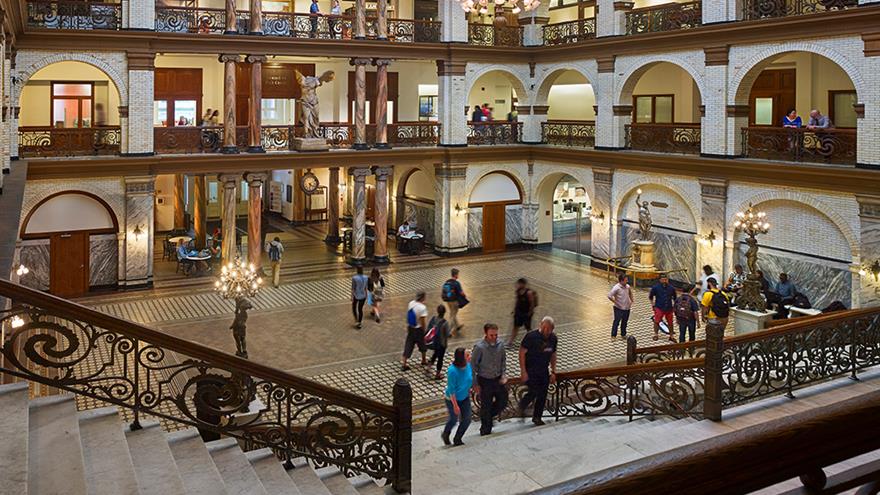

The Career Services are located in the Steinbright Career Development Center at 3201 Arch St.
For first-year students at Drexel University — or any university — the transition can be difficult to manage. New classes, new friends, new career aspirations and more can get overwhelming quickly, but Drexel has resources specifically directed towards helping students stay grounded and focused on the future that’s right for them.
Chris Canfield is Drexel’s dedicated first-year career counselor in the Career Services team within the Steinbright Career Development Center and he takes meetings, hosts workshops and gets out on campus to help students with the many questions that may be swarming their minds in that critical first year of college.
“One of the biggest questions I get is, ‘What exactly is career counseling?’” Canfield said. “For first-year counseling, it’s helping students figure out what their goals are, how to get involved on campus, how their major fits and what common career pathways are available.”
Canfield tries to communicate with first-year students in as many different ways as he can: meeting with students individually and with groups both online and at the office at 3201 Arch St., Suite 110; hosting events and workshops; sending a newsletter; classroom presentations and drop-in hours at the Patrick McGonigal Academic Resource Center (ARC).
To tap into first-year career counseling, go to the Career Services website to schedule a 30-minute or hourlong session. Most of Canfield’s appointments are over Zoom, but they can be in person by request. Students can add their goals or questions for the session when scheduling, which helps Canfield know where the conversation may go.
“Like you would expect in a traditional one-on-one counseling session, I let them guide it as they want,” Canfield said. “Sometimes they just want to find out what exactly I do, and the services that I provide. Other times, students come prepared to talk about their major, résumé, LinkedIn profile, summer internship opportunities, and then we find a time in the upcoming weeks to discuss any updates they have made.”
Each session, like each student’s career journey, is different. Most sessions are actually one-offs, Canfield said, but students are always welcome to come back for more, and some topics may require more in-depth discussions. For example, if the conversation steers towards career assessments, Canfield may administer one of the five assessments his office uses and then follow up with information and strategies afterwards.
“If there is a lot to talk about regarding optimal career pathways and major fit, we usually don’t solve that in just 30 minutes,” Canfield said. “We’ll talk about avenues and options, and I’ll give them some resources.”
Aside from meetings, Canfield also hosts the FYI (First-Year Initiative) workshops, which are often virtual and focus on topics like career assessments, crafting your first résumé, finding a summer internship, networking and how to get involved on campus.
“I try to equip students with skills about being the best professional you can be, and how to talk to employers and other tips and tricks and strategies, because in a few short months, many of them will be starting their first co-op or exploring other professional opportunities,” Canfield said.
Canfield makes sure to emphasize to students that they’re not alone in the process of figuring out their career. One of the best ways to start making sense of it all is to get those thoughts out on paper and talk to someone — whether it’s him, another member of the Career Services team, someone at the ARC or another person entirely.
“I want first year students to know that it's OK not to have everything figured out right away and that these things take time to develop,” Canfield said. “To me, career counseling is a great way for students to talk things out and get advice from someone who’s willing to listen and able to offer specific counsel and resources. A lot of these resources here at Drexel are easy to use and easily accessible. We’re waiting for you. You just have to take the first step in reaching out by scheduling that appointment."
Here are three of the top resources Canfield directs students towards during his counseling sessions.
- “One of the best resources is the ARC, and the folks over there are fantastic. They have workshops and events that provide academic support services for all students such as coaching, workshops, and specialized courses.”
- “I recommend students to go to the Lindy Center [for Civic Engagement], because they have a lot of amazing opportunities for volunteering and research and they do a lot of great work. Any sort of involvement that first-year students can get before their first co-op as they’re coming from high school, and the Lindy Center is one of the best gateways for students to get their feet wet.”
- “The last resource would be Steinbright's Co-op Advising Team to learn more about the co-op process and how best to prepare for it. They are always ready and willing to assist students so if you have any questions, don't hesitate to reach out to your co-op advisor.”