Simi Hoque

Simi Hoque, PhD

Professor, Architectural Engineering

Hoque is an expert in building energy use and the design of high-performance indoor environments, such as hospitals, assisted living centers and offices. Her research focuses on how occupant comfort and energy efficiency are affected by design. In addition, she is a leader in the development inclusive educational opportunities for women in engineering.

Her current research focuses on improving the indoor environment at hospitals to make it more comfortable for workers, as well as patients. Her research group is also looking at how the age of buildings in a city can affect how it is impacted by climate change and using this data to create a tool for cities to use when planning for climate resiliency.

Outside of the lab, Hoque is an advocate for women and girls pursuing STEM education and careers. She started a summer STEM camp for middle school girls at Drexel and has been recognized for her leadership in this area by Girls, Inc., a regional nonprofit group that supports academic enrichment and life skills programs for girls in Philadelphia and Camden.
In The News

Mapping Change: How AI Is Redefining What Gentrification Looks Like in Philly
A March 30 column for The Conversation about using AI technology and community insight to detect gentrification, co-authored by Maya Mueller, a doctoral student in the College of Engineering, was republished by Metro Philadelphia on April 5.
What You Can Do About Your Rising Electric Bills In Pennsylvania
Simi Hoque, PhD, a professor in the College of Engineering, was quoted in a March 30 WHYY story about how to reduce home energy use as rates are increasing.
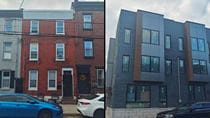
We Analyzed Philly Street Scenes and Identified Signs of Gentrification Using Machine Learning Trained on Longtime Residents' Observations
Maya Mueller, a doctoral student in the College of Engineering, co-authored a March 30 column for The Conversation about her research on using input from community members to train a machine learning tool to visually identify gentrification.
A Tax Credit for Hoe Insulation, Air Conditioners and Heat Pumps Ends Soon. Here's What to Know
Simi Hoque, PhD, a professor in the College of Engineering, was quoted in a Nov. 25 WHYY story about improving home energy efficiency after the expiration of the Energy Efficient Home Improvement Credit.
Nights in Las Vegas Are Becoming Dangerously Hot
Chima Cyril Hampo, a doctoral student in the College of Engineering, was mentioned and research led by Hampo, Simi Hoque, PhD, a professor in in the College of Engineering, and Leah Schinasi, PhD, an assistant professor in the Dornsife School of Public Health, about the effects of extreme heat indoors, was referenced, in an Aug. 11 New York Times story about persistent heat in Las Vegas.
‘It’s Unbearable’: In Ever-Hotter US Cities, Air Conditioning Is No Longer Enough
Simi Hoque, PhD, a professor in the College of Engineering, was quoted in a June 11 Guardian story about extreme heat in the U.S. and the shortcoming of air conditioning in preventing indoor exposure.
5 Ways To Make Your Philly-Area Home Greener
Simi Hoque, PhD, a professor in the College of Engineering, was quoted in an April 23 WHYY story about how to reduce the environmental impact of home energy consumption in Philadelphia.
Philly’s Climate Change Report Card
Simi Hoque, PhD, an associate professor in the College of Engineering, was quoted in a June 21 Philadelphia Citizen story about Philadelphia’s progress toward addressing climate change.

Related Articles

Training images for computer vision program for identifying gentrification Philadelphia Communities Help AI Computer Vision Get Better at Spotting Gentrification
In hopes of providing a better monitoring system for those seeking to mitigate the negative effects of gentrification, researchers at Drexel University have drawn on the wisdom of community members in Philadelphia neighborhoods that have been affected by it to hone a computer vision program that can reliably identify and track gentrification throughout the city.
Machine Learning Can Support Urban Planning for Energy Use
Researchers in Drexel University’s College of Engineering are hoping a machine learning model they’ve developed can support these efforts by helping to predict how energy consumption will change as Philadelphia's neighborhoods evolve.
tree canopy Just How Much Do Density and Green Space Affect Urban Energy Use? It Depends on Where You Live.
In the battle to mitigate “city heat” and conserve the energy it takes to keep folks comfortable inside, recent research has shown the importance of urban planning. Tree cover, paved surfaces, the spacing of buildings and green spaces all affect how much energy it takes to offset the “urban heat island effect.” But the relative contribution of these urban form factors has been a matter of debate. In a recently published journal paper, researchers in Drexel University’s College of Engineering, seeking to clarify the matter, presented a method for measuring the impact of each of these factors – and revealed that their contribution to building energy use varies between cities.
Top