Environmental scientists investigate how ecosystems function, how environmental conditions change, and how human activities shape the natural world. They collect and analyze data in the field and lab, use tools like geographic information systems (GIS) and climate models to track trends, and evaluate the impacts of pollution, land use, biodiversity loss, and climate change. Environmental scientists provide the evidence needed to protect species and habitats, safeguard human health, guide climate and conservation policy, support sustainable resource use, and help communities build resilience in a rapidly changing world.
Drexel’s Bachelor of Science (BS) in Environmental Science students establish a solid scientific foundation in ecology, biology, chemistry, geology, and climate science, paired with hands-on training in data analysis, geographic information systems (GIS), laboratory methods, and environmental policy. This interdisciplinary approach prepares majors to tackle complex environmental problems with the depth and flexibility demanded in the field. BS in Environmental Science scholars gain from experiential learning, mentored research, and unparalleled access to the Academy of Natural Sciences of Drexel University, whose world-class collections foster discovery in biodiversity, climate change, ecology, evolutionary biology, and systematics.
Environmental Science undergraduates choose from two concentrations and can opt to enhance knowledge and career-readiness with minor programs. Additionally, qualified students may pursue accelerated programs in environmental science and environmental policy. All students can expand their development through civic engagement and study abroad. Through the renowned Drexel Co-op program, Environmental Science majors can explore a wide range of professional careers or prepare for advanced studies.
Visit Our Department
Program Overview
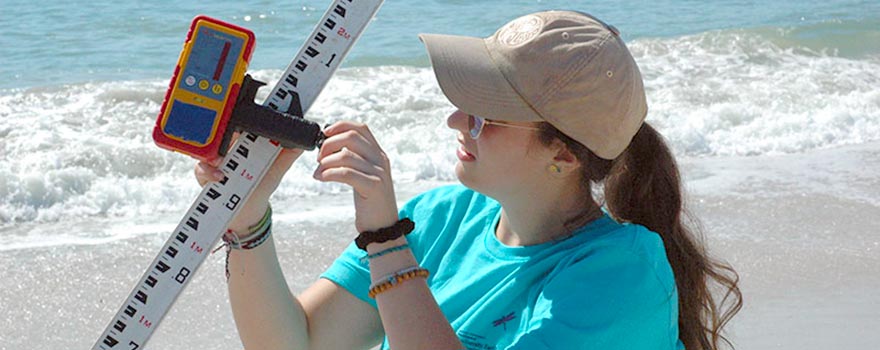
Working closely with faculty and professional scientists, students engage in hands-on research in labs, field sites, and museum collections. They learn how to design studies, analyze data, and communicate results—graduating with real research experience that strengthens both career readiness and preparation for graduate study.
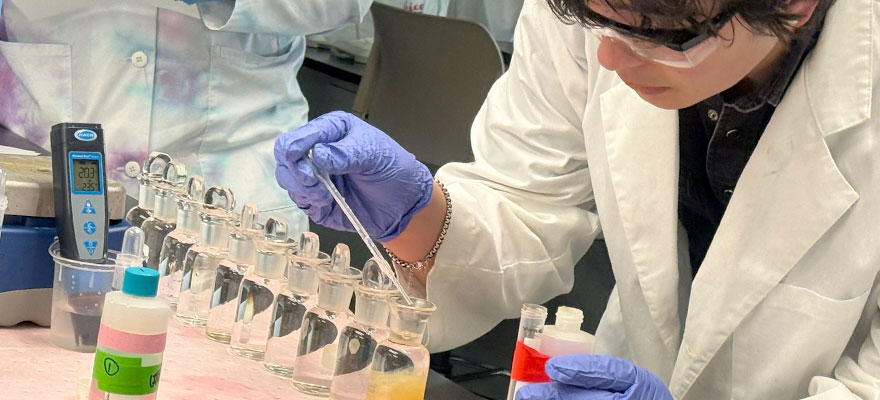
The BS in Environmental Science program has an integrated curricular approach designed around extensive laboratory and field experiences. As early as their first year, students gain knowledge about environmental science, learn how to use scientific tools, and build career-relevant skills. The overall curriculum offers students a strong foundation in ecology, evolution, climatology, biodiversity, and bioremediation—fields essential to understanding and restoring healthy ecosystems.
Concentrations
Environmental Science majors pursue a concentration of interest to prepare them for advances in the field. The following concentrations are available:
Ecology and Evolution – Focuses on how organisms interact with each other and their environments, and how these interactions shape biodiversity over time. Students explore ecological systems, evolutionary processes, and the dynamics that drive change in natural populations and communities.
Applied Environmental Science – Emphasizes practical, solutions-focused training in environmental assessment, monitoring, and restoration. Students learn to apply scientific tools and data to address real-world challenges in sustainability, resource management, and environmental problem-solving.
Experiential Learning
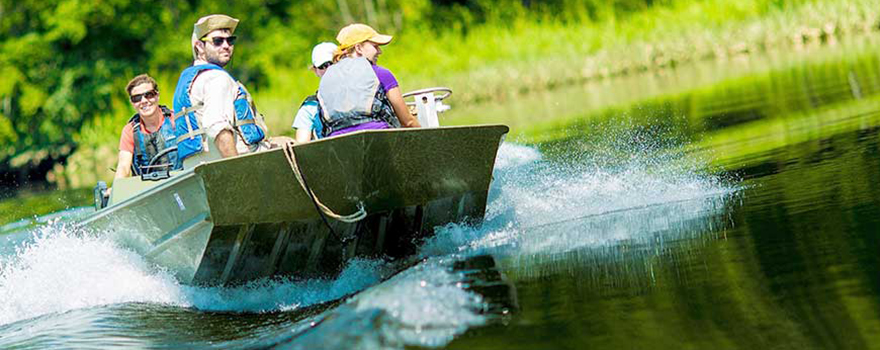
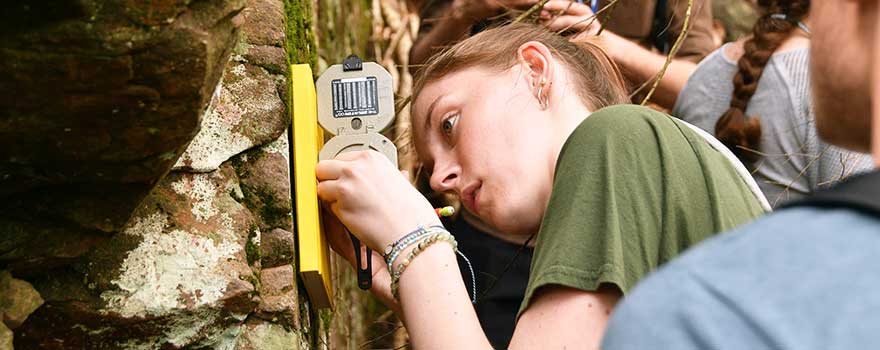
From the start of their academic program, Environmental Science undergraduates learn by doing. Drexel’s experiential learning approach emphasizes integrated lab and field investigation, preparing students with scientific knowledge and practical research skills.
The Pre-Term Field Experience
At Drexel University, students dive into hands-on learning from the moment they arrive. All majors are invited to join an immersive pre-term experience that introduces them to fieldwork in a fun environment, allowing them to build new friendships with their peers and foster enriching relationships with faculty.
The Academy of Natural Sciences of Drexel University
Environmental Science majors have unparalleled access to the Academy of Natural Sciences of Drexel University, whose world-class collections contribute to experiential learning in biodiversity, climate change, ecology, evolutionary biology, and systematics.
The Environmental Collaboratory
In partnership with the Academy, the Environmental Collaboratory at Drexel is a dynamic platform focused on community-based climate justice. Building on its comprehensive research expertise, longstanding relationship with external partners and deep commitment to civic engagement, Drexel and the Academy of Natural Sciences bring together faculty, staff, students, industry partners, and the public sector to explore solutions to environmental problems.
Local and Global Field Sites
Locally, the Barnegat Bay Field Station offers hands-on ecological surveys across coastal habitats—from maritime forests and tidal creeks to pine–oak uplands and sandy beaches. Lacawac Sanctuary in the Poconos provides an ecological research station and environmental education center. The Willistown Conservation Trust’s Rushton Woods Preserve supports integrated research in land protection, habitat restoration, sustainable agriculture, bird conservation, and watershed science.
Internationally, faculty conduct research programs and teach courses in Costa Rica, Ecuador, Guyana, and Greece, among other sites. Study abroad expands students' horizons and offers valuable hands-on experience.
Accelerated Program
Academically qualified undergraduate students can earn both a bachelor's and master’s degree—graduating sooner than they would in traditional programs. While enrolled in the accelerated program, students still enjoy the benefits of Drexel Co-op, study abroad, and other programs that make up the Drexel experience.
Environmental Science (BS) and Ecology, Evolution and Earth Systems (MS)
Environmental Science (BS) and Environmental Policy (MS)
Minor Programs
Environmental Science majors can enhance career-readiness through minor programs designed to offer deeper understanding and to develop more focused skills.
Climate Change Minor
Ecology Minor
Environmental Studies Minor
Geoscience Minor
Drexel Co-op
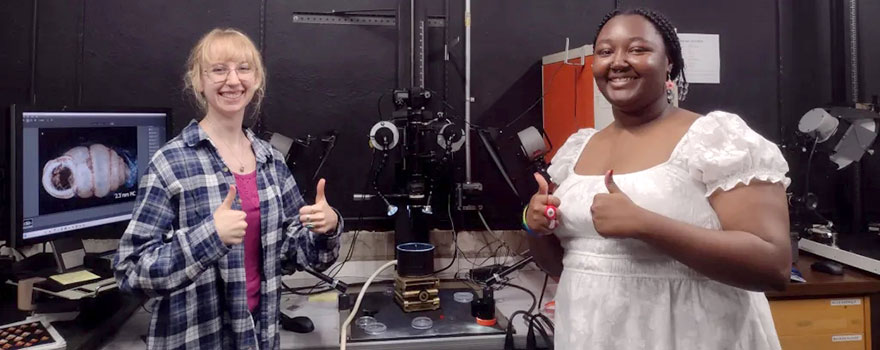
Through the renowned Drexel Co-op program, Environmental Science majors can experience up to three, six-month periods of full-time employment. This allows them to fully explore potential career paths, strengthen their résumés, and build a professional network in the process.
Recent co-op positions and employers include:
- Corporate Sustainability Analyst, Philadelphia Zoo
- Environmental Engineer/Geologist Co-op, GEI Consultants, Inc.
- Environmental Specialist Trainee, New Jersey Department of Environmental Protection
- Grassroots Organizing and Advocacy, Food and Water Watch
- Lab Assistant, Chinese Research Academy of Environmental Science
- Project Management Assistant, Atlantic Environmental Solutions, Inc.
- Technical Service Laboratory Technician, Evonik Oil Additives
- Veterinary Assistant, Penn Vet Animal Clinic

Careers
Environmental Science graduates work across government, nonprofit, and private sectors in roles focused on research, conservation, policy, and sustainability. Common career paths include environmental consulting; conservation and natural resource management; climate and environmental policy analysis; ecological field research; water-quality and air-quality monitoring; environmental health and safety; geographic information systems (GIS) analysis; sustainability planning; and work in zoos, aquariums, and museums. Many also pursue graduate study in ecology, environmental science, conservation biology, environmental policy, or related fields.
Get In Touch
Reach out to Drexel’s College of Arts and Sciences recruitment team at coas_enroll@drexel.edu with any questions. We look forward to hearing from you!

Janine Guerra
Director of Recruitment
Drexel University
College of Arts and Sciences

Autumn Ellis
Recruitment Specialist
Drexel University
College of Arts and Sciences