Coulter Drexel Translational Research Partnership
Wednesday, April 9, 2025
2:30 PM-4:00 PM
BIOMED Seminar
Title:
Coulter Drexel Translational Research Partnership
Speaker:
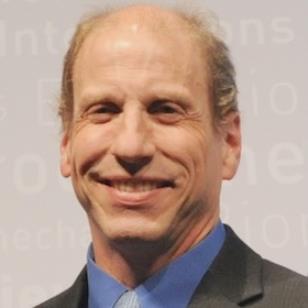
Ken Barbee, PhD
Professor
Senior Associate Dean and Associate Dean for Research
School of Biomedical Engineering, Science and Health Systems
Drexel University
Details:
The Drexel Coulter Translational Research Partnership Program promotes, develops, and supports innovations to improve patient care. The program provides mentoring, project management, and funding to promising translational projects with the goal of moving innovative technologies to clinical application through commercialization. The ultimate goal of this partnership is to develop health care solutions that address unmet or underserved clinical needs and lead to improvements in patient health care. Dr. Barbee will present the history of the program, explain how the program supports the commercialization process, highlight successes, and describe opportunities for training.
Biosketch:
Ken Barbee, PhD, is Professor, Senior Associate Dean, and Associate Dean for Research of the School of Biomedical Engineering, Science and Health Systems at Drexel University. The focus of his research is the response of cells and tissues to mechanical loading. In the cardiovascular system, he interested in mechanotransduction mechanisms responsible for the endothelial cell response to flow. The areas of expertise he has brought to bear on this problem are: Atomic Force Microscopy (AFM) of living cells in culture to measure the three-dimensional surface topography Computational Fluid Dynamics (CFD) to calculate shear stress distributions by simulating flow over the surface geometries measured by AFM cell-culture models for applying shear stress to endothelial monolayers.
Dr. Barbee is also interested in the response of medial smooth muscle cells to the cyclic stretching that occurs in vivo due to the blood pulse. He has developed cell-culture models for applying a biaxial stretch to cultured cells while recording their responses by fluorescence microscopy techniques. In addition to the responses to physiological mechanical stimuli, he is also interested in the response of neural and vascular tissue to the extreme loading conditions associated with traumatic injury. The goals of this work are to establish cellular injury criteria that can be used in the development of protective equipment and to provide an injury model in which the mechanical insult is precisely controlled, the cellular response is measured, and the ability of therapeutic agents to mitigate the injury can be evaluated. Dr. Barbee's teaching interests include cellular biomechanics, biological elasticity and viscoelasticity, cellular imaging, mechanics of cell adhesion and locomotion, and mathematical modeling of cellular processes.
Contact Information
Carolyn Riley
cr63@drexel.edu
Location
Papadakis Integrated Sciences Building (PISB), Room 104, located on the northeast corner of 33rd and Chestnut Streets.
Audience