Kapil Dandekar, PhD

Professor of Electrical and Computer Engineering

Dandekar is and expert on cellular communications, wireless antenna technology, applied computational electromagnets, microwave and receiver development sensor networks for homeland security, free space optical communication, ultrasonic communication and ultrawideband communication.

He is the director of Drexel's Wireless Systems Laboratory and has published articles about wireless antenna propegation and wireless communications. His background in the field includes work for the U.S. Naval Research Laboratory, where he developed virtual reality hardware and sofware systems in the Information Technology Division and the Navy Center for Applied Research in Artificial Intelligence.

Related from the Drexel News Blog

In The News

Bluetooth Signals Can Get Disrupted on the Ben Franklin Bridge. If It's Not Aliens, What's the Cause?
Kapil Dandekar, PhD, interim dean and E. Warren Colehower chair professor of Electrical and Computer Engineering in the College of Engineering, was quoted in a July 1 Philadelphia Inquirer story about why Bluetooth signals are sometimes disrupted on the Ben Franklin Bridge.
How To Boost Your Wifi Performance When Everyone’s at Home
Kapil Dandekar, PhD, Colehower Chair professor in the College of Engineering, was featured in a Jan. 25 Philadelphia Inquirer story in which he provided tips on how to improve home WiFi performance.
West Chester Firm Lets You Tag and Track Your Suitcase, Lands First Contract with a Major Airline
Kapil Dandekar, PhD, a professor in the College of Engineering, was quoted in a June 26 Philadelphia Inquirer story about new technology that is using RIFD tags to track luggage in airports.
These Spray-on Antennas Could Be the Future of Communication
Kapil Dandekar, PhD, a professor in the College of Engineering, was quoted in Sept. 26 posts on Communications of ACM and World Industrial Reporter about Drexel's spray-applied MXene antenna research. A related post by Yury Gogotsi, PhD, Distinguished University and Bach professor in the College of Engineering; Babak Anasori, PhD, a research assistant professor in the College of Engineering; and Asia Sarycheva, a doctoral researcher in the College, which originally appeared in The Conversation, was picked up by Discover magazine on Sept. 26.
Amid Privacy Concerns, Wearable Tech Grows in Health
Kapil Dandekar, PhD, a professor in the College of Engineering and director of the Drexel Wireless Systems Lab, was quoted in a Jan. 18 Philadelphia Inquirer story, that was picked up by Athletic Business, about the challenges of developing wearable technology.
Engineers Create Biomedical Smart Fabrics to Save Lives
Kapil Dandekar, PhD, a professor and associate dean for research and graduate studies in the College of Engineering, Timothy Kurzweg, PhD, an associate professor in the College of Engineering, Genevieve Dion, director of the Shima Seiki Haute Technology Lab in the ExCITe Center, and Owen Montgomery, MD, chair of the Department of Obstetrics and Gynecology in the College of Medicine, were featured in a Sept. 22 Electronics360 post about their work to develop a smart fabric belly band for prenatal monitoring.
These Smart Threads Could Save Lives
Kapil Dandekar, PhD, a professor and associate dean for research and graduate studies in the College of Engineering, Timothy Kurzweg, PhD, an associate professor in the College of Engineering, Genevieve Dion, director of the Shima Seiki Haute Technology Lab in the ExCITe Center, and Owen Montgomery, MD, chair of the Department of Obstetrics and Gynecology in the College of Medicine, were featured in a Sept. 19 episode of the National Science Foundation’s "Science Nation” series about their work to develop a smart fabric belly band for prenatal monitoring.
Drexel antenna tech hits market, enhances wireless signal
Kapil Dandekar, PhD, a professor and associate dean for research and graduate studies in the College of Engineering, and Robert McGrath, PhD, senior associate vice president for technology commercialization, were quoted in a July 9 Philadelphia Business Journal story about Dandekar’s lab developing an antenna that is now commercially available in ZyXEL wireless routers.

Related Articles

MXene spray antenna Drexel's Spray-On Antennas Could Be the Tech Connector of the Future
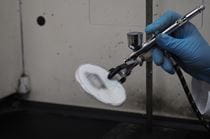
A group of researchers from the College of Engineering recently reported a method for spraying invisibly thin antennas, made from a type of two-dimensional, metallic material called MXene, that perform as well as those being used in mobile devices, wireless routers and portable transducers.
Francis Drexel Experts Available to Comment on Pope's Visit to Philadelphia

Pope Francis – and an estimated 1.5 million people – will descend upon the city of Philadelphia in late September as the capstone to the weeklong, international World Meeting of Families event, during which the Pope will deliver a public mass on the Benjamin Franklin Parkway. From concerns about security measures to transportation, anxiety is already on the rise among Philadelphians regarding how the city will handle the influx of tourists expected to double the city’s population. Drexel University experts are available to comment on a range of issues related to the visit including safety, public health, environmental impact, infrastructure preparedness and tourism. Experts also are able to weigh in about what this once-in-a-lifetime event – and the Pope’s progressive views – mean for the Catholic church.

Kapil Dandekar Drexel Antenna Research Helping to Boost The Performance of Commercial Wireless Networking Technology
Wireless antenna technology that originated in the College of Engineering has hit the market in the newest family of ZyXEL ’smart attennae’ designed to seek a better wireless connection.
belly band model Drexel Researchers Develop Smart Fabric Belly Band
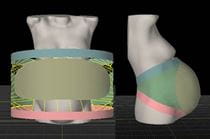
Tummy snugging maternity wear could soon be giving expecting parents peace of mind in addition to stylishly securing waistlines. Researchers at Drexel University are combining fashion design with wireless technology to produce a belly band that will be able to monitor uterine contractions and fetal heart rate in real time.