Q&A: Meet Drexel’s 2026 GSA President

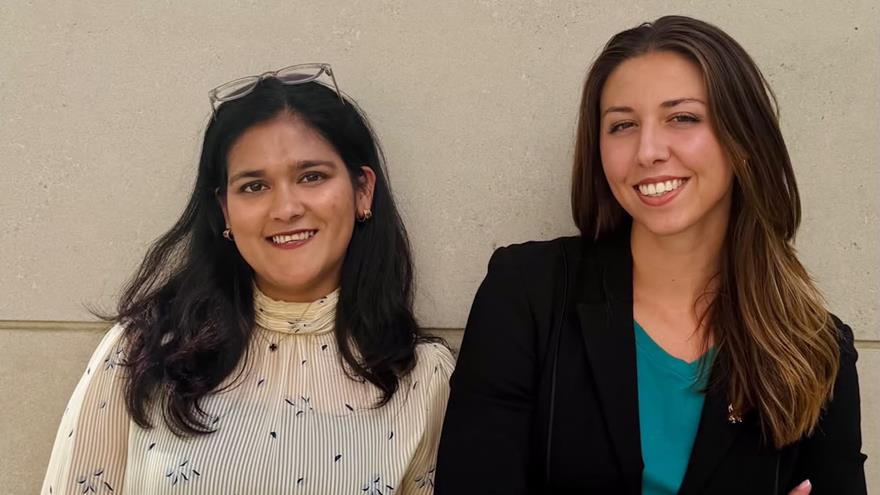

Kasonde Chewe. Photo courtesy of Chewe.
Drexel University’s Graduate Student Association (GSA) president has spent the summer preparing to bring as many resources as possible towards the graduate student community and hear as many of that community's voices as possible.
President Kasonde Chewe, a PhD student in biomedical engineering in the Nick Howley College of Engineering and Computing, first came to Drexel for a master’s degree in bioinformatics before falling in love with research. Now, he specializes in genomics and epigenetics at the Fox Chase Cancer Center and studies mechanisms related to different cancers, as well as mitochondrial aging. His first introduction to GSA was as the chair of academic affairs last year, during which he was involved in the Drexel Emerging Graduate Scholars (DEGS) event and other workshops and events.
Chewe is passionate about increasing opportunities for graduate students through initiatives including produce pop-ups, the GSA Plus Program and the Dragon Impact Grant. This year, the goal is to increase awareness of resources like these and others.
Q: What has it been like taking over as president?
A: Chewe: The summer is fantastic because you get to have your training wheels and figure out all the systems and processes and reach out to people. The Office of Graduate Studies has extended so much support, and we’ve been meeting with partners in the Provost’s office and the SORC (Student Organization Resource Center) has also been amazing in helping us get to know what systems and processes there are to deliver services and events to students as well. Now we’re going into fall term with Welcome Week and other events, and we’re ready to go. I'm thinking about what we can do to improve upon what the previous board did so students are more aware of resources.
Q: What are your goals for your tenure?
A: Chewe: One thing we always hear at events is, “Oh, that's cool. We didn't know that existed.” Part of the GSA Plus program is to show there are resources for mental health, for funding, so you can go to the platform we’re developing and understand all the resources here at Drexel, which I know can be overwhelming. That platform will also give you an opportunity to set reminders for things that are coming up so you don’t miss out.
We want to be a bridge and remind people they’re not going through this alone, and we can get them connected to the right people.
Q: What events do you want to bring to the Drexel community this year?
A: Chewe: GSA is partnering with Drexel AI (a resource organization) and the School of Computer and Information Science and a number of corporate partners to host a hackathon at Drexel University and highlight some of the computer resources that we have here, like the supercomputer cluster.
There’s also a workshop series we’re planning. Drexel has so many talented grad students who we really want to highlight for the skills they have, so we want to formalize a calendar each term for workshops where students can explore topics like how to make a poster, how to write an abstract or a literature review, or the impact of AI on higher education.
Q: What have you heard from grad students that is top of mind right now?
A: Chewe: Resource awareness is one thing that we constantly hear about, and resource utilization, so we talk to partners like Drexel’s Lindy Center for Civic Engagement and the Counseling Center about how we can help get students engaged. Another thing students are facing right now is uncertainty, especially with funding and what their job is going to look like in the future. Drexel is fantastic for the co-op program because it gives you a foot in the door into the industry already, so the next step is making sure that students who are graduating soon know how to approach all these things, like AI in the workplace.
We want to assess if we’re meeting students’ needs and bridging the gaps. How can we bring all these needs forward? We want to continuously bring these resources towards students.
Q: What advice would you give new graduate students who are just arriving at Drexel?
A: Chewe: I always want to highlight mental health resources like the Counseling Center. Sometimes just talking to somebody is good, whether you’re going through something difficult or just want to learn how you can be successful in your program and beyond. Also, every time we have an event, there’s lots of free food, so if you’re looking for pizza, we have that, as well as resources.
Try to say yes to as many things as possible. The most important thing you get out of grad school is the connections you make with your professors, and Drexel professors are amazing. Every time my department says they’re having an event or need ambassadors, I try to say yes, and that’s what makes the Drexel experience so special.
I like to call it my fire truck philosophy. When I was in kindergarten, we went to the fire department, and everybody was having a good time on the fire truck and I was scared. But the best things in life come out of saying yes and being engaged, and the best parts of graduate school come from not just standing outside of that fire truck. Say yes more than no.