-
November 29, 2016
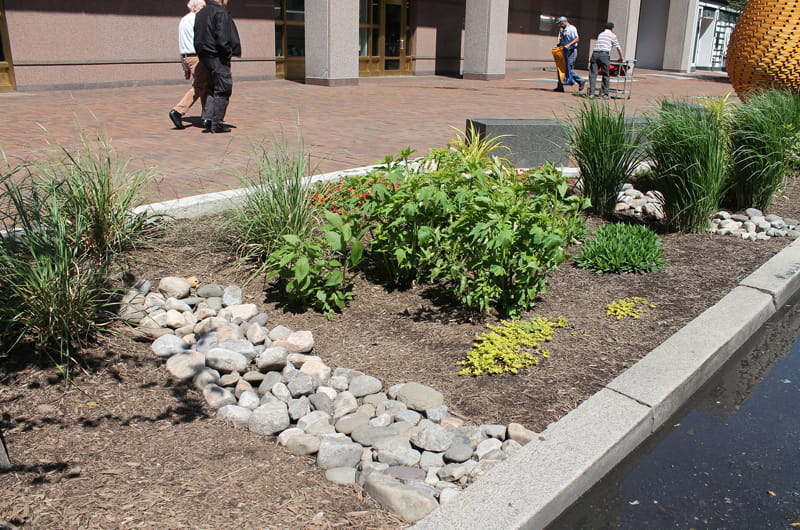
In the battle to adapt to and mitigate climate change caused by humans, most environmental engineers and climate scientists agree that cities are the front line. Due to the sheer density of their population, and the quantity of resources they consume, cities have the potential to most quickly and significantly affect—and be affected by—climate risks. They also have the ability to integrate climate resiliency into their plans for the future, according to environmental engineering professor Franco Montalto, PhD, who will direct a network of North American climate change researchers concerting their efforts via a new hub at Drexel University.
Read More
-

November 21, 2016
Bob Peck, senior fellow of the Academy of Natural Sciences of Drexel University, is celebrating 40 years as the museum’s “humanist” with the release of a new book and grateful reflections on a career like no other.
Read More
-
October 11, 2016
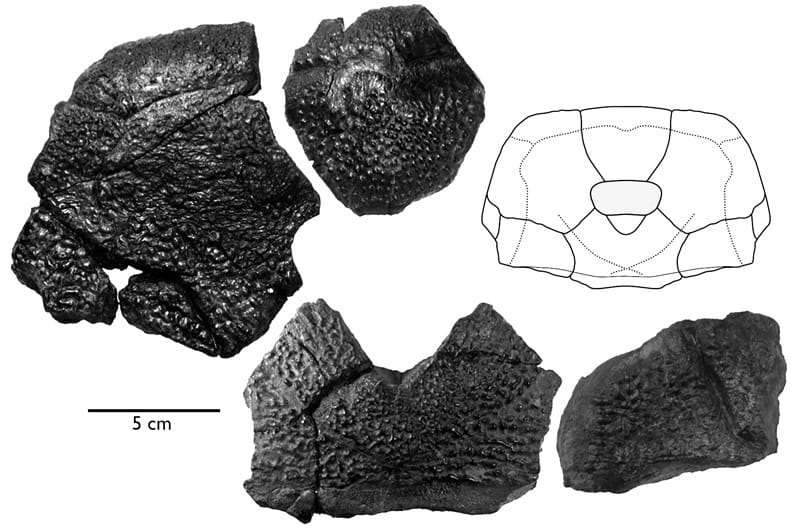
In the Arctic, a team that included scientists from the Academy of Natural Sciences of Drexel University found fossils of a giant new species of extinct armored fish that they named Bothriolepis rex — the new king of Bothriolepis.
Read More
-

September 15, 2016
Travel through time with new natural history collections from the Academy of Natural Sciences and others on Google Arts & Culture.
Read More
-

September 15, 2016
George W. Gephart Jr., who led the Academy of Natural Sciences into its affiliation with Drexel, will retire next year.
Read More
-
September 02, 2016
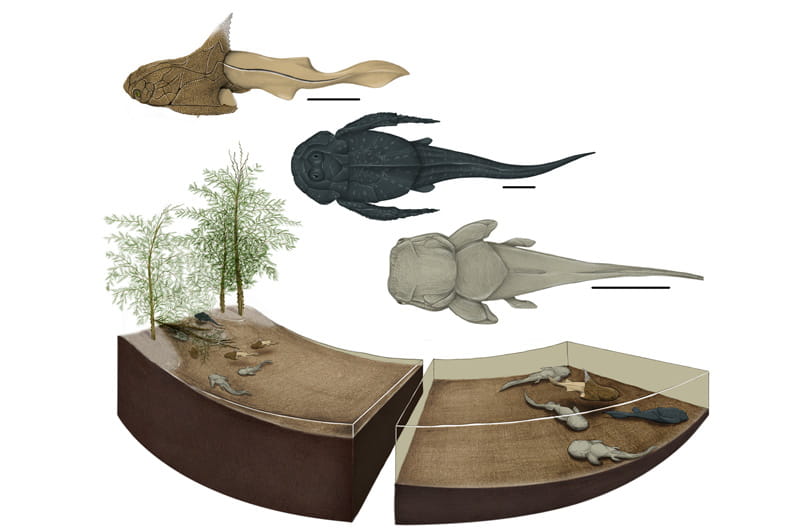
The discovery of a group of young, prehistoric fish fossils provides some insights into the extinct creatures’ lives — and how fish today might be similar to them.
Read More
-
August 16, 2016
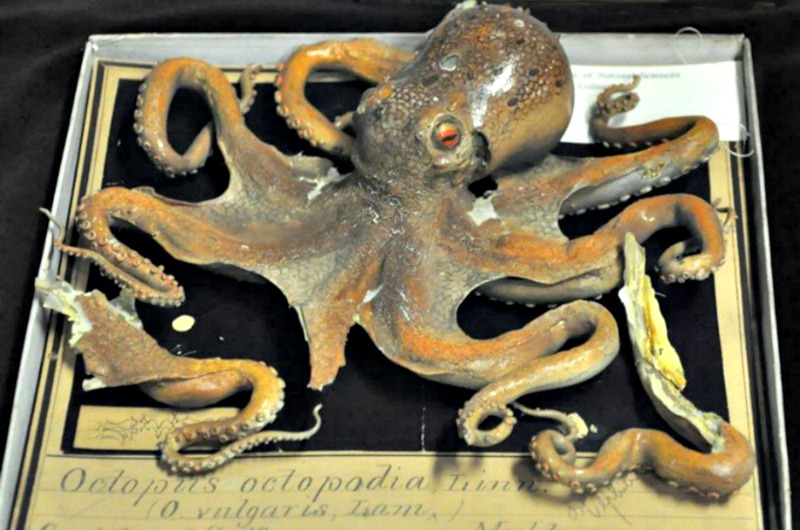
Over a century ago, scientists at the Academy of Natural Sciences were entranced and intrigued by the lifelike beauty of a collection of glass models of marine life created by German artisans and father-and-son team Leopold and Rudolph Blaschka, and made sure the delicate creations quickly became a part of the Academy’s collection.
Read More
-
August 08, 2016
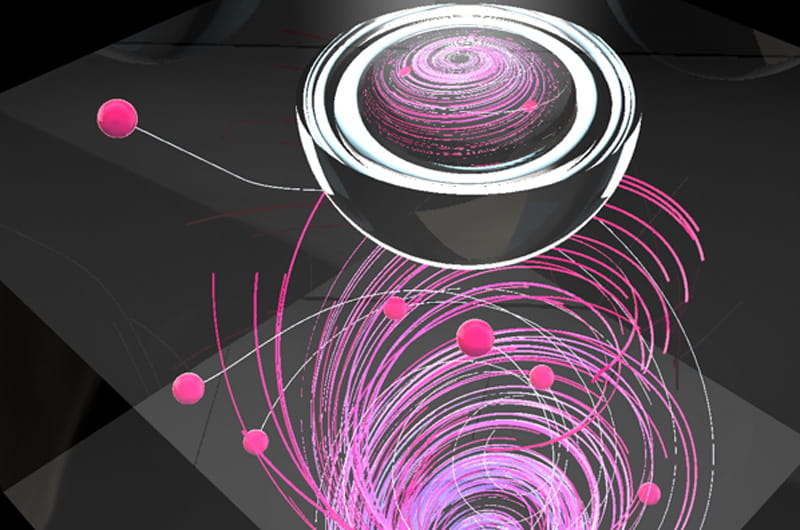
Designers of solar cells may soon be setting their sights higher, as a discovery by a team of researchers has revealed a class of materials that could be better at converting sunlight into energy than those currently being used in solar arrays. Their research shows how a material can be used to extract power from a small portion of the sunlight spectrum with a conversion efficiency that is above its theoretical maximum — a value called the Shockley-Queisser limit. This finding, which could lead to more power-efficient solar cells, was seeded in a near-half-century old discovery by Russian physicist Vladimir M. Fridkin, PhD, a visiting professor of physics at Drexel University, who is also known as one of the innovators behind the photocopier.
Read More
-

July 11, 2016
As Philadelphia prepares to host what is likely to be one of the largest and most historically significant Democratic National Conventions, Drexel experts are available to comment on issues ranging from the logistics of putting together the massive gathering and its historical significance, as well as addressing the biggest political issues that will face presumptive nominee Hillary Clinton.
Read More
-
June 29, 2016
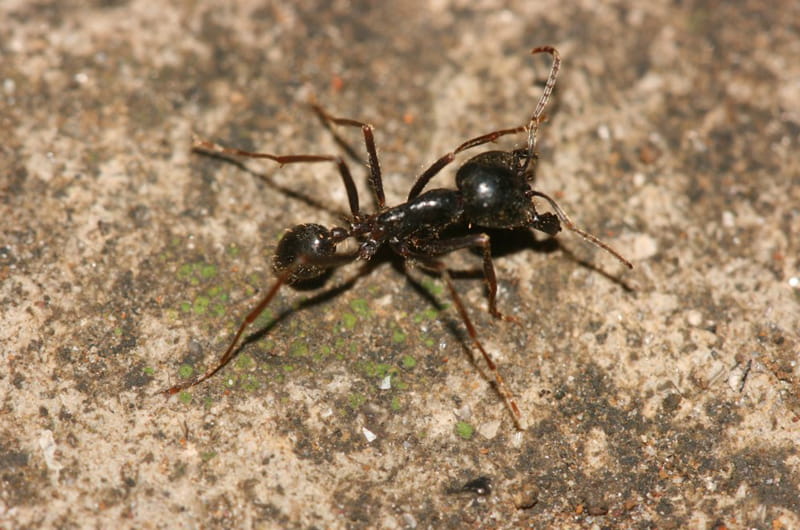
Underground army ants can keep their nests — called bivouacs — warm with their body heat; this social warming may enable fragile offspring to survive in chilly mountain forests , according to Drexel University researchers.
Read More