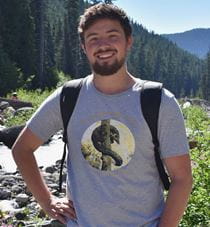
Headshot of Loÿc Vanderkluysen standing outside

Loÿc Vanderkluysen, PhD

Assistant Professor, Department of Biodiversity, Earth & Environmental Science
Expertise volcanoes geology

Loÿc Vanderklusen, PhD, studies volcano systems all the way from how they generate magma to what happens during an eruption and lava begins to flow. Because he received his doctorate at the University of Hawaii, Kilauea was one of the places Vanderkluysen was able to study firsthand.

He is available to talk about what happens during eruptions and how scientists monitor volcanoes, including visual monitoring, remote thermal sensing, geochemistry and the study of the composition of rocks themselves. 

Related from the Drexel News Blog

In The News

Russia Earthquake: Magnitude 8.8 Megaquake Hits Kamchatka, Generating Tsunamis Across the Pacific
Loÿc Vanderkluysen, PhD, an associate professor in the College of Arts and Sciences, was quoted in a July 30 Live Science article about a recent 8.8 magnitude earthquake in Russia’s Far East Kamchatka Peninsula that set off tsunami warnings in Japan, the U.S. and other countries across the Pacific Ocean.
What is the Pacific Ring of Fire?
Loÿc Vanderkluysen, PhD, an associate professor in the College of Arts and Sciences, was quoted in a July 28 Live Science article about the Pacific Ring of Fire, a horseshoe-shaped belt of volcanoes known for explosive eruptions and intense earthquakes.
Iceland Battles a Lava Flow: Countries Have Built Barriers and Tried Explosives in the Past, but It’s Hard To Stop Molten Rock
Loÿc Vanderkluysen, PhD, an associate professor in the College of Arts and Sciences, authored a Jan. 17 article in The Conversation about lava diversion methods and the recent volcanic eruption in Iceland. The article was republished on Jan. 18 by The San Francisco Chronicle and several additional regional outlets. Vanderkluysen was also quoted in a Jan. 18 The Science Times article about dams built to protect Icelandic towns from lava.
As New Zealand Island Volcano Vents Again, GeoNet Warns: 'Eruptions in the Next 24 Hours Are Still Likely'
Loÿc Vanderkluysen, PhD, an assistant professor in the College of Arts and Sciences, was quoted in Dec. 9-10 stories byNational Geographic, USA Today, Reuters, the Independent and Mirror about a recent volcanic eruption in New Zealand. The USA Today and Reuters stories were picked up by media outlets throughout the country, including The New York Times.
Spitting Volcano Keeps Search Parties off New Zealand’s White Island
Loÿc Vanderkluysen, PhD an assistant professor in the College of Arts and Sciences, was quoted in Dec. 9 USA Today and Reuters stories which were picked up by media outlets throughout the country, including CNBC, about a recent volcanic eruption in New Zealand.
Were Dinosaurs Killed Off By Asteroids or Volcanoes? It's Complicated
Löyc Vanderkluysen, PhD, an assistant professor in the College of Arts and Sciences was quoted in a Feb. 21 Agence France-Presse story about his research that helped to determine the age of the Deccan lava flows in India, that have been theorized as occurring when dinosaurs became extinct. The story was picked up by a number of media outlets, including Yahoo! News.
Why So Many People Choose to Live Near Active Volcanoes
Loÿc Vanderkluysen, PhD, an assistant professor in the College of Arts and Sciences, was quoted in a Feb. 18 Gizmodo story about why people live near volcanoes.
The Galápagos Islands: Laboratory of Evolution
Loÿc Vanderkluysen, PhD, an assistant professor in the College of Arts and Sciences, was quoted in a June 22 LiveScience article about the Galápagos Islands.

Related Articles

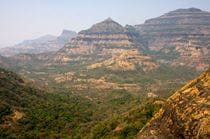
Layered lava flows from the Bushe and Poladpur Formations near the village of Tail Baila. Image credit, Courtney Sprain. Did an Asteroid Cancel Dinosaurs? The Truth is in the Lava
About sixty-six million years ago a planet-wide catastrophe brought the non-avian dinosaurs to their demise, and the end of the Cretaceous period was marked by a mass extinction of its fauna and flora. New data, published in the journal Science, says it’s possible that intense volcanic eruptions in India coincided with the worldwide extinction – ultimately cementing the fate of the massive reptiles.
Nick Barber Drexel Student Finds Perfect Fit for Volcano Research Through Gates Cambridge Scholarship
Nicholas Barber, a geoscience student from the College of Arts and Sciences, has become the second Drexel student to be awarded the prestigious Gates Cambridge Scholarship, making his PhD program at the University of Cambridge cost-free.
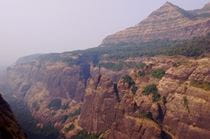
Layered lava flows of the Deccan Traps east of Mumbai, India. Photo by Mark Richards. Did Asteroid Impact or Volcanic Eruption Kill the Dinosaurs? Probably Both, Says New Study
Was it an asteroid impact on Earth 66 million years ago that wiped out the dinosaurs? Or the eruption of volcanoes in India for hundreds of thousands of years? For decades, paleontologists and geologists have debated the role these two global events played in the last mass extinction.But compelling new evidence supports the hypothesis of a group of geoscientists: that the asteroid’s impact ignited volcanoes around the globe, most catastrophically in India, and that, together, these planet-wide catastrophes caused the extinction of many land and marine animals, including the dinosaurs.
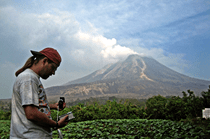
Loÿc Vanderkluysen, PhD, monitors the active volcano Sinabung in Indonesia. Q&A: Understanding the Eruption and Rescue Efforts at Japan's Mt. Ontake
Drexel vulcanologist Loÿc Vanderkluysen, PhD, provides insight into the science of volcanos and what challenges remain during the ongoing rescue effort in Japan.
Top