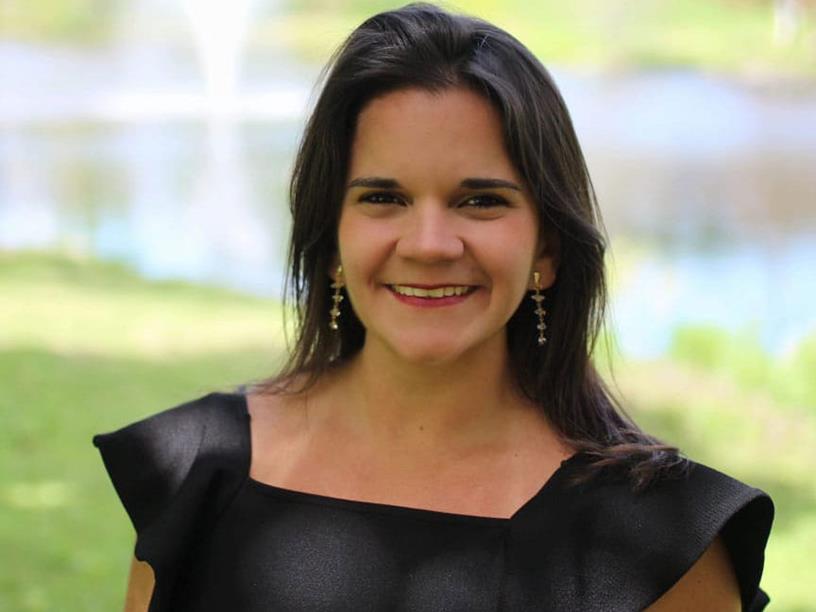
Amanda Carneiro Marques

Amanda Carneiro Marques, PhD

Assistant Professor of Civil and Environmental Engineering

Marques studies the effects of development, infrastructure and climate change on water quality. She has developed methods for using hydrologic modeling and machine learning to pinpoint sources of contamination — such as runoff from urban infrastructure and agricultural areas, and the use of road salt and deicing chemicals — within a watershed; and she uses this data to design mitigation solutions.


Her work also centers on projecting how climate change will affect water supply and quality. Drawing on her professional experience in water treatment and watershed management, Marques provides research-based guidance for municipalities and water management companies that are working to address these challenges.


Marques leads the Water, Sustainability and Climate Research Group in Drexel’s College of Engineering, which is dedicated to translating scientific findings into action to promote water sustainability and environmental conservation. She has published research and presented extensively on techniques for identifying and tracing contamination patterns in surface and groundwater and exploring the link between the two.


Marques holds degrees in Civil and Environmental Engineering from the University of Massachusetts Amherst, Universidade Federal do Rio de Janeiro (Brazil) and Universidade Federal Fluminense (Brazil). She is also a native speaker of Portuguese.
In The News

Researchers Show How Consumers Can Impact Stormwater Runoff, Pollution in Areas Like Camden
Fernanda Cruz Rios, PhD, an assistant professor in the College of Engineering and Computing, was quoted in a May 27 TAP Into Camden story about her research with Amanda Carneiro Marques, PhD, an assistant professor in the College, looking at the effectiveness of household stormwater management solutions, like rain barrels.
What's Missing In Cities' Climate Resilience Interventions? Three New Studies Assess
Amanda Carneiro Marques, PhD, and Fernanda Cruz Rios, PhD, both assistant professors in the College of Engineering, were quoted in a May 9 Earth.com story about their research showing that household water conservation and reuse strategies, like rain barrels and low-flow toilets, are helping to reduce the volume of flooding in coastal urban areas, like Camden, New Jersey. The research was also mentioned in a May 8 Next City story about climate resilience interventions in cities.
Experts Recommend a 'Road Salt Diet' as Snowstorm Hits the Philadelphia Region
Amanda Carneiro Marques, PhD, an assistant professor in the College of Engineering, was quoted in a Jan. 19 WHYY story about how to better manage the use of road salt to prevent water pollution from runoff.

Related Articles

rain drop on barrel Rain Barrels and Other Household Stormwater Strategies Are Working — For Now.  
In the last two decades coastal urban areas have taken steps to better minimize flooding and runoff by creating more permeable surfaces and encouraging residents to participate in water retention and use-reduction programs. These efforts, ranging from adding rain barrels and cisterns, to installing water-efficient fixtures, are making a difference, according to new research from Drexel University. And they may play an even more important role as sea level rise and the extreme weather effects of climate change increase the threat of flooding in these communities.
Top