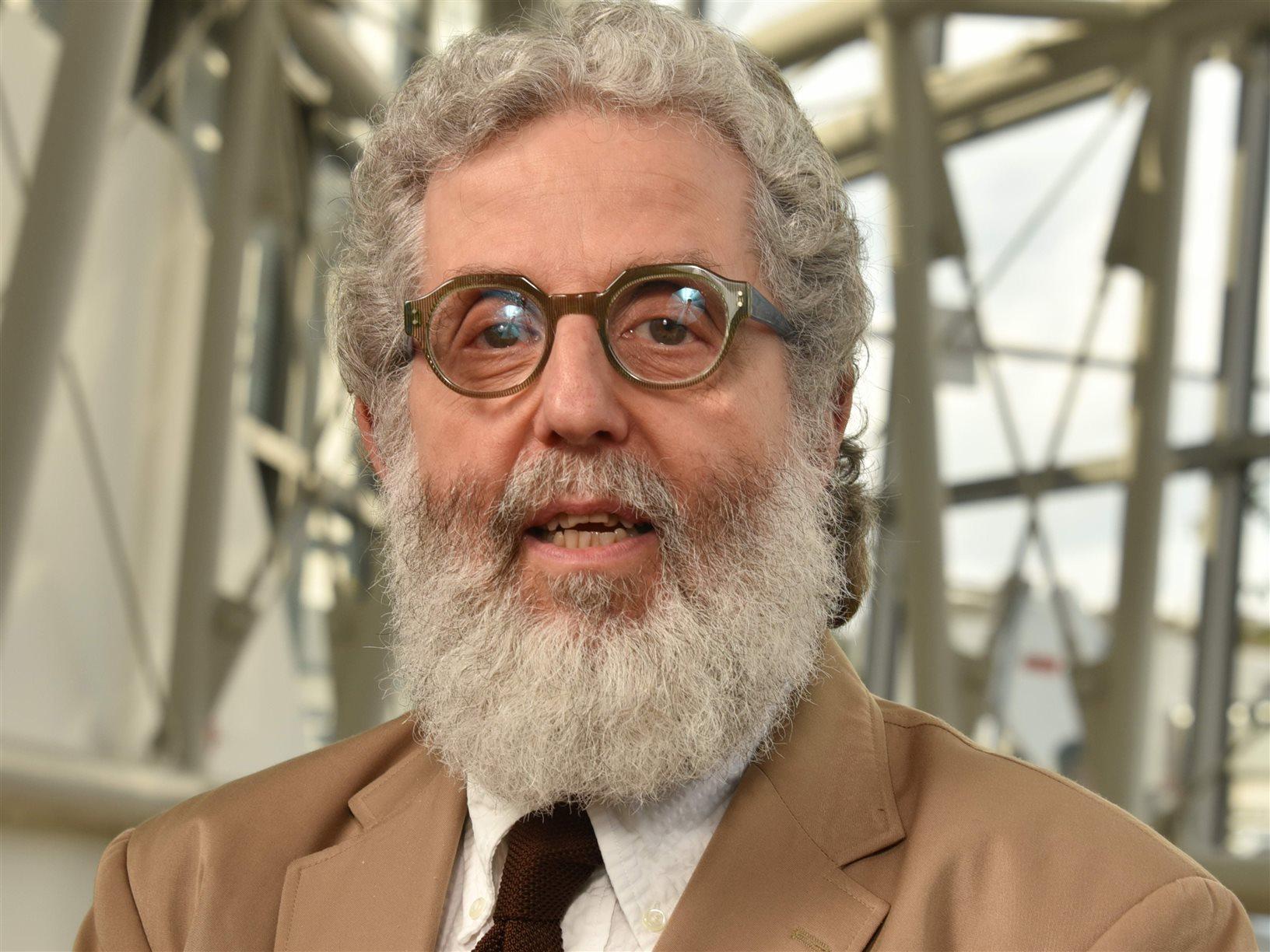
Charles Haas, PhD

LD Betz Professor of Environmental Engineering

Haas is a faculty member in Drexel's Department of Civil, Architectural and Environmental engineering, his research interests include water treatment, risk assessment, bioterrorism, environmental modeling and statistics, microbiology, environmental health.

His research focuses on the treatment of drinking water. Specifically, Haas has studied the chemical disinfection processes, inactivation of emerging pathogens by disinfectants and the use of computational fluid dynamics for process modeling. Haas is also an expert in risk management and industrial waste treatment. A recipient of the 2003 Distinguished Alumnus Award from the International Ozone Association, Haas was listed among "Who's Who in the World" (2001) and was elected as fellow of the American Association for the Advancement of Science. 
Related from the Drexel News Blog

In The News

Legionnaires’ disease outbreak in Philadelphia in 1976 was mysterious and deadly – 50 years later, scientists know the cause but outbreaks continue
Charles Haas, PsyD, LD Betz Chair professor of environmental engineering, and Robert Promisloff, DO, a clinical professor emeritus of medicine in the Division of Pulmonary & Critical Care Medicine, co-authored a June 19 column for The Conversation about the Legionnaires’ disease outbreak 50 years ago in Philadelphia and how scientists know the cause but outbreaks continue.
What's The Best Way to Dispose of Leftovers This Thanksgiving?
Charles Haas, PhD, LD Betz professor of Environmental Engineering in the College of Engineering, was quoted in a Nov. 27 WHYY story about how best to dispose of food waste.
A Noninvasive System for Identifying Lead Pipes
Ivan Bartoli, PhD, an associate professor in the College of Engineering, was interviewed in a March 16 Matter of Fact with Soledad O’Brien story featuring his research with Charles Haas, PhD, LD Betz professor of Environmental Engineering, and Kurt Sjoblom, PhD, a former professor in the College, to develop a noninvasive system for identifying lead pipes. The story aired locally on KYW-TV (CBS-3) and was syndicated to dozens of outlets across the country.
Philly’s Effort To Find Viruses in Poop Is Still Backed Up
Charles Haas, PhD, LD Betz professor of Environmental Engineering, was quoted in a May 2 Philadelphia Inquirer story about the city's struggles to implement wastewater surveillance testing.
Companies Have Discharged Millions of Pounds of Toxic Chemicals in the Delaware River the Last Five Years, Records Show
Charles Haas, PhD, LD Betz professor of Environmental Engineering in the College of Engineering, was quoted in a March 31 Philadelphia Inquirer story about sources of toxic chemicals that are released, at legal levels, into the Delaware River.
During a Chemical Spill, Philly Was Unable to Switch Water Sources. Here’s Why That Matters
Charles Haas, PhD, LD Betz professor of Environmental Engineering in the College of Engineering, quoted in a March 29 WHYY story about how Philadelphia's water treatment infrastructure could become more resilient.
What Is Going On With Philadelphia’s Drinking Water?
Arthur Frank, MD, PhD, a professor in the Dornsife School of Public Health, and Charles Haas, PhD, LD Betz professor of Environmental Engineering in the College of Engineering, were quoted in March 27 Vox and Philadelphia Inquirer stories about how Philadelphia is dealing with possible contamination in one of the rivers that supplies water to the city.
Get the Lead Out! A Fresh Approach to a Longtime Water Pipe Problem
Charles Haas, PhD, LD Betz Professor of Environmental Engineering in the College of Engineering, was a guest on the March 9 episode of KYW-Newsradio's "In Depth" podcast to discuss his team's efforts to develop lead pipe detection technology that could help Philadelphia locate and replace its aging water infrastructure.

Related Articles

shower head Drexel and Arizona State Researchers Look at Risk of Infection From Water in the Air at Home
Researchers from Arizona State University and Drexel University have developed a more detailed framework for understanding and managing the risk of transmitting a bacterial disease via water spray from sinks, showers and toilets. As continuous testing of indoor water is not always feasible, the guidelines can help to identify water use situations that could increase the risk of exposure.
water treatment workers CDC/WHO Ebola Guidelines Could Put Sewer Workers at Risk
Research from Drexel University and the University of Pittsburgh suggests that guidelines for safe disposal of liquid waste from patients being treated for the Ebola virus might not go far enough to protect water treatment workers from being exposed. In a study recently published in the journal Water Environment Research, a group of environmental engineering researchers reports that sewer workers downstream of hospitals and treatment centers could contract Ebola via inhalation — a risk that is not currently accounted for in the Centers For Disease Control and Prevention or World Health Organization Ebola response protocol.
sink Could Low-Flow Create High Risk? EPA Taps Drexel to Study Water Quality Impact of Conservation Practices
As public awareness of the need for water conservation, and new water-saving technology, have become increasingly effective at stemming excess water use, new questions are surfacing about how our plumbing, which was built to handle a regular flow of water, might now be a risk factor for bacterial and chemical contamination. In hopes of preventing future public health crises related to the systems that carry and treat our water, the Environmental Protection Agency is tasking a team of researchers, led by Drexel University, with a $2 million project to bring together existing and new experimental data onbuilding plumbing—the stretch of pipes that takes water from main to tap—into a risk assessment tool that can guide new water use and safety regulations.
ebola virus Collaborative Research Reveals Ebola Might Survive in Wastewater Longer Than Expected
The historic outbreak of Ebola virus disease in West Africa that began in March 2014 and has killed more than 11,000 people since has raised new questions about the resilience of the virus and tested scientists’ understanding of how to contain it. The latest discovery by a group of microbial risk-assessment and virology researchers suggests that the procedures for disposal of Ebola-contaminated liquid waste might underestimate the virus’ ability to survive in wastewater.
Francis Drexel Experts Available to Comment on Pope's Visit to Philadelphia

Pope Francis – and an estimated 1.5 million people – will descend upon the city of Philadelphia in late September as the capstone to the weeklong, international World Meeting of Families event, during which the Pope will deliver a public mass on the Benjamin Franklin Parkway. From concerns about security measures to transportation, anxiety is already on the rise among Philadelphians regarding how the city will handle the influx of tourists expected to double the city’s population. Drexel University experts are available to comment on a range of issues related to the visit including safety, public health, environmental impact, infrastructure preparedness and tourism. Experts also are able to weigh in about what this once-in-a-lifetime event – and the Pope’s progressive views – mean for the Catholic church.

biosafety How Long Can Ebola Survive Outside the Body?
Ebola is transmitted from person to person through bodily fluids, but Drexel researchers have found that there is not much information on how long the virus can live outside of the human body.
water research Drexel, NJIT and Rowan to Concert Water Research Efforts
Researchers from Drexel University, the New Jersey Institute of Technology and Rowan University are aligning themselves with government, private and advocacy groups in hopes of solving challenges that affect the region’s water resources. The research alliance, supported by scholars from all three academic institutions, will function as a data resource, a policy think tank and a lab for creating new technology.
North America: Ted Daeschler (second from right) with his team on Ellesmere Island. Spanning the Globe: Drexel Research Reaches Around the World in 2014
Where in the world have Drexel professors conducted research in 2014? The answer: all seven continents.
Top