Policy Evaluations
For the latest updates and current SALURBAL activities, including SALURBAL-Climate, please visit the SALURBAL Portal.
This page serves as an archive for SALURBAL and is no longer being updated regularly.
Urban Policies and Health
Policies and interventions in many sectors (including transport, housing, urban planning, food policy, and others) affect the health of people living in cities. With the right information and evidence, cities can design policies across these sectors to promote health, wellbeing, and environmental sustainability. Learn more about how urban policies impact health in SALURBAL’s policy briefs.
Why Evaluate Urban Policies?
Evaluating existing urban policies provides important evidence to policymakers as they design and implement future policies and interventions. These evaluations also improve understanding of the challenges and opportunities associated with real-world policy evaluations, providing lessons to support future research design and implementation.
SALURBAL's Policy Evaluation Studies
The SALURBAL project is implementing six studies to evaluate the health and environmental impacts of city and neighborhood-level policies and interventions. In each case, an upcoming or recently implemented policy was identified, and a plan for evaluating the health and environmental impacts of this policy or intervention over time was proposed.
Learn more:

Vision Zero - CDMX, Mexico
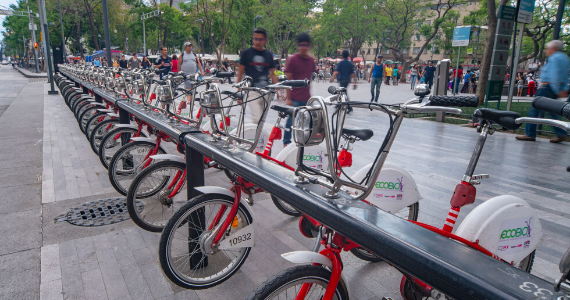
EcoBici - CDMX, Mexico
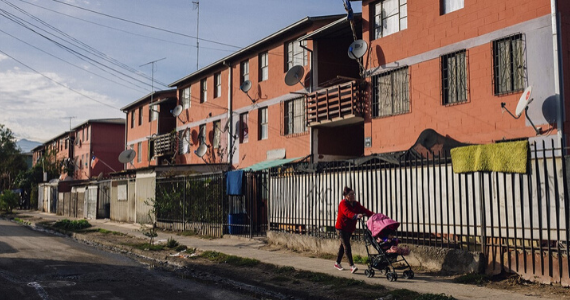
RUCAS - Chile
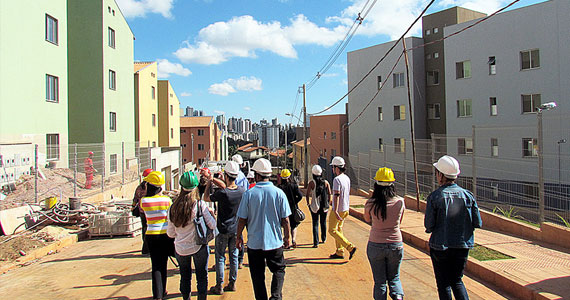
Vila Viva - Belo Horizonte, Brazil

Food Labels - Lima, Peru

TransMiCable - Bogota, Colombia
Partnerships and Dissemination of Results
Each study depends on the engagement and support of many local partners, including community members and leaders, civil society organizations, government agencies, the private sector, and representatives from academic institutions. These partners provide vital insights to support the design and implementation of this research to ensure that its findings are relevant and accessible to community members and other local stakeholders.
Once SALURBAL’s policy evaluation studies are completed, researchers will disseminate their findings back to these partners to support local decision-making and action.