Building a Future in Military Medicine Through Drexel’s ROTC Program
March 19, 2026
Sophomore health science major David Chicu dreams of becoming a preventative medicine officer for the U.S. Army. Although he has a long road ahead, his foundation starts here at Drexel through the ROTC program.
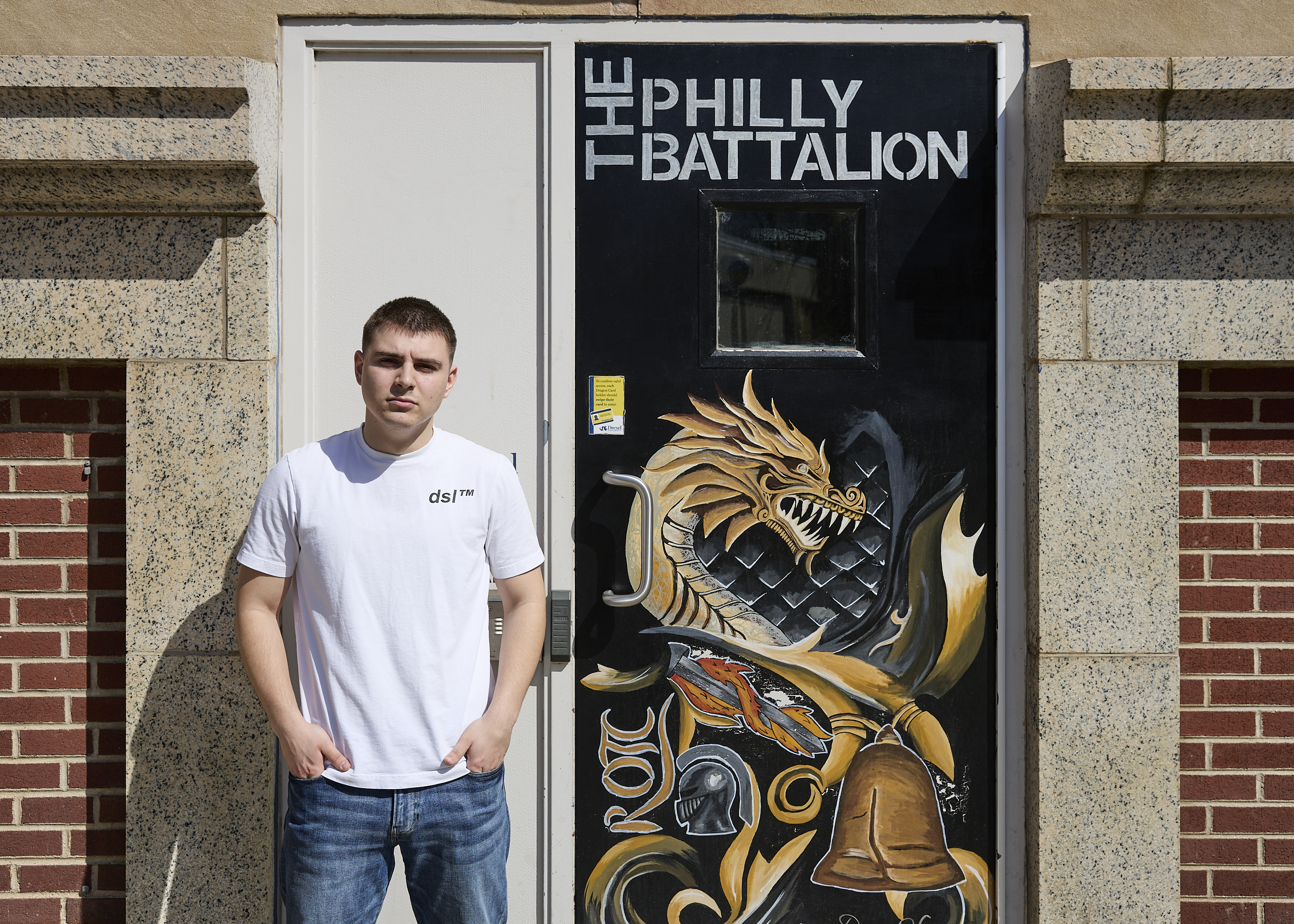
Established in 1916, the Army Reserve Officers’ Training Corps (ROTC) is the largest officer-producing organization within the American military. Over 600,000 civilians have earned a commission through the program, including a sitting Supreme Court Justice. The ROTC began to integrate military training with civilian institutions of higher learning to ensure that trained military leaders would be available on short notice. Drexel University’s ROTC program was established in 1918.
Preventative medical officers are responsible for supervising and providing direct patient care, recommending methods to improve overall wellness and implementing various programs to maintain health, improve fitness and prevent disease or injury. They are also responsible for conducting medical research and participating in the education and training of medical students and personnel as part of the Army’s robust and reliable medical system.
Chicu explained that the program opened doors that allowed him to continue his education as a first-generation student. “The ROTC program allowed me to experience what the Army was like and form connections to make for my later career in life,” Chicu said. “I also received a scholarship for the US Army Reserves, which mandates I am part of the ROTC program at Drexel.”
Students in the Army Reserve Officers’ Training Corps (ROTC) program complete their academic and military studies concurrently, and upon graduation will be commissioned as lieutenants in the United States Army, Army Reserve or Army National Guard.
Chicu also expressed his appreciation for the ROTC program at Drexel, citing it as one of his favorite aspects of his day.
“I have a love for what I do in ROTC,” he added. “Whether it's going on runs at 6:30 in the morning or the different exercises and scenarios we do for lab, it's one of my favorite activities of the day.”
Starting as a mathematics major, the sophomore’s year’s journey to a medical career was atypical. He cited that the flexibility of the health science program was a determining factor in the switch.
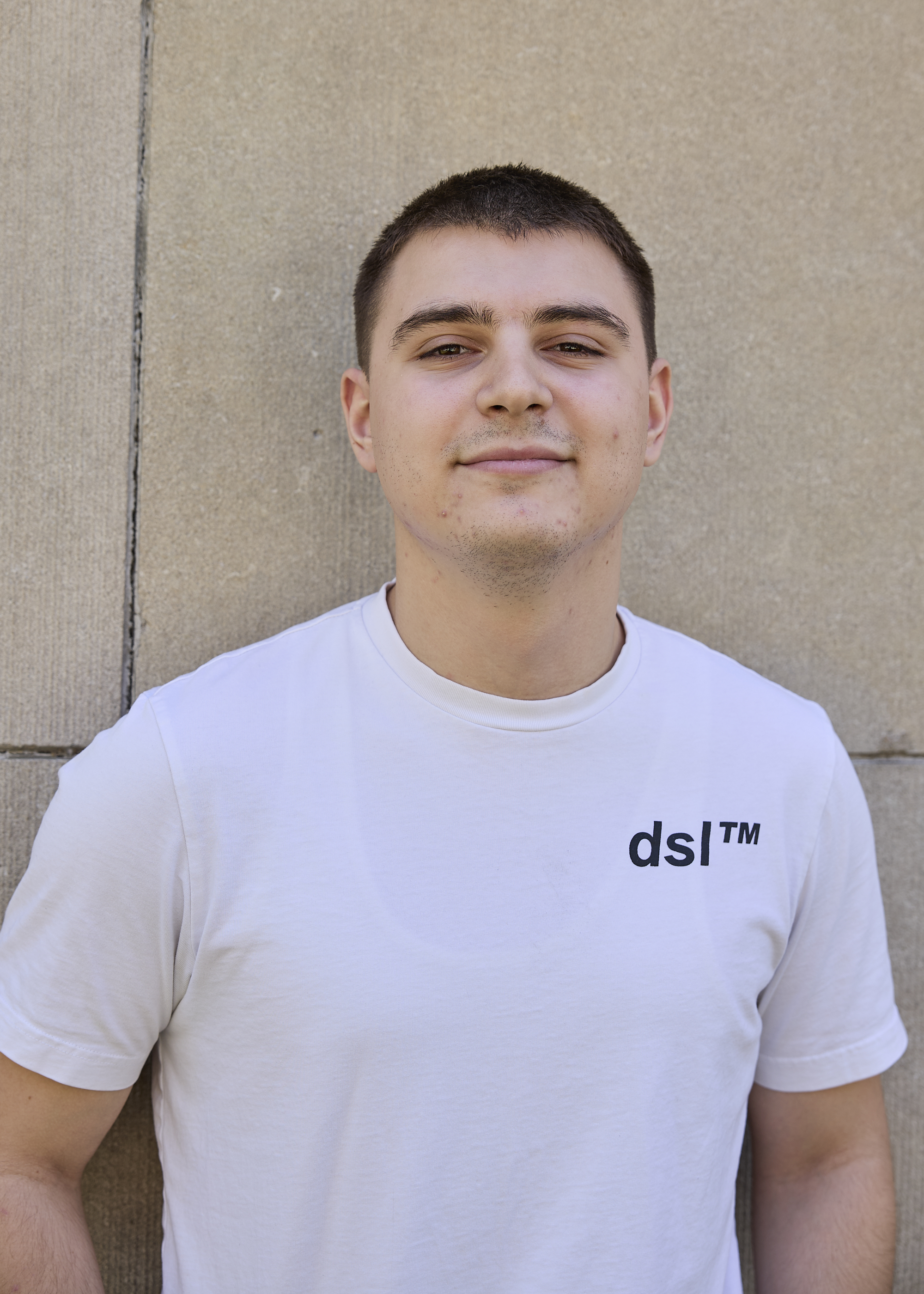 “I initially entered Drexel as a mathematics major, but I chose to pursue health science because I wanted to do something more hands-on and medically involved. I saw myself as someone who can be a great addition to the medical world. Being a health science major allows me to apply my knowledge to anything from a pre-med track to a nutritional focus,” he said.
Chicu also noted that the faculty and staff were instrumental in his interest in different fields of medicine. “It [the health science program] familiarized me with some of Drexel's faculty as well and even got me connected with Dr. Robert Hand in PT, who had an amazing impact on my thoughts regarding the Physical Therapy field,” Chicu explained.
Awaiting his first co-op experience, Chicu hopes to land a position at the Children’s Hospital of Philadelphia (CHOP) or the Stephen and Sandra Sheller 11th Street Family Health Services clinic in physical therapy.
For now, Chicu will remain involved in Drexel University College of Medicine's Military Medicine Club and setting his sights on joining the Rugby Club at Drexel next fall.
Story by: Myleah Herbert, marketing '25
Photography by: Izidor Peterson, photography '27