Community-Level Preparedness and Recovery for Increasingly Severe Weather
Across the United States, communities are experiencing storms, heatwaves, floods, and wildfires at a frequency and intensity once unimaginable. At the same time, aging infrastructure, overburdened health systems, and emergency frameworks designed for a bygone era are failing to keep pace with today’s climate realities.
More than 300 representatives from community-based organizations, public health, emergency management, academia, utilities, philanthropy, insurance and finance were consulted over this year to share their communities’ experiences with severe weather. The results of this gathering, and the discussions and data collection that followed, are summarized in a new report from Drexel University’s The Environmental Collaboratory that identifies avenues for preparing, protecting and supporting communities that have been most affected by increasingly common severe weather.
The community-level preparedness for increasingly severe weather project mobilizes cross-sectoral leaders and amplifies urgent collaborative actions to protect each other. We need your participation, your ideas, and your willingness to step up to this challenge. We encourage all our readers to look for actions they can take now to build safer, more resilient, and more prepared communities.
This video introduces the 2025 report Community-Level Preparedness and Recovery for Increasingly Severe Weather. The report outlines the challenges communities face during extreme weather events and provides actionable guidance for preparedness and recovery. Based on discussions with hundreds of stakeholders, The Environmental Collaboratory at Drexel University identified key actions to strengthen preparedness, bolster community resilience, reduce loss of life and livelihood, and help communities thrive into the future.

Severe Weather, Severe Consequences
The climate crisis is no longer a distant threat; it is the defining challenge of our time. Across the country, communities are enduring extreme weather at a frequency and intensity which was once unimaginable: lethal heatwaves, catastrophic floods, fast-moving wildfires, devastating storms. At the same time, our public infrastructure is aging, health institutions are surpassing capacity, and emergency systems designed decades ago are not meeting the urgency of today. Those who absorb the impact first and foremost are our neighbors, our elders, our children, our workers, and our friends already carrying the weight of inequity.
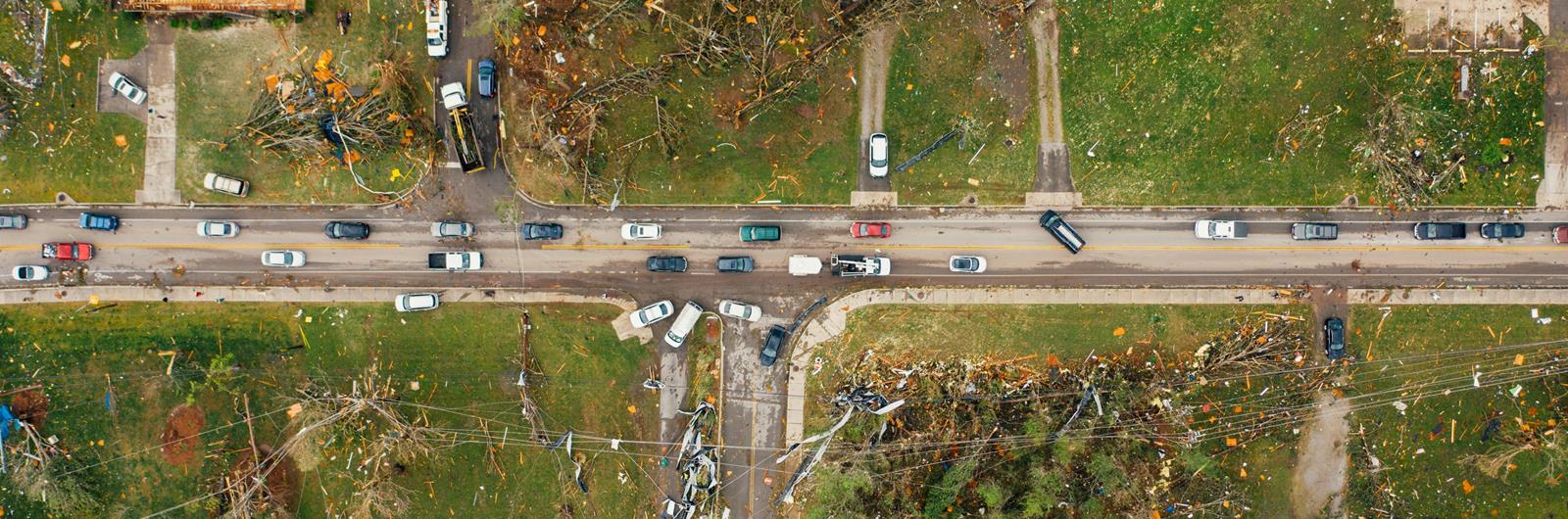
Recent disasters across the country show that even well-resourced places are struggling to keep pace with accelerating climate threats, with warning systems failing, emergency alerts going unsent, and development continuing in areas known to be at high risk. Rising temperatures are straining infrastructure, pushing hospitals and first responders beyond capacity, and driving up rates of heat-related illness, chronic health complications, and preventable deaths, especially in communities already facing structural inequities. Extreme heat and severe weather are also disrupting work, damaging crops and supply chains, and causing families to lose income as businesses and local economies absorb repeated shocks. Recovery becomes even more unaffordable as uninsured or underinsured households face repair costs far exceeding what federal assistance can cover, while aging water, power, and transportation systems reveal widening vulnerabilities each time a storm, wildfire, or flood hits. Together, these compounding impacts illustrate how increasingly severe weather is eroding the foundations of community health, safety, and economic stability, underscoring the need for proactive planning and resilient investments before disasters occur.
What’s Wrong with What We’re Doing Now?
The reaction-based approach to disaster management leaves our communities scrambling disaster after disaster in a cycle of response and recovery. Shifting our focus to preparedness can reverse and transform this spiral. The U.S. Chamber of Commerce notes that every $1 USD invested in resilience saves $13 USD in recovery costs. Drawing from the 2025 regional convening hosted by The Environmental Collaboratory at Drexel University and consultation with stakeholders that included community residents and environmental justice organizations, state and local governments, regional planning and housing organizations, regional and national environmental organizations, public health professionals, insurance, impact investment firms, and utilities , we composed a report which reflects our call to invest in preparedness: the threats we face are multidimensional, and our response must be as well.
Effective severe weather preparedness requires inclusive early warning systems, multilingual and accessible communication, and localized real-time data that reflect community conditions. This includes mandating accessible alerts, integrating community-collected information into public dashboards, and resourcing grassroots organizations that are often first responders. Emergency planning must center vulnerable populations by identifying representation gaps, compensating community representatives, incorporating functional needs data, and ensuring up-to-date access. Clear, coordinated evacuation strategies, strong heat-response measures such as right-to-cooling policies, and consistent intergovernmental communication are also essential. Municipalities need greater capacity, shared planning frameworks, and equitable land-use strategies, while the private sector must adapt insurance and financial systems, strengthen hospital readiness, modernize utility infrastructure, and ensure chemical plants have fail-safe protections and transparent evacuation plans to safeguard frontline communities from growing climate-driven risks.

What can we do?
Cultivating resilience within communities requires shared responsibility, aligned investment, and the humility to recognize that the voices closest to the problem must be central to the solution. The Environmental Collaboratory is committed to this work, but lasting progress depends on all of us.
Within the pages of the report, we have outlined practical, achievable steps that governments, institutions, organizations, private sector and individuals can take now to strengthen preparedness, bolster community resilience, reduce loss of life and livelihood and thrive into the future. We invite you to see yourselves in this report, to consider the reach of your actions, and to join us in building safer, healthier, and more prepared communities. Explore what you and your organization can do to further your community’s preparedness for severe weather in our video campaign.
Together, we can transform our preparedness systems from reactive to resilient, from fragmented to coordinated, and from inequitable to just. The stakes could not be higher. The time to act is now.
The report identified the following community needs as priorities:
Accessible, multilingual early-warning systems and culturally relevant emergency communication.- Localized, real-time data that integrate community-collected information into public dashboards.
- Equitable resourcing of grassroots organizations, which are often the first to respond during disasters.
- Centering vulnerable populations through compensated community participation, updated access and functional-needs data, and inclusive planning processes.
The report outlines practical, achievable steps that governments, institutions, private-sector leaders, community organizations, and residents can take now to reduce loss of life and livelihood, strengthen preparedness and build long-term community resilience. These include:
- Launching public education and communications campaigns.
- Creating policy and best practice resource guides.
- Collecting data and coordinating research.
- Sharing knowledge through accessible platforms.
- Convening stakeholders to facilitate knowledge building.

Heat Gap Memo