Unusual Photothermal Response in 2D MXenes Offers New Route to Light-Driven Memory Devices
A Drexel-led study has revealed an unusual thermal response in a lesser-known 2D material, unlocking new possibilities for low-power, light-driven memory devices. The findings challenge assumptions about MXene behavior and point to new directions in optoelectronic design.
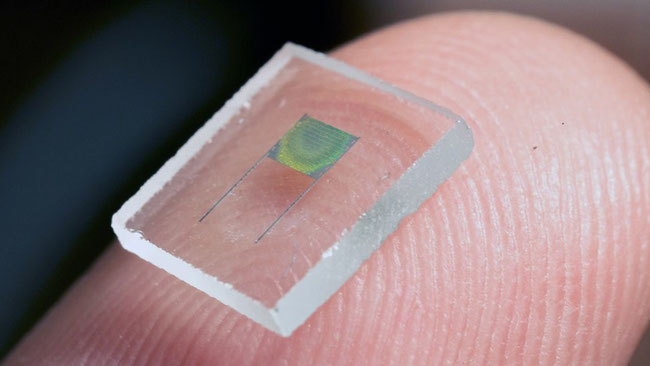
MXene Hearing Aid Microbattery Design Selected for DOE Competition
A team of researchers from the Drexel Nanomaterials Institute are among eight teams to win Phase 1 of the Department of Energy’s Microbattery Design Prize competition.

MXene Immune Cell Research Takes Flight
Drexel researchers test MXene's impact on immune cells in zero gravity, aiming to enhance astronaut health.

Drexel Nanomaterials Institute Researchers Receive ECS Fellowships
Two of the five 2023 ECS summer fellowships have been awarded to researchers within the A. J. Drexel Nanomaterials Institute (DNI).

Gogotsi Named as National Academy of Inventors Fellow
Membership is this highest professional distinction for academic inventors.
Gogotsi Awarded DOE Grant for Clean Energy Solutions
The funds will support research into renewable energy and “low-carbon manufacturing” to cut emissions and improve existing technologies.

Drexel Hosts Second International MXene Conference
Leading players in materials science gathered to discuss basic research problems and future applications for the novel two-dimensional materials.
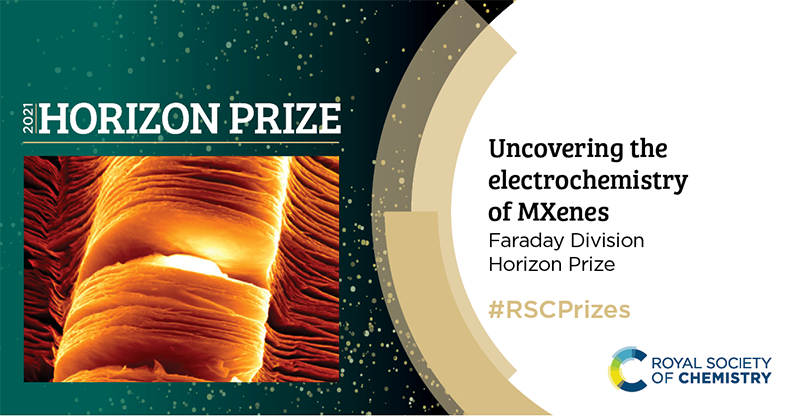
Electrochemistry Team Wins Royal Society of Chemistry's Prestigious New Horizon Prize
The prize-winning work is a partnership between researchers developing MXenes, led by Drexel Materials Distinguished University and Bach Professor Yury Gogotsi, and exploring their electrochemistry and energy storage applications, led by Patrice Simon at Paul Sabatier University.
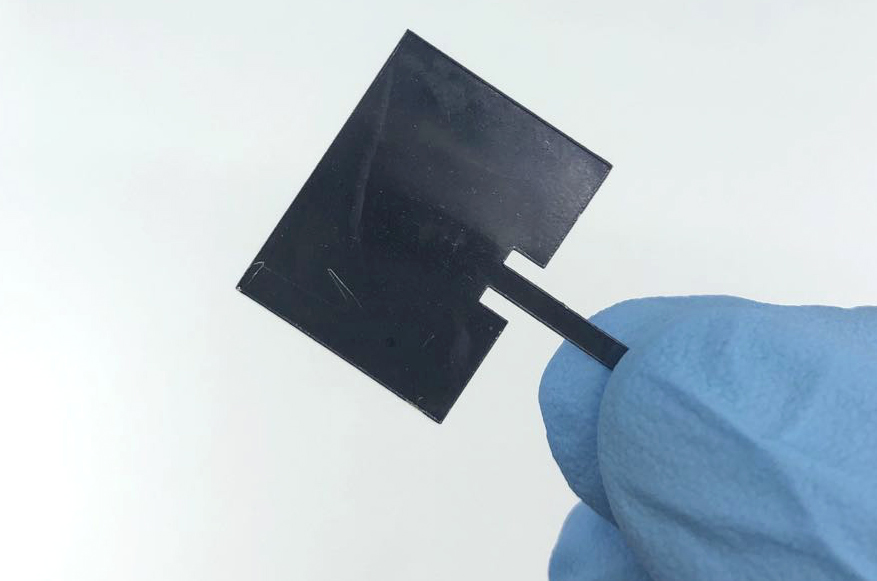
Ultrathin, Spray-Applied MXene Antennas Are Ready for 5G
New antennas so thin that they can be sprayed into place are also robust enough to provide a strong signal at bandwidths that will be used by fifth-generation (5G) mobile devices. Performance results for the antennas, which are made from a new type of two-dimensional material called MXene, were recently reported by researchers at Drexel University and could have ramifications for mobile, wearable and connected “internet of things” (IoT) technology.

Making More MXene
Researchers unveil a scalable production system for the promising 2D nanomaterials.

Engineering Faculty Among Most Highly Cited Scientists
Four CoE faculty members’ influence around the world is underscored through the Web of Science citations list.

MXene Materials Help Photodetectors See the Light
Using a special type of two-dimensional material, Drexel researchers have developed a new way to make light sensors that improves their sensitivity and could allow manufacturers to keep up with growing demand.
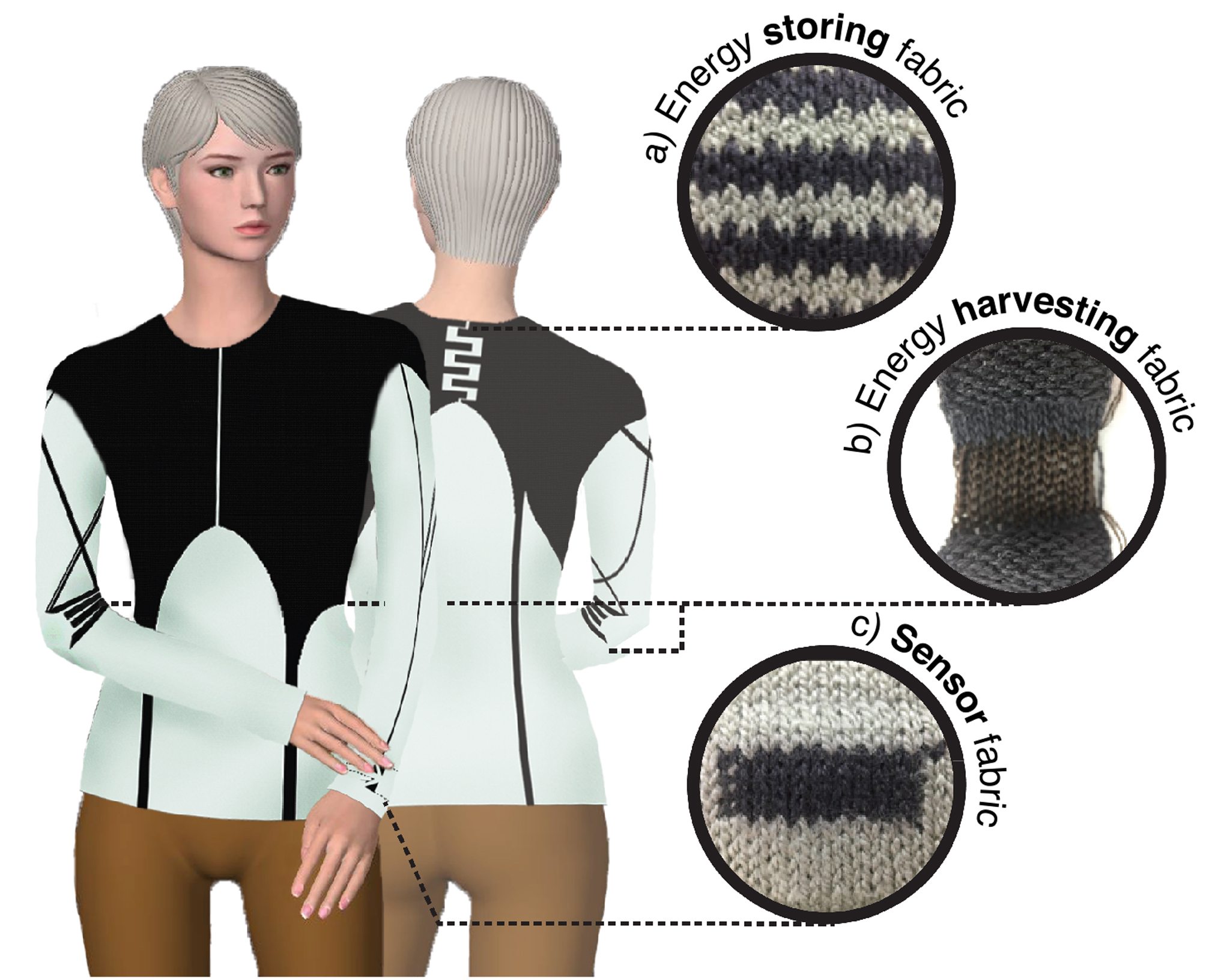
That New Yarn?! — Wearable, Washable Textile Devices Are Possible With MXene-Coated Yarns
In a paper recently published in the journal Advanced Functional Materials, researchers showed that they can create a highly conductive, durable yarn by coating standard cellulose-based yarns with a type of conductive two-dimensional material called MXene.
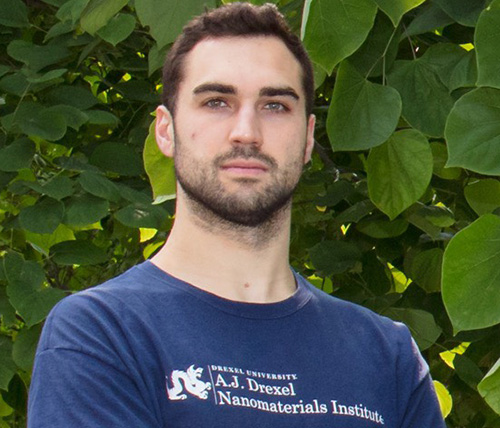
Tyler Mathis Receives DOE Office of Science Graduate Student Research Award
PhD candidate Tyler Matthis (advisor: Yury Gogotsi) has received a U.S. Department of Energy Office of Science Graduate Student Research award to conduct research at the Oak Ridge National Laboratory.

Barsoum, Gogotsi Win Prestigious Ceramics Prize for MAX Phases
Professors Michel Barsoum and Yury Gogotsi of the Department of Materials Science and Engineering have been jointly awarded the 2020 International Ceramics Prize, the highest honor conferred by the World Academy of Ceramics.
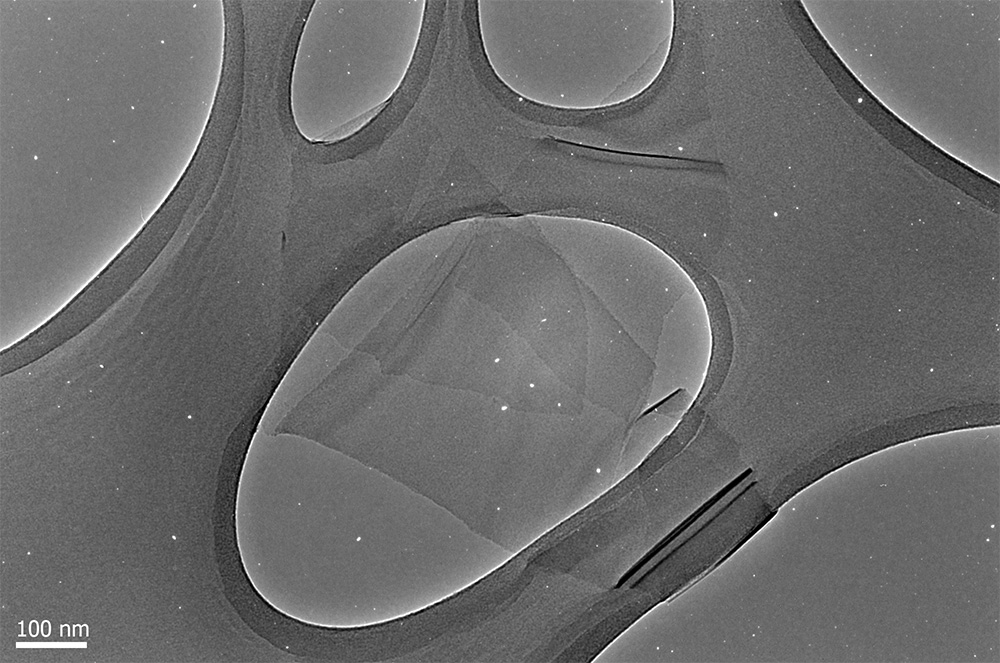
A Dash of Salt Could Fortify MXene “Super Materials” Against Oxidation
Researchers have removed one of the final barriers blocking new two-dimensional “super materials,” called MXenes, from widespread use.
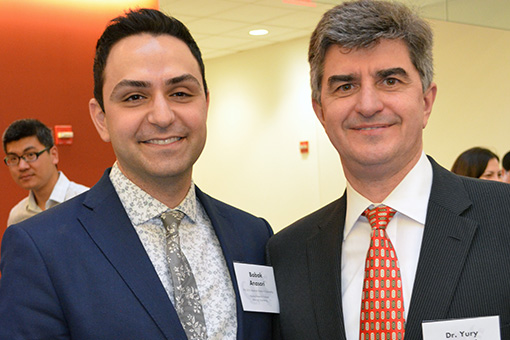
Gogotsi Co-Edits The First Book On MXenes
Gogotsi and Anasori recruited a team of experts and co-edited the first book on MXenes since the material discovery eight years ago.
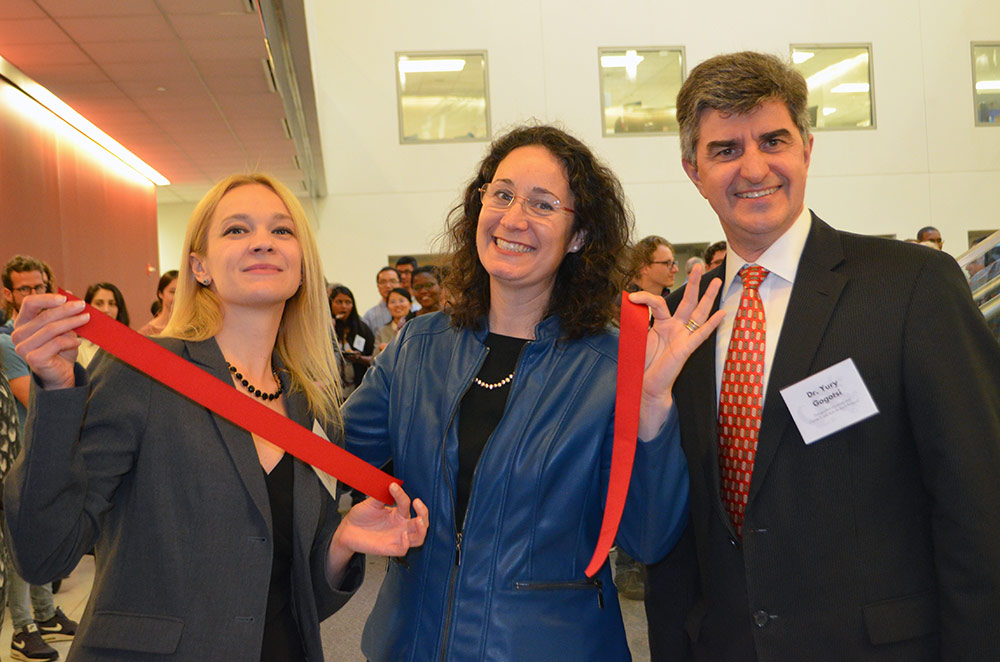
Nanomaterials Institute Has a Shiny New Home
The new home of the A.J. Drexel Nanomaterials Institute will provide a world-class research and collaborative partnerships base for work on novel materials.

PhD Candidate Simge Uzun Develops Conductive Yarns for Smart Textiles
Doctoral candidate Uzun demonstrates that MXenes can be knitted into yarns, washed, scaled, and processed for manufacturing smart textiles.
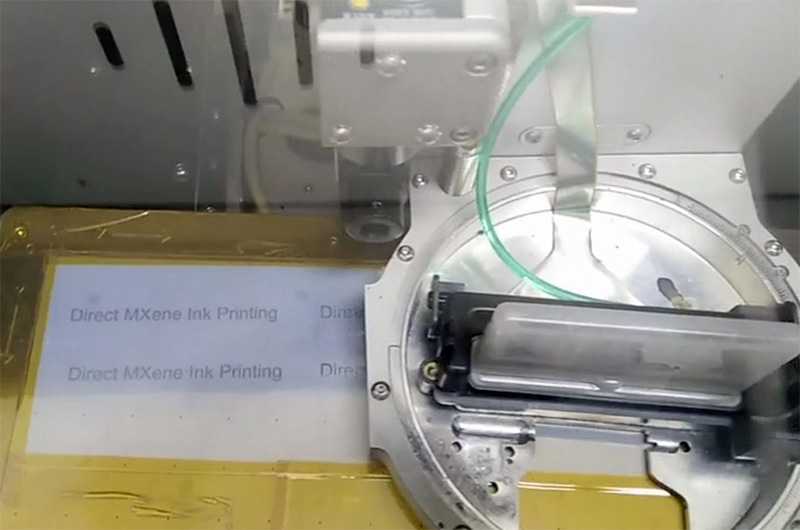
Need More Energy Storage? Just Hit “Print”
Drexel researchers have developed a conductive ink made from a special type of material they discovered, called MXene, that was used by Trinity College researchers to print components for electronic devices.
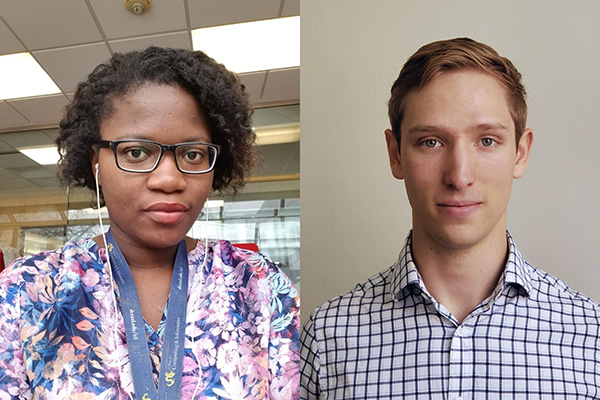
Two Drexel Materials Students Accepted to MESC+ Master’s Program
Drexel Materials seniors Luisa Gomes and Carter Henderson have been accepted into the Materials for Energy Storage and Conversion+ (MESC+) joint master’s degree program

Gogotsi Elected Fellow of European Academy of Sciences
Distinguished University and Charles T. and Ruth M. Bach Professor Yury Gogotsi has been elected as Fellow of the European Academy of Sciences (EurASc).

Desalination Research Takes the Fore in Pomerantseva Lab
Desalination research at CoE thrives on a new materials “recipe” and electrochemistry to remove sodium ions from salt or brackish water.
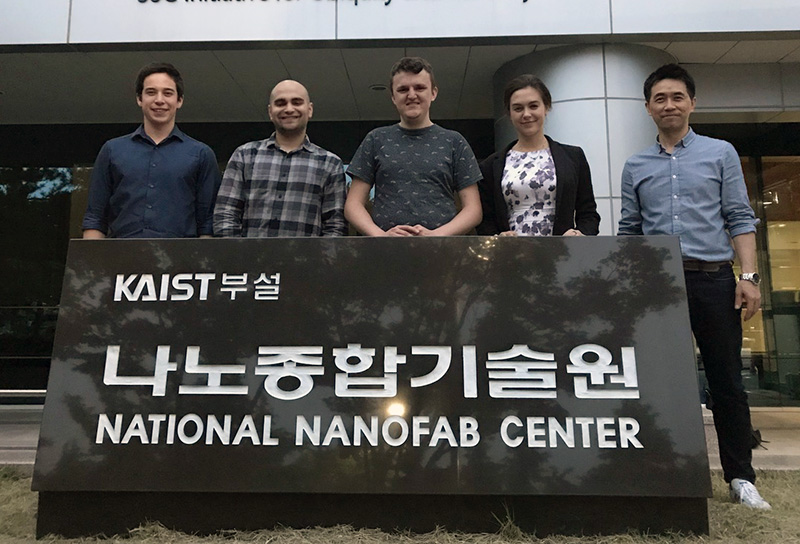
A Day in the Life of a Co-op
Spotlighting two College of Engineering undergraduates whose co-ops this past summer took them to South Korea for nanomaterials research.
Kopicko Receives Drexel 2018 President's Award
Danielle Kopicko receives 2018 President’s Award for Excellence for Professional Staff, the highest distinction given to a staff member at Drexel University.

Standing in for a Kidney, MXene Materials Could Give Dialysis Patients the Freedom to Move
A type of two-dimensional layered material, created at Drexel University, has emerged as a candidate to assist in replacing the body’s waste filtration system in wearable kidneys.
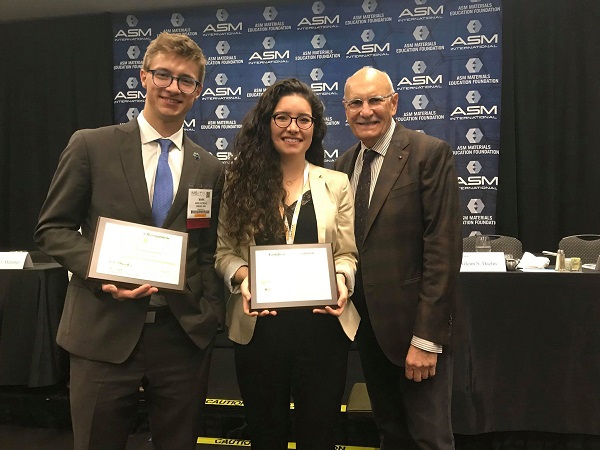
Drexel Materials Students Receive Materials Professional Society Awards
Drexel Materials students have received scholarships and awards from materials professional organizations.

Gogotsi Receives Chinese Friendship Award
Yury Gogotsi was a 2018 recipient of the Chinese Government Friendship Award, presented at a ceremony at the Great Hall of the People in Beijing.
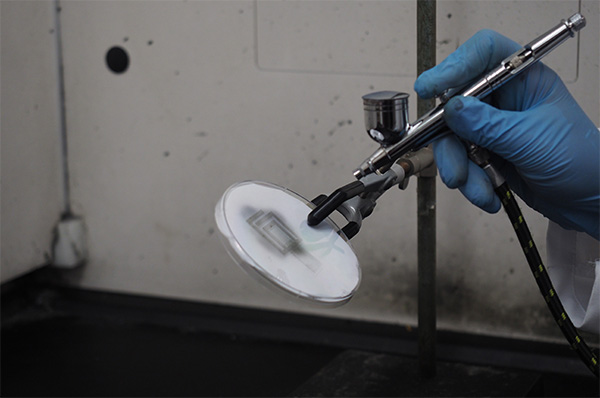
Spray-On Antennas Could Be the Tech Connector of the Future
A group of researchers from the College of Engineering recently reported a method for spraying invisibly thin antennas made from a type of two-dimensional, metallic material called MXene.

Gogotsi Honored As a Citation Laureate
Yury Gogotsi has been named a Citation Laureate by Clarivate Analytics for his groundbreaking research advancing the development of carbon-based materials and their applications in capacitive energy storage.
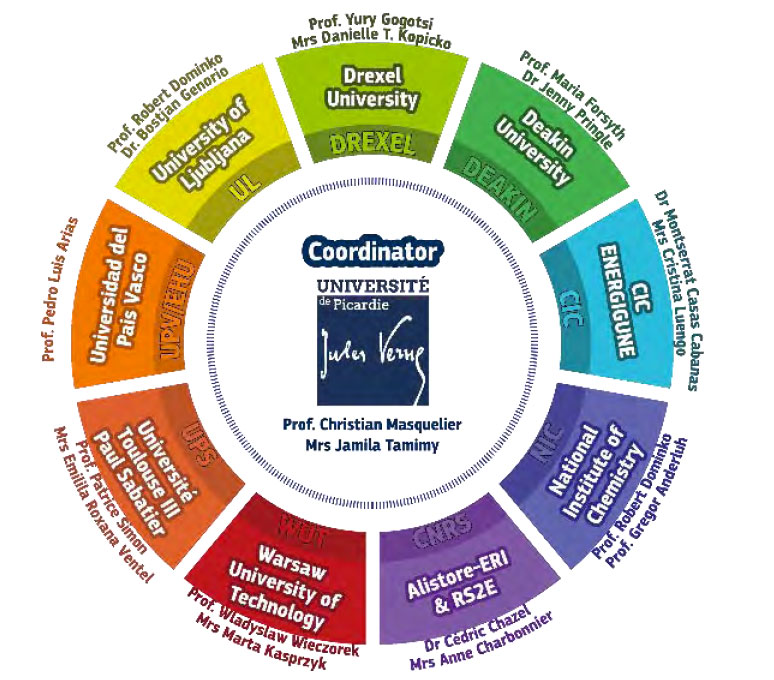
Drexel Re-Joins Int’l Consortium Providing Fully Funded MS In Energy
The European Commission has awarded Drexel a new associate partnership in a global consortium of universities offering graduate students a fully funded Master's in Materials for Energy Storage and Conversion (MESC).
Gogotsi Receives Highest H-Index Value Recorded in College Of Engineering
Materials Professor Yury Gogotsi has received an h-index value of 100 from Google Scholar and other citation databases, the highest ever received by a professor within the College of Engineering.

BS Alumna Prineha Narang named to MIT Technology Review's 2018 35 Innovators Under 35
Alumna Prineha Narang (BS, '11) has been named as an MIT Technology Review 2018 35 Innovator Under 35.