January 29, 2026
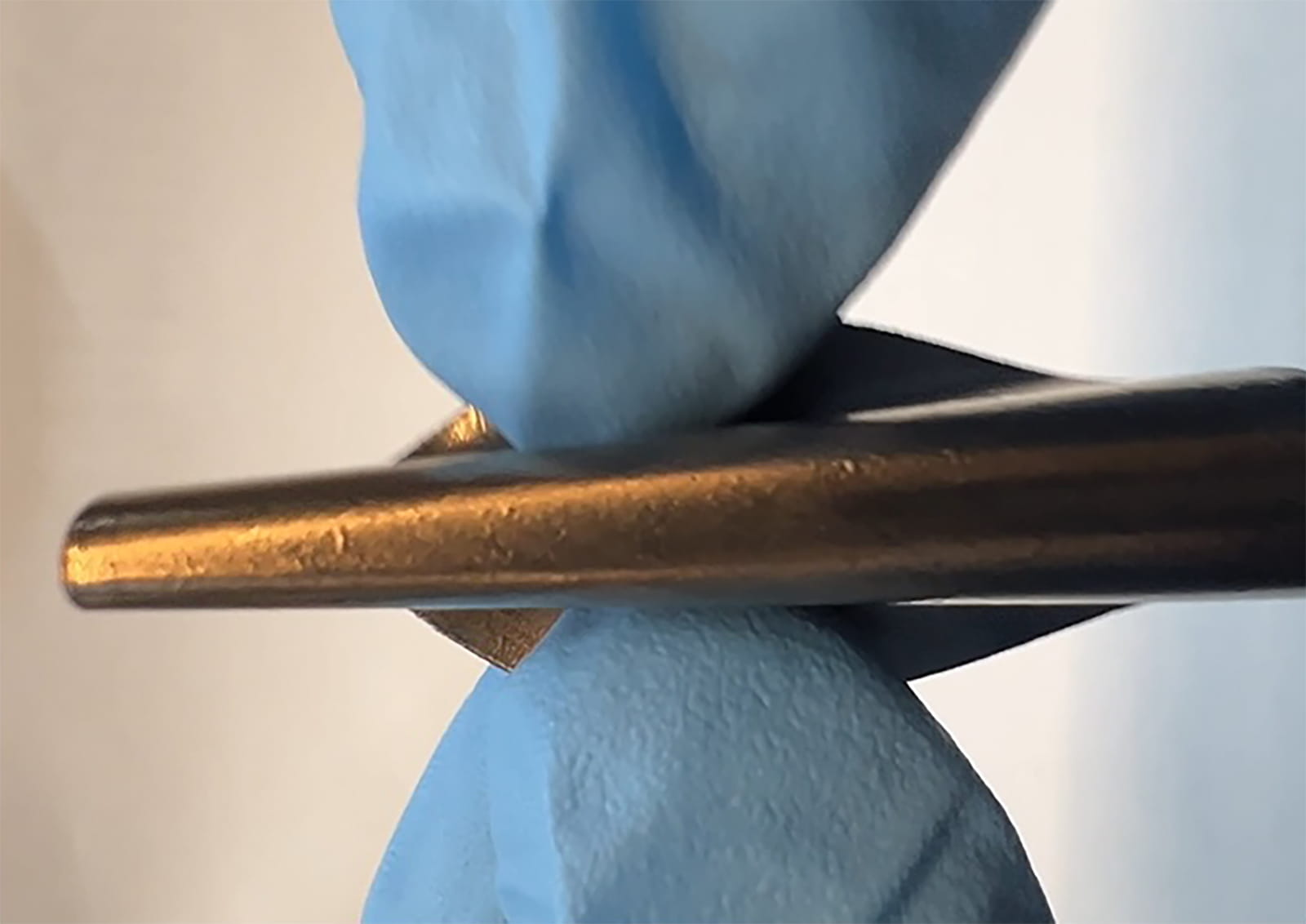
Researchers from Drexel University who discovered a versatile type of two-dimensional conductive nanomaterial, called a MXene, nearly a decade and a half ago, have now reported on a process for producing its one-dimensional cousin: the MXene nanoscroll. The group posits that these materials, which are 100 times thinner than human hair yet more conductive than their two-dimensional counterparts, could be used to improve the performance of energy storage devices, biosensors and wearable technology.
Read More

January 29, 2026
Upon the 20th anniversary of his second, and last, Olympics, College of Engineering associate professor Prawat Nagvajara, PhD, is still modest about his accomplishments as a cross-country skier and historic team of one.
Read More

January 26, 2026
A new technique combining fluorescent microscopy and machine learning can forecast lithium-ion battery capacity before cells are assembled, potentially transforming manufacturing quality control and reducing costly scrap rates in electric vehicle production.
Read More

January 21, 2026
Civil engineering seemed like the right path until Mika Rappaport's first co-op opened her eyes to broader possibilities. Her second placement at Boeing revealed an aerospace calling she never expected.
Read More

January 16, 2026
Watching infrastructure rise at a Zimbabwe power station changed everything for Martin Simarase Chiworeke. His graduate co-op at The Ballinger Company brings that transformative moment full circle through hands-on practice.
Read More
January 14, 2026
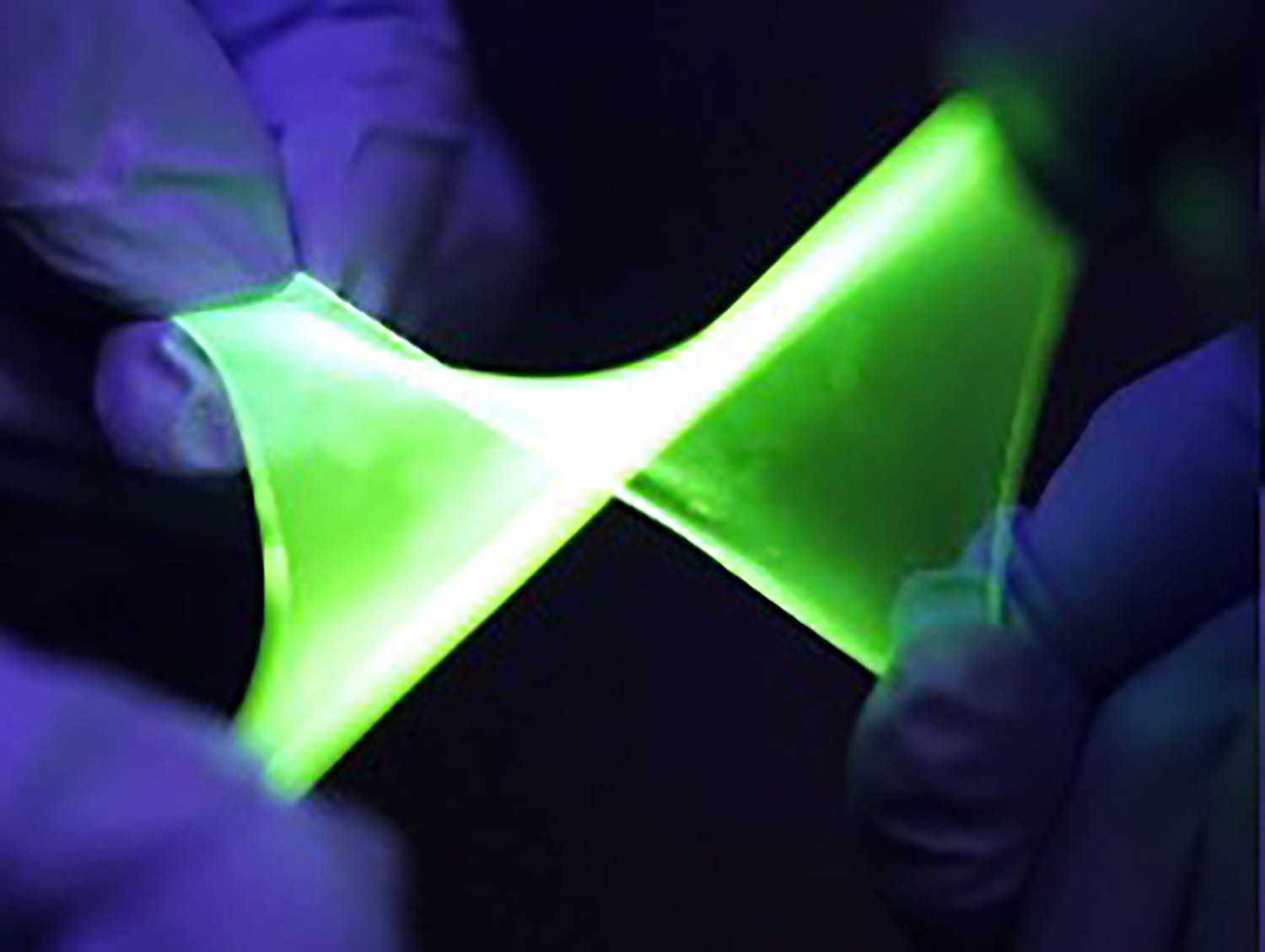
The organic light-emitting diode (OLED) technology behind flexible cell phones, curved monitors, and televisions could one day be used to make on-skin sensors that show changes in temperature, blood flow, and pressure in real time. An international collaboration, led by researchers from Seoul National University in the Republic of Korea and Drexel University, has developed a flexible and stretchable OLED that could put the technology on track for this use and a range of new applications.
Read More
January 08, 2026
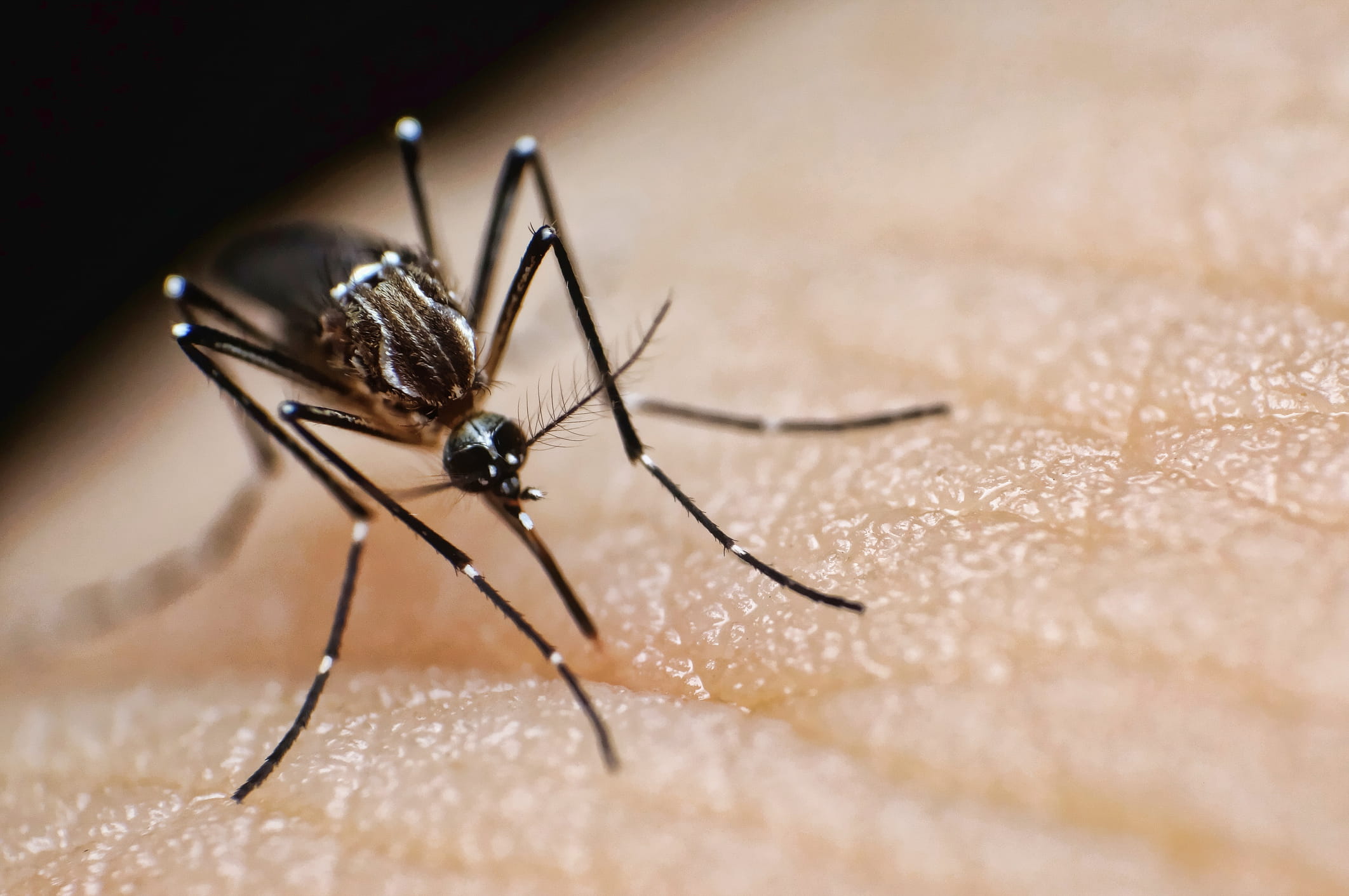
In a redeeming development for one of nature’s most universally denounced pests, researchers from McGill and Drexel Universities have discovered that mosquito stingers might one day be used for high-definition 3D bioprinting. Reported in the journal Science Advances, the findings demonstrated how the needle-like structure, called a proboscis, that mosquitoes use to extract blood, when repurposed as a tip for a 3D printer, can extrude lines finer than a human hair — surpassing commercially available 3D printing tips.
Read More

January 07, 2026
Like many other Drexel students, Sophie Rutan’s final co-op is an amalgamation of all her previous coursework
Read More

January 06, 2026
The team built a validated digital model that predicts how their flipper-powered robotic sea lion swims, offering engineers a powerful new framework for designing articulated underwater vehicles.
Read More